I’ve been thinking about Claude Cahun, Sherry Wiggins and LuÍs Branco, 2025.
Introduction
French artist, photographer and writer Claude Cahun (1894-1954) and her partner in art and life, artist Marcel Moore (1892 -1972), have been on my mind (and part of my art practice) for several years. Luís Branco and I shot the image above, as part of the series I’ve been thinking about Claude Cahun, while working at La Napoule Art Foundation on the French Riviera. I am thinking (again) about Claude Cahun and Marcel Moore as I prepare to make a pilgrimage to Jersey Island this February.
Claude Cahun (born Lucy Renée Mathilde Schwob) and Marcel Moore (born Suzanne Alberte Malherbe) lived out the last years of their lives on the island of Jersey, the largest of the Channel Islands, located in the English Channel between England and France. They moved from Paris to Jersey permanently in 1937. The Germans occupied Jersey (and the other Channel Islands) beginning in 1940; Cahun and Moore lived under German occupation from 1940 to 1945. During this period, Cahun and Moore undertook a valiant and creative campaign of resistance to the Nazis, the war and the occupation of Jersey. Four years into the occupation, they were discovered and arrested; they were jailed, tried and sentenced to death. Fortunately, the war ended, and the island was liberated before they were killed. They were released on May 8, 1945.
Jersey Heritage, an organization that protects the island’s culture and heritage, artifacts and archives, houses the largest collection of Cahun and Moore’s artworks, writings, and photographic works. Jersey Heritage also holds their letters and the records of their anti-Nazi, anti-fascist activities. https://www.jerseyheritage.org/history/claude-cahun-and-jersey/
St. Brelade’s Parish Church cemetery, beside the house where Cahun and Moore lived, is their burial ground. In my ongoing homage to and obsession with Cahun and Moore, I am making the trip to Jersey to explore the island where they lived and to make new photographs with my creative partner, photographer Luís Branco.
I will use feminine pronouns for Claude Cahun and Marcel Moore throughout this blog post. The gender-neutral pronouns we utilize today were not in use during their lifetimes. I will also stick, primarily, to the pseudonyms Claude Cahun and Marcel Moore that Lucy Schwob and Suzanne Malherbe adopted early in their lives.
In February of 2025, as artists in residence at La Napoule Art Foundation in France, Luís Branco and I created many new works in direct conversation with Cahun and Moore’s photographic works. These performative photographs reference works that Cahun and Moore made in the 1920s in Paris. Our combined images (both theirs and ours) are theatrical, sometimes campy, serious but not self-serious. I cut my hair short and acted out my more butch and thespian self. You can see many of these works on my website: https://www.sherrywiggins.com/work/m-in-training-with-claude-cahun
I shaved my head in an act of solidarity with Cahun. Cahun and Moore’s photographic portraits from roughly 100 years ago have been an inspiration for me and for many others. Cahun’s radical resistance to gender identification as either male or female, her fearless portrayal of the fluidity and theatricality of identity is so relevant today.
On a personal level, Cahun’s work has been a provocation to examine my own cisgender female identity. The haircut was liberating for me: through it I realized that I identify (in current terminology) as a straight femme living in a queer world.
Que me veux tu?, Claude Cahun and Marcel Moore, 1929.
What do you want from me?, Wiggins and Branco, 2025.
A transmutation occurs in me (a reconfiguring of my own identity) in the act of reinterpreting and re-representing Cahun in photographs. This uneasy but welcome metamorphosis / transfiguration of self that I have established with Cahun has continued to be a catalyst for my work.
Jersey before the War
Cahun and Moore vacationed on Jersey during the years before 1937. In contrast to the theatricality and sophistication of the images they made in Paris, the images they made on Jersey communicate a profound connection to the elements and the natural surroundings of Jersey. We see Cahun occupying liminal spaces, between earth and water, body and environment, self and nature.
In the first image below, Cahun’s figure is doubled and reversed and swathed in gauzy fabric in waters that border a rocky ground. The profile of Cahun’s golden head is doubled and opposed as her face merges and emerges within the terrestrial surface she faces in the second image. Cahun’s figure is barely visible within the rippled waters in the image En Océanie. In these photographs, Cahun and Moore mirror, double, reverse, mask and reflect concepts of self and identity within the natural surroundings of Jersey. I love these images; they align with many of the photographs that Luís and I have made on land and waterscapes over the last several years.
Untitled (Double Body), Claude Cahun and Marcel Moore, 1928.
Untitled (Double Face), Claude Cahun and Marcel Moore, 1928.
En Océanie, Claude Cahun and Marcel Moore, 1932.
I have recently discovered the work of feminist scholar Amelia Groom. Groom was in Jersey doing research on Cahun and Moore and wrote this:
Something I didn’t understand until I travelled here (Jersey) is that the Channel Islands sit in waters with an extremely dramatic tidal range—one of the most extreme in the world. The island of Jersey is said to double in size at low tide. I suppose you could also say that it halves in size at high tide. Or you could say, more accurately, that it has no fixed size or shape. Like Claude Cahun, this land mass is a continual shapeshifter, always spilling out from itself, and pulling veils up over itself, and calling its own edges into question.
Amelia Groom, In the ARMS of the SEA: CLAUDE CAHUN and MARCEL MOORE at the WATER’S EDGE, 2024.
An essential part of my art practice and process has been to study and research Cahun and Moore’s lives and works in books, catalogues and academic essays.
My Cahun/Moore library
I have been rereading Jennifer L. Shaw’s extensive (and fabulous) 2017 biography, Exist Otherwise: The Life and Works of Claude Cahun, focusing specifically on the chapter titled Spiritual Arms Instead of Firearms: Cahun and Moore on the Isle of Jersey, which describes Cahun and Moore’s lives on Jersey from the late 1930s onward. Around 1936, Cahun started talking about leaving Paris permanently. Her health was fragile and she was, of course, well aware of rising anti-Semitism in France (Cahun’s father was Jewish) and the onslaught of fascism in Germany and beyond. Here Shaw describes Cahun’s thinking during this time:
She began to talk about a ‘physical and primordial need to live in the countryside’, and wanted to leave Paris. It was as if she felt her work there was done. Their ties to the city were finally torn asunder when Moore’s mother (Cahun’s stepmother) finally passed away. In a letter of 1951, Cahun explained that she felt ‘an extreme malaise, the premonition of danger’ at the end of 1936.
Shaw quotes Cahun:
The idea formed in my head, as soon as the death of my stepmother cut the last family tie. We had friends . . . a stable, comfortable, happy life. Suzanne didn’t want to leave: she didn’t like moving and thought that life in the countryside wouldn’t suit me as well as I imagined. . . . I proposed Jersey, knowing full well that I wouldn’t be able to drag her any further.
Claude Cahun in François Leperlier, Claude Cahun: L’Exotisme Intérier (Paris, 2006), pp. 377-80, in Jennifer L. Shaw’s Exist Otherwise, pp. 199 -200.
In 1937, Cahun and Moore moved to Jersey permanently, leaving their high-profile lives in Paris. They reclaimed their given names, Lucy Schwob and Suzanne Malherbe. (I will continue to use the names Claude Cahun and Marcel Moore throughout this blog for consistency). The fact that they were stepsisters also gave them a ‘cover’ in this more provincial setting. With the death of Marcel’s mother, the Malherbe-Schwob family estate was settled, and they inherited enough money to buy a beautiful (and quite large) stone farmhouse, La Rocquaise, located right on St. Brelade’s Bay.
La Rocquaise, the home of Marcel Moore and Claude Cahun, c. 1938.
During these years prior to the German occupation in 1940, Claude and Marcel enjoyed the ocean, their garden and their lovely house full of artworks, books and family furniture. Several friends came from Paris to stay with them. However, as far as the local population was concerned, Cahun and Moore kept mostly to themselves. The islanders saw the ‘sisters’ as eccentric and bourgeois middle-aged women, who walked their cat, Kid, on a leash and sunbathed naked in their garden.
Cahun later wrote:
The illusion of holiday without end, a garden already in flower. It seemed that the only thing left to do was to become familiar with the trees, the birds, the doors, the windows and pulling from the clothing trunk the appropriate article, short or long, to dive into the sun and the sea.
Claude Cahun, ‘Letter à Gastone Ferdière,’ in Écrits, p. 665, in Jennifer L. Shaw’s Exist Otherwise, p. 203.
Untitled, Claude Cahun and Marcel Moore, 1939.
Cahun is doubled and reversed (again) on the horizon in the image above taken near La Rocquaise. They continued their photographic practice. Below are a few of my favorites from this period:
Untitled (Framed Face), Claude Cahun and Marcel Moore, 1938.
Untitled (Lying in the Garden), Claude Cahun and Marcel Moore, 1939.
Untitled (the Window), Claude Cahun and Marcel Moore, 1938.
Within this seemingly idyllic life on Jersey, Cahun and Moore were well aware of Hitler’s relentless march across Europe. You can read about Cahun and Moore’s life during WWII and after the war in Part Two: Pilgrimage to Jersey (and to Claude Cahun and Marcel Moore) – Occupation and Resistance, Arrest and Jail, After the War in my blog post:
In June of 1940, as German forces advanced through France and the rest of Europe, the British government deemed the Channel Islands indefensible. Consequently, they withdrew all military forces from the islands and disbanded the Royal Militias of Jersey, Guernsey, Alderney and Sark. The British hastily organized evacuations for the citizens of the islands. The evacuations prioritized women and children. Somewhere between 25,000 and 30,000 people were evacuated. About one fifth of the population of Jersey was evacuated, roughly 6,500 citizens. Claude and Marcel decided to stay on Jersey.
On June 28, 1940, the Germans bombed St. Helier Harbor and La Roque Harbor on Jersey and St. Peter Port on Guernsey. The Germans began their occupation of Jersey, Guernsey, Alderney and Sark on June 30 and stayed until liberation in May of 1945.
Occupation and Resistance
German soldiers on the beach from the window of La Rocquaise (with Kid the cat), Claude Cahun and Marcel Moore, 1940.
Claude was forty-five and Marcel was forty-seven when the German occupation began in Jersey. Their intent had been to retire to a quiet life on the island. However, with the German military literally at their front and back doors, they could not give up their ideals, sense of justice and humanity and their anti-fascist, anti-Nazi beliefs. Together, they undertook a unique campaign of resistance.
I have been rereading Claire Follain’s well-researched and excellent essay “Lucy Schwob and Suzanne Malherbe: Résistantes” in don’t kiss me: the art of Claude Cahun & Marcel Moore, a major catalogue produced by the Jersey Heritage Trust.
Follain describes some of Cahun and Marcel’s methodologies and their manufacture of anti-Nazi propaganda:
Malherbe utilized her fluency in German language to translate news taken from BBC radio broadcasts. Schwob converted the news to rhyme, conversation or other literary formats. These words were typed or handwritten onto one sheet of paper of approximately A5 or smaller. Over time, the tracts evolved in their style and presentation. Schwob used different colored inks and/or paper when it was available. Malherbe used her graphic art skills to add illustrations to Schwob’s words. Above all the format was altered to maintain interest. Schwob and Malherbe referred to these tracts as ‘unsere Zeitung’ (our newspaper). The intended implication was that these notes were written by an anti-Nazi German officer from within the occupying force. The notes showed evidence of education and were signed ‘der Soldat ohne Namen’ (‘the Soldier with no Name’). The style of language and occasional grammatical error over the years eventually gave the reader the clue (as it did the Geheime Feldpolizei, the Secret Field Police) that the authors were not native German speakers.
Claire Follain in “Lucy Schwob and Suzanne Malherbe: Résistantes,” pp. 84-85, in don’t kiss me: the art of Claude Cahun & Marcel Moore.
Propaganda tract and drawing, Claude Cahun and Marcel Moore, 1942.
English translation of the German text on the drawing:
I believe in the end the waves Devoured both sailor and boat And that was brought about By Adolf Hitler with his screaming
Most of these tracts and drawings were destroyed by the Germans. The Jersey archive holds some fifty of them. Cahun later recounted that she and Moore had made thousands of these messages over the four-year period, including carbon copies they could produce by the dozen.
Propaganda tract, Claude Cahun and Marcel Moore.
English translation of the German text on the tract:
Hitler leads us …
Goebbels speaks for us …
Göring eats for us …
Ley drinks for us …
Himmler? Himmler murders for us …
But nobody dies for us!
Cahun and Moore were surrounded by the German military. Their home was in view of the St. Brelade’s Bay Hotel, which was requisitioned by the Germans for use as a barracks and recreation center for German soldiers. German soldiers were frequently buried in the cemetery on the other side of La Rocquaise. In front of their home, along St. Brelade’s Bay, the Germans used the forced labor of POWs imported from the continent to build heavy fortifications as part of Hitler’s infamous Atlantic Wall.
Claude and Marcel assembled their DIY anti-Nazi propaganda materials in the dead of night in their upstairs bedrooms. They hid their (illegal) radio, their typewriter and all their writing materials in various locked cabinets upstairs. Even their housekeeper, Edna, was unaware of their activities. Cahun and Moore developed various strategies for distribution of their messages, meant for the German soldiers. They would take the bus into St. Helier, armed with shopping bags and ‘disguised’ as the two middle-aged ladies they were. They would place their anti-Nazi propaganda in cafés, on car windshields, and even in soldiers’ pockets. In newsstands and shops, they inserted their leaflets and messages in German magazines and newspapers. As the occupation wore on and tobacco was in short supply, they tucked messages in empty cigarette packets. The tracts often contained the phrase ‘Bitte verbreite,’ meaning ‘Please spread the word.’
Cahun later recounted:
We could not have been less remarkable: no hats; old beige walking shorts called jodhpurs, on the feet rubber boots called Wellingtons; a blouse of cotton or wool shirt, depending on the temperature, a semi-masculine jacket. When out walking or in town, a raincoat on top (a Burberry, thus a large number of pockets for our tracts); a scarf wrapped around the head . . . wool gloves in winter— and the shopping bag (as an alibi). We were peasants—and also daughters and wives of the bourgeoisie of the gentleman farmer type . . . my appearance and Suzanne’s differed little from the look of the majority of inhabitants of the island.
Claude Cahun, ‘Le Muet dans la melée,’ in Écrits, p. 627, in Jennifer L. Shaw’s Exist Otherwise, p. 212.
Cahun and Moore also took advantage of the fact that the cemetery was located beside their home. During the funerals for German soldiers, they would place their messages in German staff cars parked near their house. When Oberleutnant Zepernick was buried in 1943, Lucy and Suzanne waited for nightfall and placed a homemade cross on his grave with the words ‘Für sie ist der Kreig zu Ende,’ or ‘For him the War is Over,’ inscribed in Gothic lettering.
‘Für sie ist der Kreig zu Ende’ design, Claude Cahun and Marcel Moore, 1943.
Their messages took different forms. I particularly like the design of the typewritten tract below which begins with ‘Gewissensruhige Freiheit,’ or ‘Freedom with a Clear Conscience,’ followed by, “The Soldier Without a Name” works to bring this long-buried treasure to light in a calm and carefree manner, striving to understand and reduce the differences that exist between people.’ And goes on to say, ‘Our revolution should be undertaken by everyone not just one person.’
Tract, Claude Cahun and Marcel Moore, 1944.
Cahun and Moore’s messages and interventions were intended as incitements for the German soldiers, encouraging them to contemplate their part in an unjust war. The signature ‘der Soldat ohne Namen’ (The Soldier Without a Name) was not just a signature, for Cahun believed that she must take on the persona and thoughts of a German soldier who was resisting the war and occupation from within the ranks of the German military. After the war and occupation ended, Moore photographed Cahun as The Soldier Without a Name.
Cahun as The Soldier Without a Name, Claude Cahun and Marcel Moore, 1947.
In Exist Otherwise, Jennifer L. Shaw writes:
What I find most striking about Cahun and Moore’s resistance work is that it is so consistent with the ideas and strategies that Cahun had used all throughout her artistic and literary career. Cahun refused to take an ‘us’ versus ‘them’ approach. Rather than seeing all Germans as enemies, she imagined that each individual soldier had the potential to reconsider his actions. She even realized this conviction by inhabiting the position of the enemy in the form of the ‘Soldier Without a Name,’ and spoke from that position, encouraging others to lay down their arms and join the resistance. This strong belief in a person’s ability to challenge and analyze one’s own actions, combined with Cahun’s and Moore’s wit and poetry, formed the basis of their activities. Like Cahun’s previous work, the guiding principles for these resistance activities were anti-hierarchical and anti-authoritarian, aimed at defying binary thinking. (pp. 249-250)
For four long years, Marcel and Claude carried out their extremely risky mission, wholeheartedly and with great conviction, under the severe conditions of the German occupation. They understood the danger into which they had placed themselves and assumed they would be caught at some point. They had pledged to each other to commit suicide when and if caught and had collected large amounts of barbiturates for this purpose. They feared death less than the punishment of deportation to the camps in Continental Europe.
Arrest and Jail
On June 6, 1944, or ‘D-Day,’ the main Allied Forces carried out the largest seaborn invasion in history, landing in Normandy. This attack, in combination with airborne operations, began the liberation of France and Western Europe from the German forces and laid the ground for the victory of the Allied Forces and Germany’s surrender on May 8, 1945.
German military morale on Jersey (and elsewhere) was necessarily at a low point in the summer of 1944. Cahun and Moore kept up their resistance activities. On July 25, 1944, Claude and Marcel had spent the day in St. Helier distributing their anti-war propaganda. They were at home that evening when five German secret police officers, members of the Geheime Feldpoizei (GFP), came to search their house. The GFP officers found the (illegal) radio and the portable typewriter used to create the tracts, as well as some of the materials Cahun and Moore had been distributing earlier that day. Cahun and Moore were arrested and taken to Gloucester Street Prison in St. Helier. They managed to take the barbiturates they had stockpiled. They were both found unconscious in their cells and taken to the hospital. The dosage did not work.
Taken back to prison, Cahun and Moore endured more than nine months of incarceration in Gloucester Street Prison. They were kept in solitary confinement in separate cells. The conditions were difficult. Claude’s health, already fragile, suffered under these conditions. Marcel and Claude still feared the possibility of deportation to the camps more than they feared death by execution for their ‘crimes.’
Cahun and Moore were able to communicate with each other by passing notes through a secret system that the other prisoners had devised. The cells were divided by thick walls with ventilation tunnels connecting the cells. The prisoners were able to send notes through these tunnels attached to strings. This was a coordinated system, which shows the efforts and a certain amount of comradery amongst the inmates. Other materials were shared and passed around such as books, cigarettes and writing materials.
Sketch of the prison cell showing the ventilation ducts, Marcel Moore, 1944.
Cahun and Moore were interrogated by the GFP; they cooperated and provided details of their resistance activities and actions over the four years. As it turned out, the GFP had been collecting their tracts and resistance materials for a long time. However, the GFP did not think that these two middle-aged women were acting alone. The GFP were hoping that, through interrogation, they could identify the resistance organization or group behind these anti-Nazi tracts. Cahun later wrote:
In fact, the Gestapo searched in vain for four years. We had been able to avoid every search. It was so sudden. They would never have believed, despite their informers, that it had anything to do with us. Even with the proof in their hands, they couldn’t believe their eyes. They remained persuaded that we couldn’t have been anything more than accomplices . . . of X. In order to get them to stop interrogating us about our hypothetical affiliations with . . . X, or with the Intelligence Service (!!!), it was necessary to demonstrate to them that we were fully aware of and capable of our . . . ‘crimes.’
Cahun, ‘Le Muet dans la melée,’ p. 631, in Shaw’s Exist Otherwise, p. 226.
Cahun and Moore’s trial was on November 16, 1944. This was the first time that Cahun and Moore had been in the same room for any length of time since their capture in July. If nothing else, they were happy to be together in a warm room in comfortable chairs. The trial took five hours. There were three judges presiding, a prosecutor and a defense lawyer. The trial was conducted mostly in German. At one point Moore stated: ‘The defense is much more bitter against us than the prosecution.’
The GFP had found more incriminating materials at La Rocquaise to use for the trial. In addition to the radio and typewriter, they brought personal papers, anarchist pamphlets, anti-German books written by Cahun’s father and art works that Cahun and Moore had hidden. They also brought a revolver and camera equipment they had found.
During the trial, the court revealed excerpts from the tracts and works of resistance that the ‘Soldier Without a Name’ had produced and the GFP had collected (and which Cahun and Moore had already confessed to producing when interrogated).
After the trial, Cahun composed a testimony of what had taken place. Here she paraphrases what the judge, Oberst Samson, had stated at the trial:
You are francs-tireurs [partisans] … even though you used spiritual arms instead of firearms. It is indeed a more serious crime. With firearms, one knows at once what damage has been done, but with spiritual arms, one cannot tell how far-reaching it may be.
In Claire Follain’s “Lucy Schwob and Suzanne Malherbe: Réistantes,” p. 89, in don’t kiss me: the art of Claude Cahun & Marcel Moore.
Oberst Samson had inadvertently complimented Claude and Marcel by using the term ‘spiritual arms’ to describe their brave and thoughtful resistance activities.
Cahun and Moore were convicted of creating propaganda ‘undermining the morale of the German forces’ and sentenced to death. They refused to sign letters of appeal to reverse their execution order and were sent back to prison. From November 16, 1944 until February 20, 1945, Cahun and Moore lived (in prison) under the threat of their imminent execution (and continued to refuse to make an appeal to their sentence, perhaps still fearing deportation to a camp more than death).
On February 20, 1945 Cahun and Moore were informed that the German High Command had granted a reprieve to their stay of execution. The French consulate and the Jersey bailiff had made appeals on their behalf. From that day until their release on May 8, 1945, Claude and Marcel were reunited (they were overjoyed) and shared a cell in the prison. Once reunited Claude and Marcel shared the secret notes they had both created on whatever materials they could muster (toilet paper, book pages, etc.). They sewed these notes in the lining of a coat which a friend smuggled out of the prison. Cahun later used these notes for the letters and accounts she wrote later to document their lives during the occupation.
Untitled (Cahun biting down on a Luftwaffe insignia), Claude Cahun and Marcel Moore, May 1945.
The image above shows Claude Cahun in May of 1945, soon after her release from prison. With her unique sense of humor (and resistance), she bites down on a Luftwaffe insignia that one of the German prisoners had given her.
After the War
For Claude and Marcel, the return to a ‘normal life’ after the war was no small feat. During their incarceration, the Germans had pillaged their home completely, stripping it bare of all furniture and their artwork. The Germans also stole artworks Cahun and Moore had collected, household items, books, clothing, mementos, even locks, keys and electrical wire.
Following the liberation, Cahun and Moore spent months rebuilding their home. They also had to search across the island for belongings that had been taken or given away by the Nazis. The Germans had also burned many of their artworks and resistance works before liberation. They found their French Bible and Cahun’s complete edition of Shakespeare at the Metropole Hotel. They managed to find other valuables and books as well; apparently, their library had been bought by a bookseller and sold to individual buyers across the island. Gradually, they put their lives back together.
Cahun and Moore sunbathing,1945.
Cahun continued to be outspoken about the war and the occupation and felt isolated and alienated from the islanders who had, albeit passively, aided and abetted the Nazis. Cahun worked on several written works (long letters, a memoir, prose) in the late forties and early fifties that recounted her and Moore’s experiences and their resistance during the occupation and their time in jail. She started the memoir titled Le Muet dans la melée,The Mute in the melée,based on her prison notes. She also worked on a text Confidences au Miroir, Confessions at the Mirror, comprised of poetic musings and autobiographical materials.
Cahun’s health had suffered during her imprisonment, and it did not improve afterward. Still, Claude and Marcel managed to create an enjoyable life on the island. They reinitiated their photographic practice together in and around their home. Cahun was again the main subject.
Untitled (Cahun as The Soldier Without a Name), Claude Cahun and Marcel Moore, 1947.
Untitled (Cahun walking the cat), Claude Cahun and Marcel Moore, 1948
Untitled (Cahun in the cemetery), Claude Cahun and Marcel Moore, 1947.
These images, taken during the last period of Cahun’s life, are telling for me. As an older artist, I relate to these images of Cahun. I haven’t suffered war and occupation as Cahun and Moore did, or fragile health as Cahun did. Yet, still, I relate to their often-tender observances of a life/lives (well lived) that happen with age: their joys, tragedies and triumphs. Cahun reappears as the Soldier Without a Name, smoking and grinning sardonically. Cahun walks their new cat, Nike, on a leash barefoot and blindfolded.She holds a blank mask up to her ghostlike figure in the cemetery. All these images feature the cometary as a backdrop (is this again a lingering symbolist strategy?).
I love this series of images below, depicting Cahun walking along the sea wall with St. Brelade’s Bay in the background. She appears almost floating, free, unencumbered. Perhaps an elderly angel?
Untitled (Claude walking along the sea wall), Claude Cahun and Marcel Moore, 1947.
Untitled (Claude walking along the sea wall), Claude Cahun and Marcel Moore, 1947.
Still, Marcel and Claude kept thinking of Paris, their old friends and a chance for a more stimulating cultural life than the island afforded. In 1953, they traveled to Paris with the intention of reestablishing a life there. They stayed in their old neighborhood and met with old friends. Cahun became ill in Paris, so they had to give up these plans and return to Jersey. In the fall of 1954, Cahun’s health declined further and she was taken to the hospital in St. Helier. She died there on December 8, 1954. Claude was sixty years old. Marcel buried her in the cemetery on St. Brelade’s Bay. Moore later sold ‘the Farm without a Name’ and moved to another house on Jersey. Marcel died by suicide in 1972. She was eighty years old. Marcel is buried beside Claude. Suzanne and Lucy lie in rest together on St. Brelade’s Bay.
Gravestone at St. Brelade’s Parish Church Cometary
There is so much more to Claude and Marcel’s story, and to the details of how their lives and works have been recovered, rediscovered, collected, interpreted and represented.
Wish me luck on my pilgrimage to Jersey. I leave on February 2nd.
As a postscript, I would like to say that the images on these blog posts have been scanned from the various books I have collected about Cahun and Moore. The Jersey Heritage holds many of these images in their archive. I hope to gain permission to obtain high resolution digital copies of some of these images. I also recommend that interested readers get a copy of Jennifer L. Shaw’s biography Exist Otherwise: The Lives and Works of Claude Cahun. Unfortunately, the catalogue produced by the Jersey Heritage Trust, don’t kiss me: the art of Claude Cahun & Marcel Moore, edited by Louise Downie, is out of print. Gen Doy’s Claude Cahun: A Sensual Politics of Photography is also a fabulous resource.
“Don’t Kiss Me I,” Sherry Wiggins and Luís Branco, 2025.
In February, I enacted a performance and embodiment practice with early-twentieth-century French artist Claude Cahun. This practice resulted in a direct transmission from Claude to me through Luís Branco’s magic camera.
Luís and I shot hundreds of images on the French Riviera at La Napoule Art Foundation. In the studio and in and around the beautiful Chateau de la Napoule, we created a body of work in conversation with Claude Cahun and her lifelong photographic practice, much of which was produced with her partner in art and life, Marcel Moore.
Cahun (1894 – 1954), a surrealist intellectual, was a significant, multitalented artist. She was a performance artist, photographer, sculptor and writer. She was also a committed, even jailed, anti-Nazi activist. Cahun was gender ambiguous, a lesbian and a cross-dresser. (I use she/her pronouns for Cahun; the gender-neutral pronouns they/them, while perhaps more appropriate, were not in use during Cahun’s lifetime.) Cahun’s work, in both photography and writing, explores the many masks of selfhood. Cahun encourages us to examine the theater of identity, where we perform and inhabit roles that are imposed upon us as well as roles that we invent. Claude Cahun is my queer superheroine.
Untitled, Claude Cahun (with Marcel Moore), 1927.
The 1927 image of Cahun posing as a body builder (above) is one of my favorites in Cahun’s oeuvre. It plays on all sorts of tropes of identity and performance. The costume in the image is both masculine and feminine: the misplaced nipples and lips on the shirt, the delicate neck scarf and silk waist sash, the “I AM IN TRAINING DON’T KISS ME” message, the enormous dumbbell across her shoulders and the contrapposto stance that would never bear its weight. What is she in training for? The curlicue hair, the hearts on her cheeks and the dishtowels hung as a backdrop. It is all just plain funny and indicative of Cahun’s lifelong pursuit of “dressing up,” a pursuit she accomplished in her everyday life and in theater productions in Paris in the 1920s. For my enactments of this image, assemblage artist Jensina Endresen helped me create my own body-builder costume. My partner, Jamie, constructed the inflatable barbells that I brought with me to France. Et voilà!
“Don’t Kiss Me II,” Sherry Wiggins and Luís Branco, 2025.
“Don’t Kiss Me III,” Sherry Wiggins and Luís Branco, 2025.
On a more serious note…
Untitled, Claude Cahun (with Marcel Moore), 1928.
The photograph above, of Cahun standing beside a mirror, is eerily striking. The mirror doubles her image—the “real” Cahun gazes toward the camera and us, while the mirror image of Cahun looks into the mirror itself and beyond. Cahun’s gaze is deadpan, serious. Her hair is shorn, very butch or masculine—hommasse in French. The jacket and the gesture are also masculine. Cahun was always toying with ideas of self-reflection, self-questioning and gender ambiguity.
“Masculine? Feminine? It depends on the situation. Neuter is the onlygender that always suits me.”
– Claude Cahun, Disavowals, trans. Susan de Muth (Cambridge: MIT Press 2007), 151. Originally in Cahun’s Aveux non Avenus, 1930.
“I’ve been thinking about Claude Cahun I,” Sherry Wiggins and Luís Branco, 2025.
In our triptych “I’ve been thinking about Claude Cahun,” Luís and I did not attempt a direct copy of Cahun’s photograph. Instead of gazing sidelong, as Cahun does, I gaze directly into the mirror. The three photographs depict the process of me “performing” my more butch, more masculine self. I cut my hair short (then later cut it off entirely). In all three images, the water and horizon of the Mediterranean are visible through the windows. I donned a Cahun-inspired checked jacket and a mask. The costume and the setting allude to an art-deco-era past or early Hollywood. I will be showing this triptych in a group exhibition called “Queer Perspectives” at Michael Warren Contemporary in Denver opening July 31st and up through August 30, 2025.
“I’ve been thinking about Claude Cahun II,” Sherry Wiggins and Luís Branco, 2025.
“I’ve been thinking about Claude Cahun III,” Sherry Wiggins and Luís Branco, 2025.
“Que me veux tu?” Claude Cahun (with Marcel Moore), 1929.
The double-headed image of Claude Cahun (above) is one of Cahun’s few titled photographs. “Que me veux tu?”, or “What do you want from me?”, speaks to Cahun’s never-ending existential struggle with and questioning of identity in her life and art
I had my head shaved at the beauty shop in La Napoule. It was kind of liberating. Luís shot a whole series of double exposures of this new hairless and quite androgynous “double me,” creating our own version of “What do you want from me?”
What do you want from me?” Sherry Wiggins and Luís Branco, 2025.
Untitled, Claude Cahun (with Marcel Moore), 1920.
Marcel Moore must have taken this image (above) of Claude in her dandy and gentleman-like attire in the early 1920s in Paris. They were living a life that allowed Cahun to explore her gender ambiguity in full.
“Masked (after Claude Cahun),” Sherry Wiggins and Luís Branco, 2025.
As a Gentleman (after Claude Cahun), Sherry Wiggins and Luís Branco, 2025.
Gilded, Sherry Wiggins and Luís Branco, 2025.
I received a transmission from Claude Cahun during this intense period in France. This last image, which I call “Gilded,” is one of my favorites. This was taken during our last photoshoot at La Napoule. I had applied gold makeup to my face. Cahun’s golden light shines through me.
Claude Cahun Series (mask), black-and-white digital image, Sherry Wiggins and Luís Branco, 2022.
Luís Branco and I shot the above image in a strange and beautiful hotel in Amsterdam in 2022, referencing French artist Claude Cahun’s 1928 masked image below.
Untitled, black-and-white photograph, Claude Cahun (with Marcel Moore), 1928.
I love this image of Cahun, taken by her partner Marcel Moore. Cahun is masked and naked, her gender identity obscured and conflated by the covering of her breasts and her closely cropped hair. Cahun, born Lucy Mathilde Schwob, refused and resisted a prescribed female identity from a young age, as did Moore, who was born Suzanne Malherbe. Despite her gender nonconformity, I will not refer to Cahun (or Moore) as “they” or “them,” as these gender terms were not in use during their lifetime. Cahun had her own take on gender, saying,
“Shuffle the cards. Masculine? Feminine? It depends on the situation. Neuter is the only gender that always suits me.”
– Claude Cahun, Disavowels, trans. Susan de Muth (Cambridge: MIT Press, 2007), 151. From Claude Cahun’s Aveux non Avenus, 1930.
In early February, I will begin a residency at La Napoule Art Foundation in southern France with Luís Branco. There, we will make new performative photographs in direct conversation with Claude Cahun’s portraits and photographs. This residency will offer me further opportunity for some serious play with this complex artist (and lots of costumes and in France to boot!). We are excited to work in the historic Château de la Napoule and the gardens and grounds of the La Napoule Art Foundation on the Côte d’Azur. American sculptor Henry Clew and his wife Marie bought this historic property in 1918 and actively redesigned and restored the château and gardens in the 1920s and 30s. They welcomed other American expatriates and European aristocrats into their home for lavish parties and cultural events. This is the same period of time when Claude Cahun and her partner Marcel Moore were active in the vibrant cultural life of Paris. In 1951 Marie Clew established the property as the La Napoule Art Foundation. The foundation welcomes artists from around the world for artist residencies, exhibitions and other cultural events.
Claude Cahun (1894 – 1954) has been my main muse over the last several years. Cahun’s remarkable self-portraits, with Marcel Moore (1892 – 1972) behind the camera, confirm her courage in exploring the fluidity of identity and gender. These images reveal Cahun in flux—as masculine and feminine, masked and masquerading. The images depict Cahun as a body builder, a buddha, a dandy, a she-devil and in other guises and manifestations.
Cahun and Moore’s collection includes photographs in ordinary settings: in their hometown in Nantes France; in glimpses of their life together in Paris in the twenties; and on Jersey (one of the Channel Islands located between England and France) where they lived before, during and after World War II. Postwar photographs of Cahun demonstrate the toll the war, the occupation of Jersey and her time in jail took on her health. Cahun and Moore both served time for their anti-Nazi activities during World War II. Cahun died in Jersey in 1954. Moore died in 1972.
Cahun and Moore’s photographs have been widely published, exhibited and heralded over the last thirty years. However, it is interesting to me that for Claude and Marcel, this was a private photographic practice. They exhibited very few of their photographs, though they did create remarkable photomontages together with many of these images for Cahun’s seminal 1930s surrealist monograph Aveux non Avenues, which has been translated and published in English as Disavowals.
Untitled, black-and-white photograph, Claude Cahun (with Marcel Moore), 1914.
My Claude / My Medusa, color digital image, Sherry Wiggins and Luís Branco, 2019.
Luís Branco and I shot the above image in the Netherlands at Foundation OBRAS. We were referencing the above black-and-white portrait of Claude Cahun. Here, Cahun rests her head on a pillow, her hair billowing out around her face; she gazes, wide-eyed, directly toward the camera. The image was undoubtedly made in collaboration with Moore when Cahun was eighteen years old.
I was sixty-four when Luís and I reenacted this photograph more than 100 years later. As I lay on the pillow and performed for the camera, I pondered my life alongside Cahun’s—my teens and her teens, my twenties and her twenties, and onward into our thirties, forties, and fifties. Cahun died at the age of sixty. My performative practice with Luís Branco is both serious and playful, kindred to Cahun’s lifelong photographic practice with Marcel Moore. A transmutation occurs between my and Luís’s work and Marcel and Claude’s work. My reaction when I saw our images was, “Oh, my god, I look like Medusa!”
Under Cahun’s influence, I am compelled to delve into the ambiguities of my own identity, to explore definitions of gender and to examine the tropes of selfhood I inhabit. What is masculine and what is feminine? Are gender and sexuality performative? What lurks behind the masks we wear? Below are several of my favorite images of Cahun’s (and Moore’s). These images produced over Cahun’s lifetime and many more will serve as inspirations for my own embodiments and performative photographs.
Untitled, black-and-white photograph, Claude Cahun (with Marcel Moore), 1921.
Untitled, black-and-white photograph, Claude Cahun (with Marcel Moore), 1921.
Untitled, black-and-white photograph, Claude Cahun (with Marcel Moore), 1927.
Untitled, black-and-white photograph, Claude Cahun (with Marcel Moore), 1927.
Cahun’s images as a body builder are some of my favorites. Assemblage artist Jensina Endreson (check out her fabulous work at https://www.bustleworshipdesigns.com/ ) has been helping me with my body-builder costume, complete with a T-shirt like Cahun’s, embroidered with the text, “I’m in training. Don’t kiss me.”
Untitled, black-and-white photograph, Claude Cahun, 1927.
Cahun and Moore were associated with several avant-garde theater groups in Paris in the twenties. The image of Cahun as the Buddha is thought to document her involvement with the theater group Les Amis des Arts Esoteriques. Luís and I reincarnated this Buddha image in Holland in 2022 and some curious images emerged.
Claude Cahun Series (Buddha), color digital image, Sherry Wiggins and Luís Branco, 2022.
Claude Cahun Series (Buddha), color digital image, Sherry Wiggins and Luís Branco, 2022.
Que me veux tu? What do you want from me?, black-and-white photograph, Claude Cahun (with Marcel Moore), 1927.
The composite photo above is one of Cahun’s few images with a title: Que me veux tu? What do you want from me?. The image and title reflect her lifelong questioning of self and identity in words and images.
Untitled, black-and-white photograph, Claude Cahun, 1929.
The image above documents Cahun’s performance as the Devil in a production of the medieval play The Mystery of Adam. I have enlisted seamstress Laura Simmons to make this fabulous art deco costume and Jamie to make the wings. Voilà!
Untitled, black-and-white photograph, Claude Cahun (with Marcel Moore), 1932.
Many of Cahun and Moore’s images, performed in domestic settings, project the idea of serious play, which they regularly enacted in their photographic practice.
Untitled, black-and-white photograph, Claude Cahun (with Marcel Moore), 1938.
Untitled, black-and-white photograph, Claude Cahun (with Marcel Moore), 1938.
Untitled, black-and-white photograph, Claude Cahun (with Marcel Moore), 1939.
These images from the late thirties were taken after Cahun and Moore had moved permanently to Jersey island from Paris.
Untitled, black-and-white photograph, Claude Cahun (with Marcel Moore), May 1945.
The image above was taken days after Cahun and Moore were released from jail in Jersey in May of 1945. Cahun, ever resistant, bites down on the German Luftwaffe insignia. Fifty-one years old at the time, she appears much older. Few photographs have survived from the period during World War II, when Cahun and Moore were living under the occupation on Jersey and actively resisting the war and the occupation in covert actions. They were caught in 1944 and sentenced to death and were in jail for almost a year. Luckily, the war ended, and they were released. During their time in jail, their home was dismantled, their art and book collections stolen, their furniture possessed by the Germans. They lost so much. They gradually put their life and their home back together. Neither Claude nor Marcel ever returned to Paris—Claude’s health problems prohibited it.
Untitled, black-and-white photograph, Claude Cahun (with Marcel Moore), 1947.
“If there is horror, it is for those who speak indifferently of the next war. If there is hate, it is for hateful qualities, not nations. If there is love, it is because this alone kept me alive.” – Claude Cahun
Cahun and Moore’s artworks, photographs, writings, texts and memoirs have been collected and archived in the Jersey Heritage Museum in St. Helier, Jersey.
For more information on Cahun’s life and practice, you can read “A Brief Biography of Claude Cahun” posted on this blog:
Paper Bullets, Jeffrey H. Jackson. Chapel Hill: Algonquin Books, 2020.
Historian Jeffrey Jackson focuses primarily on Cahun and Moore’s anti-Nazi activities during World War II. He includes lots of interesting details about their life on Jersey island, their activism and imprisonment.
Exist Otherwise: The Life and Works of Claude Cahun, Jennifer L. Shaw. London: Reaktion Books, 2017.
Art Historian Jennifer Shaw has written a comprehensive treatise on Cahun and Moore’s lives and works. This is a great book.
Sleeping Venus, presumably started by Giorgione and finished by Titian, c. 1510, Gemäldegalerie Alte Meister, Dresden, Germany.
let’s shoot by the small rock
horizontal landscape womanscape
last light first light works better
Giorgione or was it Titian? What were you thinking?
red satin resting, arm akimbo
eyes closed eyes open
naked, nude except the wig
cover crotch with hand
is she playing, sleeping?
focused, the relationship understood
Aphrodite / Venus series, Sherry Wiggins and Luís Branco, 2024.
Aphrodite / Venus series, Sherry Wiggins and Luís Branco, 2024.
my angels / my goddesses arrive
the studio prepared, black cloth
the mirror, always the mirror
a blond but really silver
no butt crack
except for Eros / Cupid / Marta
the slim curves of their buttocks
my broad curving backside
blond Venus in the mirror
or is it Aphrodite?
why do they call her Venus?
Venus is also Ishtar’s star
this image is important to me
he shoots over and over
changing the lights, the lens, his distance
I look in the mirror back at him, the lens
Aphrodite / Venus series, Sherry Wiggins and Luís Branco, 2024.
Aphrodite / Venus series, Sherry Wiggins and Luís Branco, 2024.
it’s raining
we move to the casa
coffee, wine, special cheese
we try shooting in the small bedroom
Aphrodite rising attended by the Horae,
it doesn’t really work
we end up together in the bed
enveloped by my goddesses
in the morning we return to the rock
we dance, sing, smoke cigarettes
he keeps shooting
maybe some good ones
the three goddesses
Aphrodite / Venus series, Sherry Wiggins and Luís Branco, 2024.
Aphrodite / Venus series, Sherry Wiggins and Luís Branco, 2024.
sun comes up, last shots
more coffee
my Horae / Angels / Goddesses depart
keep to the schedule
time for my other goddess Inanna / Ishtar
golden horns, the two lions, lapis necklace
Inanna / Ishtar series, Sherry Wiggins and Luís Branco, 2024.
early morning at Evoramonte
moon almost full
settling down
my lioness supports me
it’s fucking windy cold
Inanna / Ishtar series, Sherry Wiggins and Luís Branco, 2024.
dawn arrives
a rainbow vista from the top of the mountain
my lioness near
I / Inanna / Ishtar stand strong
Inanna / Ishtar series, Sherry Wiggins and Luís Branco, 2024.
last night
in the studio
Ishtar with our golden girdle
Angels of Light on repeat
I hold my breasts
full frontal don’t move
I am the goddess
the lights the lens
a meditation…
Inanna / Ishtar series, Sherry Wiggins and Luís Branco, 2024.
Inanna / Ishtar series, Sherry Wiggins and Luís Branco, 2024.
I wrote the text above, “Slide Show Side Show,” after returning from the OBRAS Artist Residency in Portugal in late October. The text describes a bit of the process (which can be both improvisational and painstaking) that Luís Branco and I go through during our photoshoots–this last time with my heroines Aphrodite / Venus and Inanna / Ishtar. Marta Leon and Marta Carocinho stood by as Aphrodite / Venus’ Horae (goddesses of the seasons and of time). Wilma Geldof and Jacinta Ganso assisted as Inanna / Ishtar’s lionesses. After returning from Portugal, I let the work “rest” for several weeks. During the last part of November and early December I went through the editing process (with Luís’ help). I looked through the hundreds of images we shot to select the images we want to produce. Ron Landucci has done the final corrections to the images and is currently printing the proofs. I am very happy with this last body of work and I am now preparing to embody Claude Cahun in February at the La Napoule Art Foundation in France with Luís.
WIP—Inanna / Ishtar series, color digital image, Sherry Wiggins and Luís Branco, October 2024.
I almost retitled this blog post “F__K THE PATRIARCHY: Part I: Inanna and Ishtar and Part II: Aprhodite and Venus”. I am posting this after the election… but I decided to go with my original title “Naked and Adorned Parts I and II. I’ve been home from Portugal for more than a week and I have been looking over the images Luís Branco and I produced during our residency at OBRAS. No final edits—just a quick look through and a consideration of my most recent heroines, Inanna and Ishtar, and my long-term heroine, Aphrodite, and her reincarnation as Venus (they are considered in Part II).
For the HEROINES project I have researched and embodied several ancient goddesses and made performative photographs with Luís over the last four years. These goddesses include the Greek goddess / enchantress / sorceress Circe, from Homer’s The Odyssey, with her tamed lions and the men she transformed into swine; Isis, the great Egyptian goddess of motherhood, fertility and magic; and Aphrodite, Greek goddess of love and sexuality and more …, who morphs into the Roman goddess Venus. These goddesses fascinate me for their special powers and independence and agency. They are all sexy, badass goddesses.
These goddesses of ancient times were also syncretic: They merged into one another and through one another across time, cultures, wars, land and water. Aphrodite, my original favorite goddess, has pointed me backward in time to her early predecessor / sister goddesses of love and sexuality (and much more …) in ancient Mesopotamia—Inanna and Ishtar.
My preparation for embodying all of these goddesses includes an exploration of thousands of years of representations, descriptions and depictions of them. I am not a historian, an academic or an archeologist, but I do my own intuitive investigations and excavations of these archetypal heroines.
In this current inquiry and recent embodiments, I have ventured to the East (in my mind and in my research) to the lands and cultures of ancient Mesopotamia, the Fertile Crescent, to find ancient Sumerian goddess Inanna and Akkadian / Babylonian goddess Ishtar. These two goddesses merged over a period of a few thousand years (ca. 4000 BCE to 500 BCE) and are, at times, indistinguishable. Artifacts, texts and poems represent these amazing and powerful goddesses of love, sexuality, war (and much more …). Studying these ancient goddesses has been a revelation. Patriarchal Western European history has largely ignored them.
Radiant Inanna, cylinder seal, Mesopotamia, Akkadian period, ca. 2334 – 2154 BCE, h. 4 cm, d. 2 cm. The Oriental Institute Museum, University of Chicago.
In the two images of the ancient cylinder seal terracotta plate above, Inanna / Ishtar stands triumphantly in full regalia with one foot upon the back of her roaring lion. She wears a headdress of multiple horns. Weapons issue from her shoulders, while enormous wings appear from behind her back, suggesting both her martial and supernatural nature. An eight-pointed star, emblem of her manifestation as Venus, the morning and evening star, appears in the sky beside her.
WIP—Inanna / Ishtar series, black-and-white digital image, Sherry Wiggins and Luís Branco, October 2024.
Known as the “Queen of Heaven and Earth,” Inanna is the goddess of love, war, fertility, political power, sex (and much more …). She was worshipped as early as 4000 BCE in Sumer in southern Mesopotamia. In later Babylonian culture (2000 BCE to 500 BCE), Inanna becomes Ishtar and represents many of the same attributes and mythoi and is represented in many poems and hymns.
Terracotta plaque showing the goddess Ishtar (Inanna), 19th – 17th century BCE, from Iraq. Pergamon Museum, Berlin, Germany.
On the terracotta plaque above, Ishtar / Inanna stands on the back of a lion. She holds a bow in her left hand and a crook or a sickle in her right. The symbol of the god Shamash (Utu) appears in the upper right corner. The scene seems to take place in mountainous terrain.
I constructed her gown and collected golden horns, a lapis necklace and a golden girdle for my embodiment of Inanna / Ishtar. My friend Antonio made a wooden bow for us. My lioness, Jacinta, accompanied Luís and me to the top of Evoramonte near dawn, just as the moon was setting.
WIP—Inanna / Ishtar series, color digital image, Sherry Wiggins and Luís Branco, October 2024.
Both Inanna and Ishtar have been portrayed in various states of nakedness and adornment, all of which evoke their power and their sexuality. They are invincible goddesses and sexy, graced with elaborate crowns and jewels, often portrayed full-frontal in sculpture or other artifacts, whether nude or adorned. Their states of dress and undress reflect cultural ideas about female sexuality and female power, essentially equating the two. Which of course I love! Many Mesopotamian sculptures depict Inanna / Ishtar, as well as other women, holding their breasts—not as a statement of modesty, but, rather, referring to their potent and powerful sexuality.
Ishtar from Susa, 1500 – 1100 BCE. Louvre Museum, Paris, France.
WIP – Inanna / Ishtar series, color digital image, Sherry Wiggins and Luís Branco, October 2024.
In addition to sculptures and plaques, Inanna / Ishtar is depicted in texts and poems. I have been reading translations of these texts in Inanna, Queen of Heaven and Earth: Her Stories and Hymns from Sumer by Diane Wolkstein and Samuel Noah Kramer. “The Descent of Inanna” is the most famous text. Here, Inanna descends into the underworld through seven gates. At each gate, she must give up an article of clothing or an object that signifies one of her various powers—her horned crown, her scepter, her lapis jewelry, her robe. Finally, she is naked in the colorless underworld alongside her sister, Ereshkigal, who is the goddess of death and the underworld. Ultimately, Ereshkigal and the seven judges of the underworld kill Inanna. Her corpse is hung on a hook on the wall and left to decompose. Yet Inanna contrives a way to return to the living world: She consigns her husband, Dumuzi, the shepherd /king, and her faithful servant to spending half of every year in the underworld for eternity. Inanna is definitely a badass, but she has other sides as well; her sexual powers are prodigious.
Perhaps my favorite text about Inanna is the very sexy “The Courtship of Inanna and Dumuzi”:
Inanna spoke:
“What I tell you,
Let the singer weave into song.
What I tell you,
Let it flow from the ear to mouth,
Let it pass from old to young:
My vulva, the horn,
The Boat of Heaven,
Is full of eagerness like the young moon.
My untilled land lies fallow.
As for me, Inanna,
Who will plow my vulva?
Who will plow my high field?
Who will plow my wet ground?
As for me, the young woman,
Who will plow my vulva?
Who will station the ox there?
Who will plow my vulva?”
Dumuzi replied:
“Great Lady, the king will plow your vulva.
I, Dumuzi the King, will plow your vulva.”
Inanna:
“Then plow my vulva, man of my heart!
Plow my vulva!”
(From Inanna, Queen of Heaven and Earth: Her Stories and Hymns from Sumer, Diane Wolkstein and Samuel Noah Kramer, 1983, Harper Perennial: New York, NY, pp. 36 – 37.)
Terracotta Couple from Susa, 1500 – 1100 BCE. Louvre Museum, Paris, France.
Please read my blog post “Naked and Adorned Part II: Aphrodite and Venus” about our work made during the same time period at OBRAS, also part of the F__K the Patriarchy series…
The Birth of Venus, Alexandre Cabanel, 1863, Musée d’Orsay, Paris, France.
The 19th century painting above of the birth of Venus by Cabanel in the Musée d’Orsay is monumental, 7 1/2 feet wide. I have not reincarnated this painting (yet). I know it is sexist but still fabulous. I am moving all around in time and geography from ancient Sumer and Babylonia (with the goddesses Inanna and Ishtar) to ancient Greece and the island of Cyprus, sometime around 1000 to 800 BCE, when the Greek goddess Aphrodite rose out of the Mediterranean as a fully formed and most beautiful goddess. Aphrodite, the goddess of beauty, love (ALL LOVE), passion, pleasure (and much more …), has been a favorite goddess of mine for years. She is a primal goddess. I choose the story of her birth out of the sea as portrayed in Hesiod’s Theogony (written 8th – 7th century BCE), and I have written about it on my blog. Here is an excerpt:
“This is quite the elemental image and idea—beautiful Aphrodite emerges fully formed, born of Ouranus’s castrated giant genitals. The ‘foam’ from which Aphrodite arises is the semen of her father, Ouranus the god of the Sky. Her half-brother Chronos is the perpetrator of this heinous deed, castrating his own father at the bequest of his Mother Earth (Gaia). Aphrodite is gestated in this matrix / fluid of her father’s testes. She arises from the sea foam / seminal fluid with her two companions: Eros, the primordial god of Love and Sex, and Himeros, god of uncontrollable and ravishing Desire. One of Aphrodite’s Greek names is Philommedes which means both ‘genital loving’ and ‘smile loving.’”
So-called “Ludovisi Throne,” Thasian marble, Greek artwork, ca. 460 BC (authenticity disputed). Museo Nationale Romano of Palazzo Altemps, Rome.
The ancient sculpture above (perhaps) presents Aphrodite rising from the sea, this time assisted by the Horae, goddesses of time and the seasons who are said to have been the first to dress and adorn Aphrodite.
My goddesses met Luís and me at OBRAS a few weeks ago to assist us. Here are two of our early-morning shots. We danced, sang and smoked cigarettes, the fun goddesses.
Works in Progress – Aphrodite and the Horae series, color digital images, Sherry Wiggins and Luís Branco, October 2024.
Cnidus Aphrodite, Roman copy after a Greek original of the 4th century BCE, marble. Original elements: torso and thighs; restored elements: head, arms, legs and support (drapery and jug). Museo Nazionale Romano di Palazzo Altemps, Rome.
While the Horae were the first to dress Aphrodite, the famed Greek sculptor Praxiteles (ca. 300 BCE) was the first to (almost) fully undress her. The Cnidus Aphrodite, also known as the Aphrodite of Knidos, above is one of the many Roman copies of the original statue made by Praxiteles around 350 BCE. Praxiteles’s sculpture of Aphrodite was the first fully nude Greek sculpture of a woman (or a goddess). Greek artists had been making nude sculptures of men for centuries before. This Aphrodite is monumental—more than six feet tall—and it was reproduced and copied for many centuries all over the Mediterranean and beyond in different sizes and shapes. Copies of this statue and its kin are displayed in museums and collections all over the world. This sculpture also marks the invention of the Venus Pudica gesture, where the figure covers her pubic area with her hand (apparently a gesture of modesty). This gesture has appeared throughout time in paintings and sculptures. Does it suggest modesty? Or is it an alluring gesture, a sign of welcome? This representation diverges markedly from the representations of our proud Mesopotamian goddesses of love and sexuality (and much more …) Inanna and Ishtar.
“Men say that there are two unrepresentable things: death and the feminine sex.” (Hélène Cixous, 1978: 255)
“‘Alas! alas! Where did Praxiteles see me naked?’, Aphrodite is said to have exclaimed upon seeing her own image in Knidos. In antiquity just as today Praxiteles’ Knidian Aphrodite was celebrated as the first realistic depiction of the nude female body. It was this particular Aphrodite statue that first presented to us the ‘Classical female beauty’ or the aesthetically ideal form of the female body. Indeed, the image of nude Aphrodite has become equated with high art, and seen as a sign for aesthetics not only for ancient Greece but also for the rest of Western art and culture. This archetype of femininity has become so ingrained in Western aesthetics that it has been placed in the position of a paradigm against which images from earlier and later periods and cultures are evaluated with regard to the degree that they approach, resemble, or fail to follow this ideal.”
(From Women of Babylon: Gender and Representation in Mesopotamia by Zainab Bahrani,from the chapter “That Obscure Object of Desire: Nudity, fetishism, and the female body,” pg. 70)
Jumping forward to the Renaissance, the many paintings and representations of Aphrodite and Venus were influenced by Greek and Roman ideals and representations of the goddess and of the female nude. It was a Western European sexist racist fad that has lasted about 600 years and counting.
Sleeping Venus, perhaps begun by Giorgione and finished by Titian, ca. 1510. Gemäldegalerie Alte Meister, Dresden, Germany.
The “Sleeping Venus” is believed to have been started by Giorgione at the end of his life and completed by Titian. The landscape is very Titianesque. This was apparently the first reclining nude of the Renaissance, and it launched the genre of the semi-erotic mythological pastoral. Venus is apparently unaware of our gaze. Again, is she modestly covering herself, or is she stroking herself??
Works in Progress – Venus series, color digital images, Sherry Wiggins and Luís Branco, October 2024.
Luís and I made a series of images of Venus in the landscape at OBRAS-Portugal a few weeks ago, with the reclining nude (and the rock!). I haven’t chosen final versions (of any of our recent images). I like the crouching Venus above or maybe she’s a cougar Venus.
Venus in Front of the Mirror, Peter Paul Rubens, 1614-1615. Liechtenstein. The Princely Collection.
The Rubens painting above, “Venus in Front of the Mirror,” portrays a seventeenth-century Western European sensibility surrounding sex, gender, race and power. The very blond and white Venus is flanked by a black female servant, who tends her golden tresses, and Cupid, who holds up her mirror. The goddess of love and sexuality looks outward from the mirror, very much aware of the viewers who gaze upon her. Her power rests in her recognition of her own beauty and sexuality and the effect of both upon the viewer.
I both love and question Rubens’s “Venus in Front of the Mirror,” as it relates to the HEROINES project and my work in general. For months before leaving for Portugal, I had envisioned myself embodying this same Venus in a performative photograph. I bought a blond wig, and I arranged to have my friends / models / goddesses from the Cortiço Artist Residency come work with Luís and me at OBRAS to create this image. When I first arrived at OBRAS several weeks ago, I ventured to the Saturday market in Estremoz and found an almost-perfect antique mirror. I imagined myself looking out of the mirror of Venus, my late-sixty-something-year-old body (and face) exposed. In so doing, I am reflecting upon the ways in which women’s sexuality has been represented (and misrepresented) over time and how my own sexuality and body consciousness are expressed. Making this image was and is empowering. It’s also a little scary to expose myself in all these nude images. My friends and models, Marta and Marta, my beautiful (younger) goddesses, support me in my vulnerability. This is both a technical image and a poetic image. Luís did a beautiful job with the lighting and the composition.
WIP – Venus in Front of the Mirror, color digital image, Sherry Wiggins and Luís Branco, October 2024.
I am back at home now and posting this after the election. I have been writing and thinking about these goddesses and female power and our bodies and ALL of our rights that are now in great peril. F__K THE PATRIARCHY. We must mobilize, be warriors for the rights of ALL people.
Woman Standing, Still, black-and-white digital image, Sherry Wiggins and Luís Filipe Branco, 2015.
Woman Standing, Still, above, is one of my favorite images that I made with photographer Luís Branco during my first trip to Portugal and to the OBRAS Artist Residency in the fall of 2015. She (I) stands with her feet planted firmly on the ground, on the mountain of Evoramonte, with the spacious sky surrounding her (me). She (I) is obviously an older woman and a strong matriarchal archetype.
I am preparing to return to Portugal in October, to the OBRAS Artist Residency near Evoramonte in the Alentejo region of Portugal. This place is very special to me, as are the people I have met at OBRAS, especially the residency’s founders, Carolien van der Laan and Ludger van der Eerden. I am feeling sentimental and grateful for the work I have accomplished with photographer Luís Branco over the last nine years at OBRAS. I am posting ten of my favorite images here, all of which were made at OBRAS and in nearby Evoramonte, and which convey the special affinity I have for this place. Luís and I have produced A LOT of work over the last several years at OBRAS and at other residencies and places in Portugal and Holland, and we have been showing our work in both Portugal and the US all along the way. You can see more of this work on my website.
It all began in the fall of 2015, when I traveled to Portugal and to OBRAS as a resident for the first time. At the time, I was studying the work of the fabulous Portuguese conceptual and performance artist Helena Almeida (1934 – 2018). Inspired by Almeida, my intention in 2015 was to make performative photographic artworks with myself as the subject. I asked Ludger and Carolien to introduce me to a photographer with whom I could work while I was at OBRAS. They introduced me to Luís Branco, and we began working together, in the studio, across the hills and fields surrounding OBRAS and in and around the nearby castle of Evoramonte. Woman Standing, Still, above, is (still) one of my favorite images from that first work period with Luís in 2015.
Woman in the Pego do Sino, black-and-white digital image, Sherry Wiggins and Luís Filipe Branco, 2016.
I returned to OBRAS in the fall of 2016 to work with Luís once again. We spent time in the Pego do Sino (Canyon of the Bells), a magical canyon near OBRAS. In Woman in the Pego do Sino, above, I am swathed in black gauzy fabric, almost hidden in the rocky landscape. The black form of my body appears like an entrance into the earth. During this residency, Carolien and Ludger offered to curate a show of Luís and my works to date in the beautiful palácio in the nearby town of Estremoz. Following is a seven minute video that we made with videographer Rui Fernandez about that exhibition, REENCONTRANDO-A / MEETING HER AGAIN: An exhibition of Sherry Wiggins with Luís Branco, which took place in early 2017:
In the fall of 2017, I returned to OBRAS to work with Luís in various land and waterscapes. We made many images at different sites in the Alentejo: in canyons, in rivers, in lakes and in dry reservoirs. The title of the image below, Encarnado, refers to multiple things in Portuguese. Encarnado literally means the color red, but it also refers to the incarnation of another being. We made this image in the bottom of Pego do Sino, the dwelling place of a fierce goddess/deusa, according to my Portuguese friends.
Encarnado, color digital image, Sherry Wiggins and Luís Filipe Branco, 2017.
Encarnado was in the exhibit “Delirium” curated by Mark Sink at Redline Contemporary Art Center, Denver, CO, 2019. (photo by Robert Kitilla)
I returned to OBRAS-Portugal in the spring of 2019 to work with Luís yet again. Below are just a few of my favorite images from that time. These works demonstrate our continued connection with the landscape near OBRAS.
Woman, Rising, color digital image, Sherry Wiggins and Luís Filipe Branco, 2019.
Seat at Evoramonte, color digital image, Sherry Wiggins and Luís Filipe Branco, 2019.
I love Outside Woman, the black-and-white image below. Luís is shooting from inside the Casa Miradouro (the little house I stay in at OBRAS), and I am standing outside, swathed in a gauzy nude colored fabric, like a phantom goddess/ghost. The mountain of Evoramonte is visible in the background.
Outside Woman, black-and-white digital image, Sherry Wiggins and Luís Filipe Branco, 2019.
In 2021, Luís and I initiated our ongoing Heroines Project at OBRAS-Portugal. For this project, I have been researching and embodying various biblical, historic, literary and mythical female figures, and Luís has been photographing me. Our first heroines were the biblical figures Eve and Salome. Exit Paradise, below, was inspired by Eve’s banishment from paradise and includes a gorgeous marmeleira, or quince tree, which is located in the courtyard at OBRAS.
Exit Paradise I, color digital image, Sherry Wiggins and Luís Filipe Branco, 2021.
Exit Paradise I and II, installation at Seidel City, Boulder, CO, 2023. (photo by Robert Kitilla)
And I love the black-and-white image Salome at Sunset, below, with the mountain of Evoramonte in the background at sunset. These works, and many more, were shown in Boulder in 2023 as a part of the fabulous exhibit Exit Paradise at Seidel City.
Salome at Sunset II, black-and-white digital image, Sherry Wiggins and Luís Filipe Branco, 2021.
In spring of 2022, we put up The Mirror Between Us, a gorgeous exhibit in Evora, Portugal, curated by Ludger and Carolien. Margarida Branco and the municipality of Evora supported this exhibit, which was held in the beautiful Igreja de São Vicente in the center of Evora. This exhibit highlighted twenty-five performative photographs that Luís and I made in the Portuguese landscape between 2015 and 2019. The exhibit was originally scheduled for 2020 but was delayed due to covid. More than 4,000 people visited the exhibit over a two-month period. You can read about this exhibit and see the images on my blog:
Our work on the Heroines Project has progressed over the last few years at different locations in Portugal and Holland. In March of 2024, we were able to work for a few days at OBRAS-Portugal and at the Café O Emigrante in Evoramonte, and we shot some wonderful images of my heroine the Greek goddess Circe (from Homer’s The Odyssey) with several of our friends posing as Circe’s lioness companions and as Circe’s swine. In The Odyssey, Circe famously transforms Odysseus’s men into swine and later restores them to human form.
Circe and Her Companions, color digital image, Sherry Wiggins and Luís Filipe Branco, 2019.
Circe at the Bar, black-and-white digital image, Sherry Wiggins and Luís Filipe Branco, 2024.
As you can see, our work has become more theatrical with the Heroines Project. In October, Luís and I will be working at OBRAS-Portugal again. We will revisit my heroine Aphrodite, the goddess of love, beauty and sexuality (and more …). We will also represent the ancient Mesopotamian goddess Inanna/Ishtar (also a goddess of love, sexuality and war and more …). I am thrilled to be returning to OBRAS-Portugal, a place of incredible inspiration and productivity for me, and I am grateful for my creative partnership with photographer Luís Branco that emerged at OBRAS and continues to flourish.
Between Earth and Sky III, 33 x 22 in., archival digital print on Hahnemühle Baryta, Sherry Wiggins and Luís Filipe Branco, 2023.
I have been thinking (again) about the ancient Egyptian goddess Isis. Photographer Luís Branco and I are exhibiting a series of four images that portray me as the goddess Isis with golden wings in the series titled “Between Earth and Sky” in a group show at Michael Warren Contemporary in Denver. The exhibit will be on display from August 1 to September 7, with an opening reception on Thursday, August 1, from 5 p.m. to 8 p.m.
Luís and I created this series during our residency at the Cortiço Artist Residency in Portugal in February of 2023. During that time, we produced many performative photographs in which I embodied and channeled Isis as well as the infamous Queen Cleopatra VII. As most of you know, I do a deep dive into the history and mythology of the heroines I choose to embody and perform.
The Family of Osiris, 874 – 850 BCE, 3.5 x 2.5 in., gold, lapis lazuli and glass, Louvre Museum. (Isis on the right and Osiris on the left, with their son Horus in the center).
There are MANY gods and goddesses in ancient Egyptian religion and mythology. I do not deign to know them all. Isis arose in ancient Egyptian religion and mythology during the Old Kingdom period (2686 – 2160 BCE). She was the loving wife and queen of her brother, the god king Osiris, and she was the nurturing mother of the god king Horus. She was a principal deity for the living and the dead, a role model for all women and a magical healer who cured the sick and was involved with the rites of the dead. And she had wings.
Isis on the Sarcophagus of Ramses III, c. twelfth century BCE, Louvre Museum.
Isis arrived in the creation story of the Heliopolitan Ennead. The Heliopolitan Ennead was the primordial family of nine gods and goddesses worshiped originally in the ancient city of Heliopolis. This family originated with the sun god, Atum; his children, Shu and Tufnet; and their children, Nut and Geb. Isis was one of four children born to sky goddess Nut and earth god Geb. I love that Egyptian mythology attributes the sky to the female goddess and the earth to the male (which is the reverse in most Western cosmologies). Osiris was the firstborn of Nut and Geb, and he would inherit the throne of the earth from his father. Next to be born was the god Set (who apparently had a violent birth), followed by Isis and her twin sister, Nephthys. The Ennead ruled from the time of the Old Kingdom to the Ptolemaic Period (c. 332 – 30 BCE). As I said before, there are MANY gods and goddesses in ancient Egyptian religion and mythology; Isis managed to endure throughout. FYI: Cleopatra VII was the last ruler of the Ptolemaic Period in Egypt, and she was considered Isis’s living incarnation.
It was said that Isis and her brother Osiris fell in love in the womb; they were seen as a divine couple who completed one another in sexual union and partnership. At the beginning of their mythical story, Osiris and Isis reigned together as benevolent rulers. Osiris was known as the god of agriculture and fertility, and Isis was known as the goddess of weaving and of making bread and beer. They were the divine engine behind the incredibly fertile Nile Valley.
Osiris and Isis’s brother Set was overcome with envy and fixated on usurping the throne from Osiris. Set assumed that Osiris and Isis would inevitably have a child who would become the heir to the throne; he was determined to prevent the birth of that child. He plotted to kill Osiris before a child could be conceived. During a royal festival, Set presented the court guests with an elaborately decorated chest and told them that whoever could fit perfectly inside it would receive the chest as a prize. Guests took turns trying to fit inside the chest, but to no avail. Until it was Osiris’s turn. Osiris successfully climbed inside the chest and fit perfectly. Set’s minions rushed forward to lock him inside. They cast the chest into the Nile and left Osiris to drown in its currents. The chest was now a coffin, Isis a widow and Set the new god king.
She Has Wings I, 22 x 33 in., archival digital print on Hahnemühle Baryta, Sherry Wiggins and Luís Filipe Branco, 2023.
Isis, rather than sitting in passive devastation, took flight, determined to find her husband’s body. In the image above, “She Has Wings I,” I am standing on the grounds of the ruins of the castle at Montemor-o-Novo in Portugal, imagining and embodying the goddess queen in her quest to recover her lover-brother-husband-king.
There are varying accounts of how Isis found Osiris’s body and resurrected him. All tell of her persistence, her ability to fly and her magical skills in restoring Osiris in some form. Some say Isis found Osiris’s body on the riverbank and gathered up his flesh to try to restore him. Set learned of Isis’s feat and, in a rage, tore Osiris’s cadaver into fourteen parts and scattered them across Egypt.
Nephthys and Isis Watching Over the Corpse of Osiris at the Temple of Hathor at Dendera.
Isis refused to give up. She and her sister Nephthys turned themselves into birds (kites) and flew all over Egypt to retrieve Osiris’s dismembered parts. Next comes the amazing part/s: According to one telling, Osiris’s penis was missing, so Isis fabricated his missing member as a golden rod. Isis and Nephthys, still in the form of the birds, placed Osiris’s restored body on a funeral bed, and Isis enfolded Osiris within her wings and breathed life back into his body. Osiris was not literally alive, but, apparently, he was alive enough to impregnate Isis (with the golden penis!) as she hovered over him in her winged form. Love this story!
Between Earth and Sky IV, 33 x 22 in., archival digital print on Hahnemühle Baryta, Sherry Wiggins and Luís Filipe Branco, 2023.
Osiris became the king of the afterlife, and Isis held his heir to the throne in her womb. Isis knew it was her son’s destiny to avenge his father’s death and defeat his usurper, Set. She traveled to the marshlands of the Nile Delta, cloaking her pregnancy in secrecy to avoid harm to the child. She gave birth to Horus while in hiding.
The Goddess Isis and Her Son Horus, Ptolemaic Period 332 – 30 BCE, 6 11/16 in. x 2 in. x 3 1/16 in., faience, Metropolitan Museum.
Isis’s hiding spot was a dangerous place: there were venomous serpents and scorpions. To keep Horus safe, she learned magic healing methods from Thoth, god of knowledge and wisdom, and from local women. This knowledge (in addition to her putting Osiris’s pieces together again) made her known as the goddess of magic and healing. Isis raised Horus to manhood in secrecy, protecting him and caring for him. Then it was time for Isis to help Horus make his claim to the throne. Their story goes on with turbulent battles between Set and Horus, with Isis working her magic behind the scenes and with Horus’s eventual defeat of Set and claiming of the throne.
Aegis with the Head of Isis or Hathor, 924 – 600 BCE, 8 7/8 in. x 7 1/16 in., bronze, Metropolitan Museum.
I love this sculpture’s representation of Isis and her whole mythology. She is powerful; loving; perseverant; compassionate; an aid to the sick, the dying and the dead; a sexy queen; a mother-sister-wife-goddess.
Isis, Out of Darkness I, 39 x 27 in., archival digital print on Hahnemühle Baryta, Sherry Wiggins and Luís Filipe Branco, 2023.
Isis, Out of Darkness I, II, III, installation at BMoCA, archival digital prints on Hahnemühle Baryta, Sherry Wiggins and Luís Filipe Branco, 2023. (photo by Robert Kittila)
Embodying and portraying this awesome goddess with Luís in performative photographs was ambitious, a lot of hard work and took some magic, too. We showed the black-and-white “Isis, Out of Darkness” series in the exhibition “Performing Self” curated by Jane Burke at BMoCA last spring (alongside several series of Cleopatra). I can’t tell you how many hundreds of images Luís shot of me / Isis with our golden wings on the grounds of the castle at Montemor-o-Novo, at first light, at last light and in darkness. I love the series of four images “Between Earth and Sky” that we selected and that we are showing at Michael Warren Contemporary. Ron Landucci, of Infinite Editions, produced beautiful, mounted prints for us, and I will post the installation of them when they go up. We shot this series one morning at first light with the beautiful gray-blue clouds surrounding me / Isis. The one below is my favorite. I hope you can come see the work in person.
Between Earth and Sky I, 33 x 22 in., archival digital print on Hahnemühle Baryta, Sherry Wiggins and Luís Filipe Branco, 2023.
Work in progress: “My Mary Magdalene” series, Sherry Wiggins and Luís Filipe Branco, 2024.
I have been in Portugal for a week and a half, settling into the Cortiço Artist Residency and thinking about Mary Magdalene. I have started working with my creative partner, Luís Branco, on my embodiments and performative photographic work with Mary Magdalene. It takes some time, this process with my heroines—my research has gone on for several months. And now, the enactments/embodiments with Luís are coming forth. We have set up a photo studio and shot many images of this wondrous heroine this week. The image above is one of the best from this week. There will be more …
“Mary Magdalene in Ecstasy,” Artemisia Gentileschi, 1620-1625. private collection.
The painting above is by Artemisia Gentileschi and is one my favorite images of Mary Magdalene.
I have been studying images and ideas of Mary Magdalene, as represented by artists, scholars, feminists, and popes. I have looked at many paintings and images of her, and I have engaged with narratives in the New Testament and in the Gnostic gospels. I have explored the Gospel of Mary, an extracanonical text from the second century CE that was found in a cave in Egypt in the last 150 years. This is the only gospel named after a woman, and it is named for Mary Magdalene. It is a stunning depiction and explanation of the spiritual understanding of Mary Magdalene in relationship to her teacher, Jesus. I am a neophyte when it comes to the subject of Christianity, so forgive my ignorance; I have delved into this subject from Mary Magdalene’s point of view. I realize I am traversing sacred and complicated ground here. Mary Magdalene, as a figure and a metaphor, is a huge subject, considering the history, the mythology and the misogyny that surround her. She is my most complex heroine to date.
Baroque painter Artemisia Gentileschi (1593 – 1656) is known for inserting her own image into paintings of her heroines, many of them biblical figures. She made several paintings of the Magdalene. In Gentileschi’s painting above, MM is depicted in a state of spiritual and physical rapture. Can we have both at the same time? This is the paradox and the beauty of the idea of Mary Magdalene. Her body is our body—her neck, her hair, her spirit. (Though in Western art she is almost always depicted as a beautiful, young, white woman). Portrayals of her are contradictory: a saint cloaked in red, a bare-breasted penitent, a contemplative beauty, an ascetic covered in hair and carried by angels. She has been revered and scandalized and depicted in multiple incarnations throughout time.
“Baptistry wall painting: Procession of Women,” 240-45 CE, Dura-Europos, Yale University Art Gallery.
Above is one of the first known depictions of Mary Magdalene, found in one of the world’s earliest house-churches in Dura-Europos in modern-day Syria. We (secular historians, biblical scholars and the rest of us) don’t know much about Mary Magdalene nor much about the early history of Christianity or Jesus. There is no written history from the early days. Biblical scholars and historians think MM was a real historical figure (as was Jesus) living in Galilee in ancient Judea in the first part of the millennium, when Judea was under Roman occupation. The New Testament gospels—Matthew, Mark, Luke and John—mention Mary Magdalene more than any of the other women who followed and surrounded Jesus. She is said to have been present at Jesus’s crucifixion (notice her in red in Masaccio’s painting below with the Virgin Mary on the right and St. John on the left). Magdalene is said to have witnessed his burial and was perhaps one of the first to have witnessed his resurrection. The canonical gospels were probably written in the first hundred years after Christ’s death and were most likely rewritten again and again, so their historical accuracy has been disputed over the centuries.
We don’t really know what the name Mary Magdalene signifies. There were many Marys (Miriam in ancient Hebrew) surrounding Jesus in the gospels and in real life during this period. The term “magdala” means tower; it was also the name of a fishing village located on the west side of the Sea of Galilee, where Jesus was teaching. Mary Magdalene was not associated with any man—neither a father nor a husband (which almost all women were in the patriarchal society of the time). One of the gospels tell us that Jesus cast “seven demons” out of her. Jesus was known as a healer, an exorcist of sorts. This idea of MM’s “demons” has been used over time to portray her as a former prostitute or adulterous woman. However, these kinds of healings were supposedly practiced by Jesus as a form of psychological and physical healing. It is said that Mary Magdalene became a hands-on healer herself as one of Jesus’s disciples. Magdalene was most often pictured with an unguent bottle or jar, representing the oil and herbs used for many things, including healing and caring for the body after death. Mary and the other women who accompanied her to Jesus’s tomb after his burial sought to anoint him with these special herbs and unguents.
“Mary Magdalene as Melancholy,” Artemisia Gentileschi, 1622 -1625, Museo Soumaya, Mexico City.
Above is another painting of Mary Magdalene by Artemisia Gentileschi. It serves as a symbol of melancholy. What was Mary Magdalene healed from? Artemisia (and I) can relate to this feminine/feminist “melancholy” and the expelling of it. In this painting, a downcast Mary Magdalene is draped in loose, beautiful fabrics; her soft, gold-tinged hair (it is always about the hair with MM) falls over her shoulder and winds around her fingers. In the gospels, MM and other women disciples or followers of Jesus, are described as “out of their resources,” implying that these women were in possession of wealth that they shared with Jesus and his followers. MM is often portrayed (especially in the Renaissance and Baroque periods) in beautiful garments with a mirror, a skull and a candle, representing the shedding of vanity, acknowledgement of the transitoriness of life, and the search for spiritual awakening. French Baroque painter George de La Tour (1593 – 1692) painted several series of the Magdalene in deep contemplation with a mirror, a skull and a candle. I particularly love the painting below, which Luís and I have used as an entryway to our work with Mary Magdalene. You can see our interpretation of George de La Tour’s painting below. The first image on the blog has some of the melancholy expressed in Gentilieschi’s painting.
“The Penitent Magdalene,” George de La Tour, 1640, The Met collection.
Work in progress: “My Mary Magdalene” series, Sherry Wiggins and Luís Filipe Branco, 2024.
What happened to Mary Magdalene after Jesus’s crucifixion (and resurrection) is unclear. She was called “the apostle to the apostles,” which means that she was charged with spreading the “word” of Jesus, as were the other apostles (there were no written texts by Jesus). This might also signify that MM had experienced and understood some deeper teachings from Jesus. The term “apostle” means disciple and follower; it also signifies a duty as an evangelist or proselytizer to spread the word. Many stories detail the Magdalene leaving Judea and going to Ephesus, to Rome, and to France (there is a very detailed story/myth (held deeply by many) about MM going to France). She performed miracles, taught and later lived in a cave and meditated for many years. Her “relics” are worshipped all over the Mediterranean and beyond. She is worshipped and sanctified in many Eastern and Western Christian traditions. Perhaps she did get in a boat and teach and practice after Jesus’s death. Most secular historians hypothesize that she stayed in Galilee, where she taught and preached. These early years were dangerous times for Christians, and I imagine they were even more dangerous for a female spiritual teacher.
The erroneous or unfounded idea that Mary Magdalene was a reformed prostitute or an adulterous woman before meeting and being healed by Jesus was introduced into church doctrine in 591 by Pope Gregory. He conflated many of the women named Mary and unnamed women from the gospels. This idea held for hundreds of years, and Mary Magdalene became a figure and a symbol of penitence from then onward to saintliness.
Innumerable paintings of the repentant Magdalene emerge during the Renaissance, and usually involve her boobs as well as lots of hair. She is often cast in nature, or in the mythical cave that she was said to dwell in in France, according to one of the many stories/inventions of MM. The Italian Renaissance painter Titian (1488 – 1576) created several paintings of the penitent Magdalene during his lifetime, the first one, in 1531, with a lot of hair barely covering her breasts. The last one, in 1560, included less hair and partially covered breasts. An unguent bottle appears in the lower left corner of both paintings. The skull appears only in the later painting.
“Penitent Magdalene,” Titian, 1560. Hermitage Museum collection, St. Petersburg.
The Renaissance produced many images of Mary Magdalene with her breasts revealed (got to love the Renaissance). The painting below verges on campy porn. It was perhaps painted by Giampietrino (1495 – 1549), who was a student of Leonardo da Vinci’s, though some think this painting is by Leonardo himself.
And I love the image below by French Baroque artist Simon Vouet (1590 – 1659) of Mary Magdalene carried by angels.
“Mary Magdalene Carried by Angels,” Simon Vouet, Musée des Beaux Arts, Besancon France.
I am not clear on when Mary Magdalene was declared a saint (or how this works ?). During the medieval period she was a big deal and her iconic images from this time are many and beautiful. We also see the “hairy Mary” images, where Mary Magdalene is conflated with the “Mary from Egypt” who was also a supposed repentant sinner who went into the desert and lived in a hair garment or a coat of her own hair. Notice the bottle of unguent in the images, the halo, the hair coat, the life stories of Mary Magdalene, Donatello’s magnificent wooden sculpture and finally Lady Gaga as Mary Magdalene. So many Marys …
“Saint Mary Magdalene,” Paolo Veneziano, c. 1325 – 30.
“Maddalena penitente e otto storie della sua vita, Maestro della Maddalena, c. 1280 – 85, Galleria dell’Accademia, Firenze.
Penitent Magdalene,” Donatello, c. 1440, Museo dell Opera del Duomo, Firenze.
“Lady Gaga’s Mary Magdalene,” I am not sure where I found this image, but I love it.
“Mary Magdalene: Truth and Myth,” Haskins, Susan, (new edition 2007), Random House, UK.
I will be working over the next two and a half weeks in Portugal on both my heroines Mary Magdalene and the goddess Circe with photographer Luís Branco. I wrote about Circe on my previous blog post.
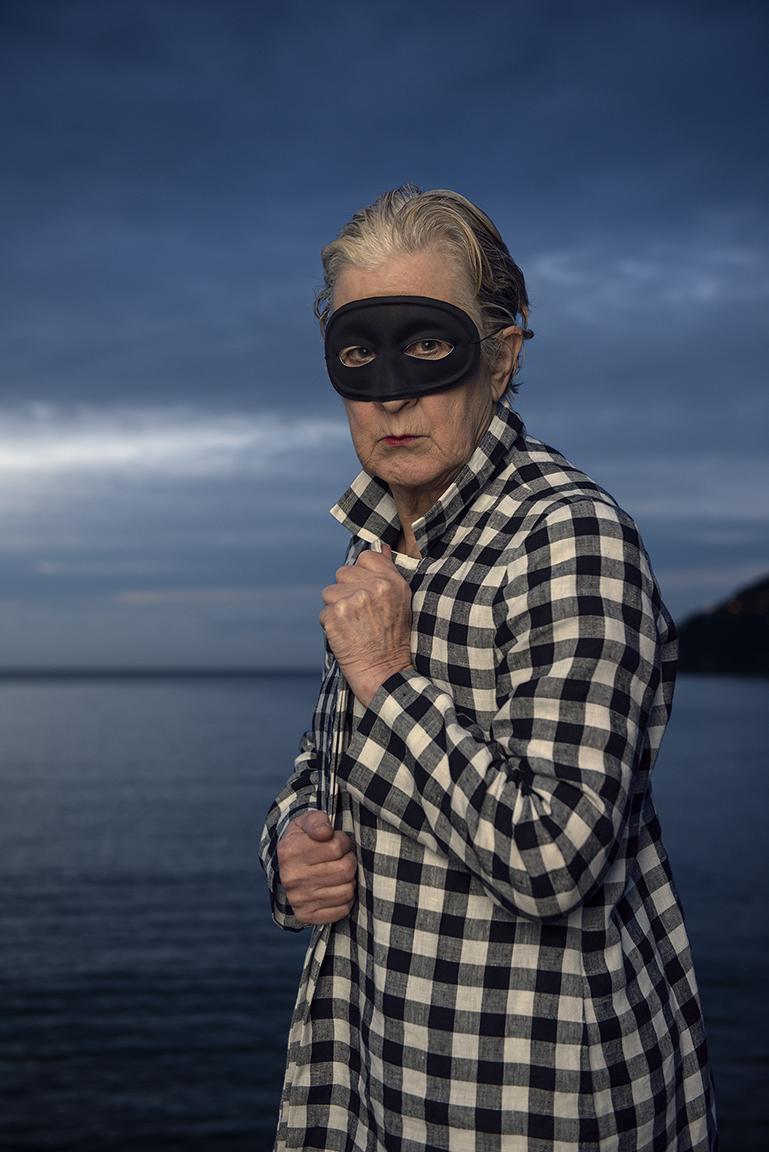
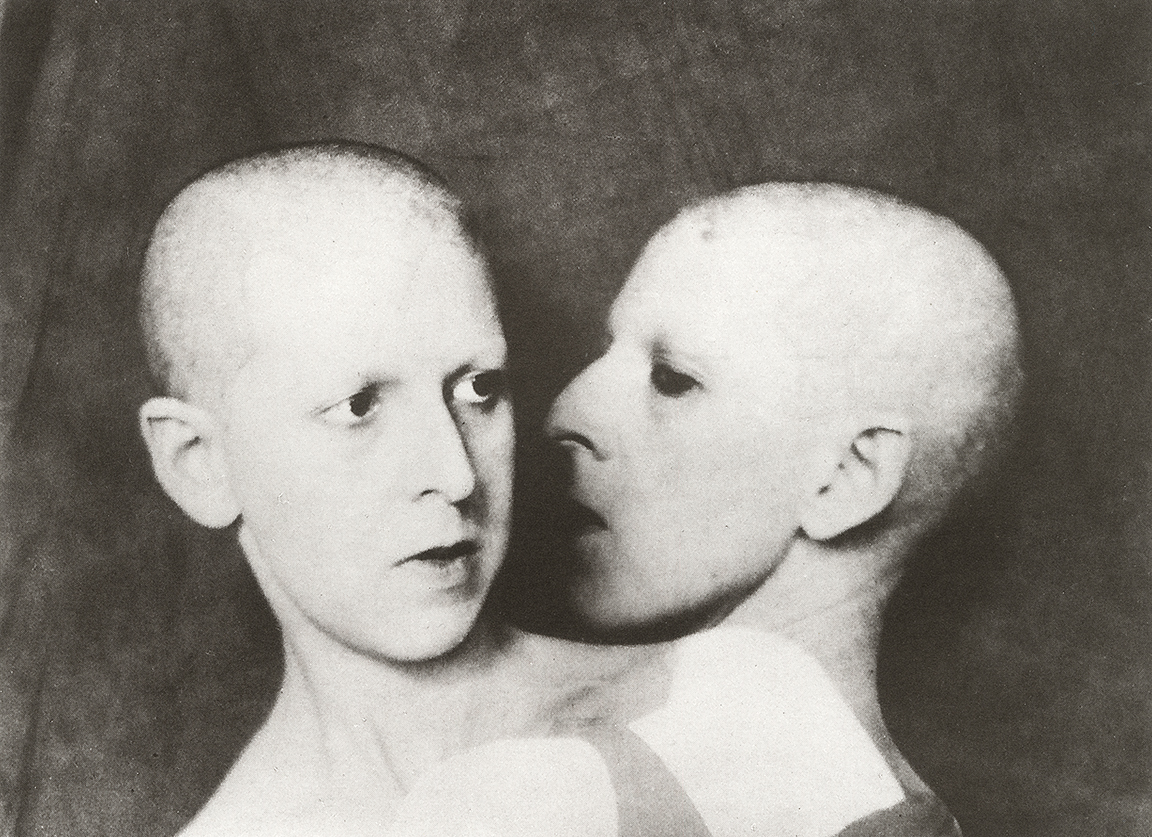

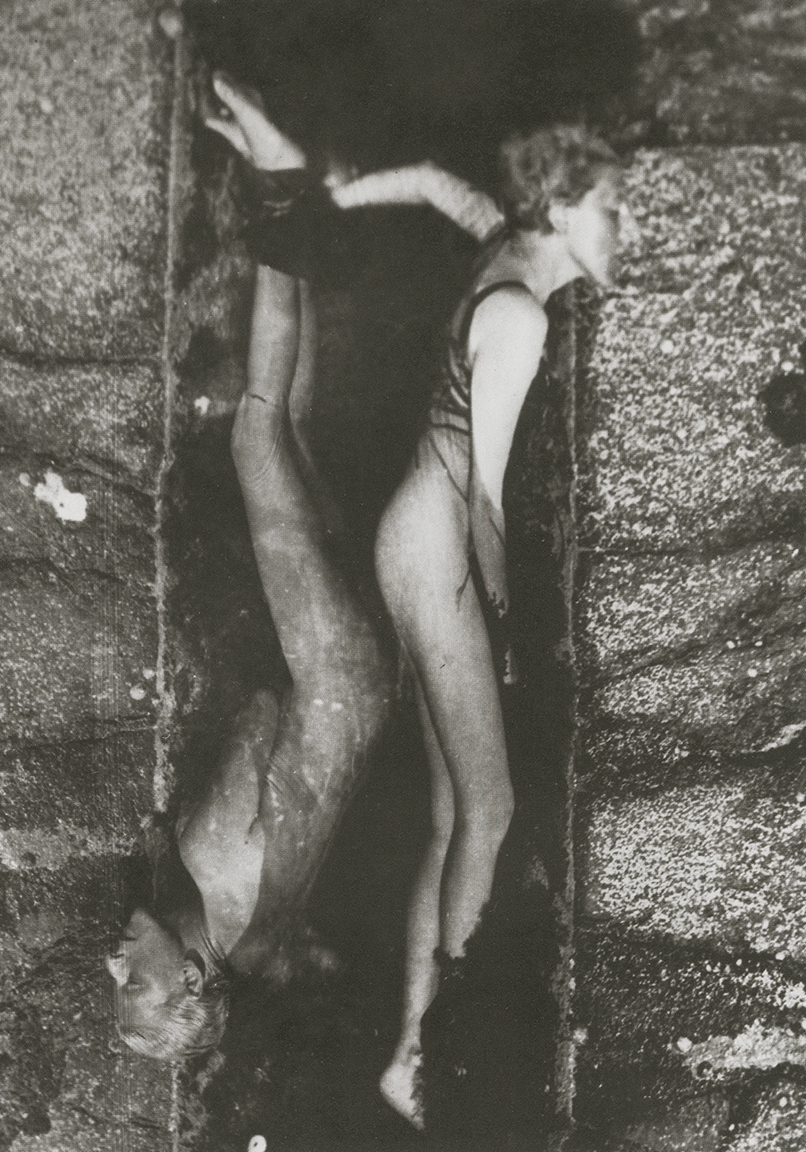
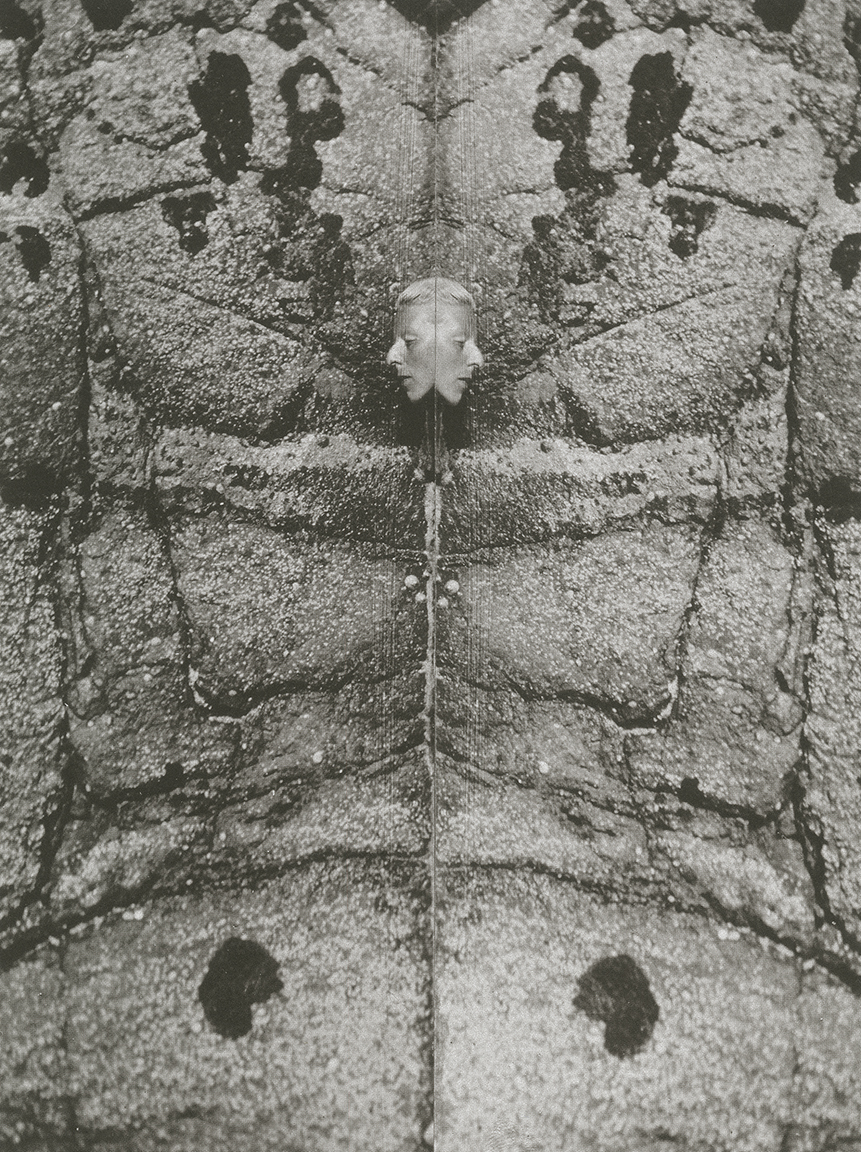
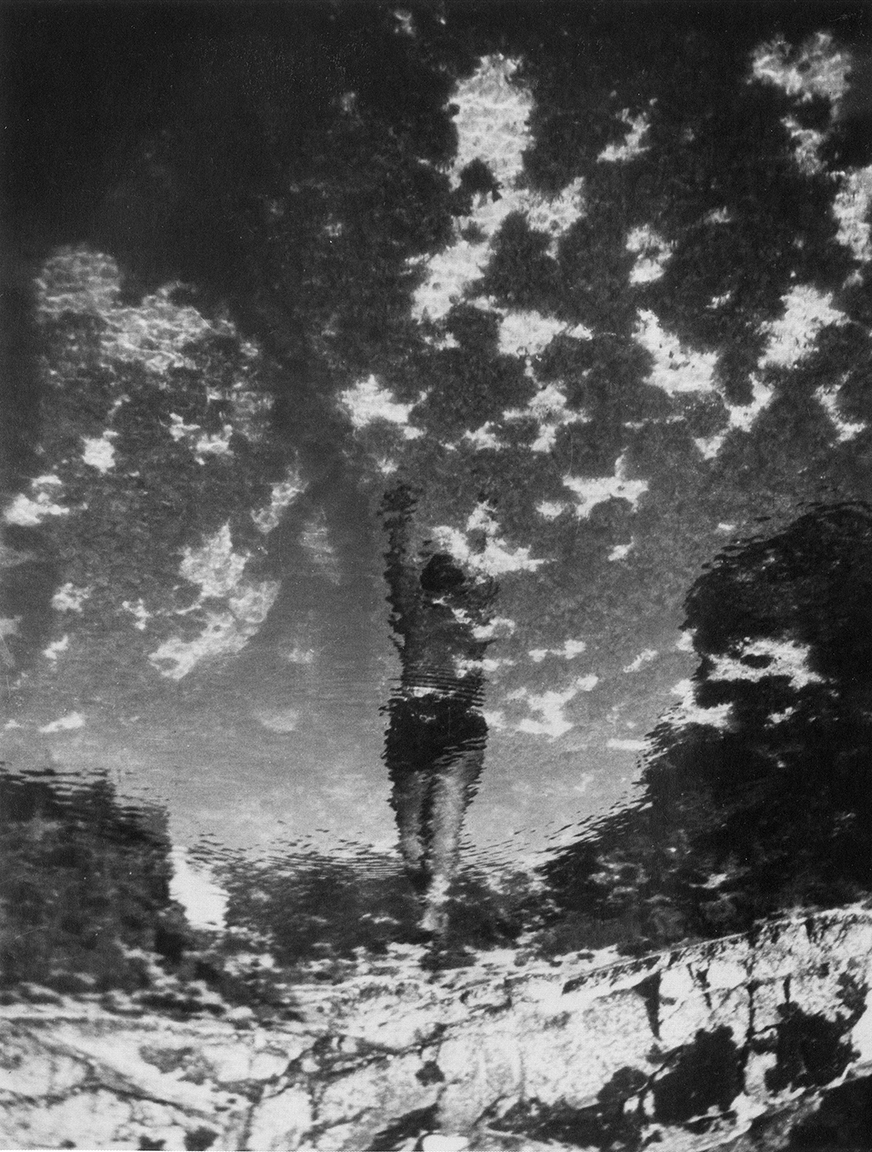


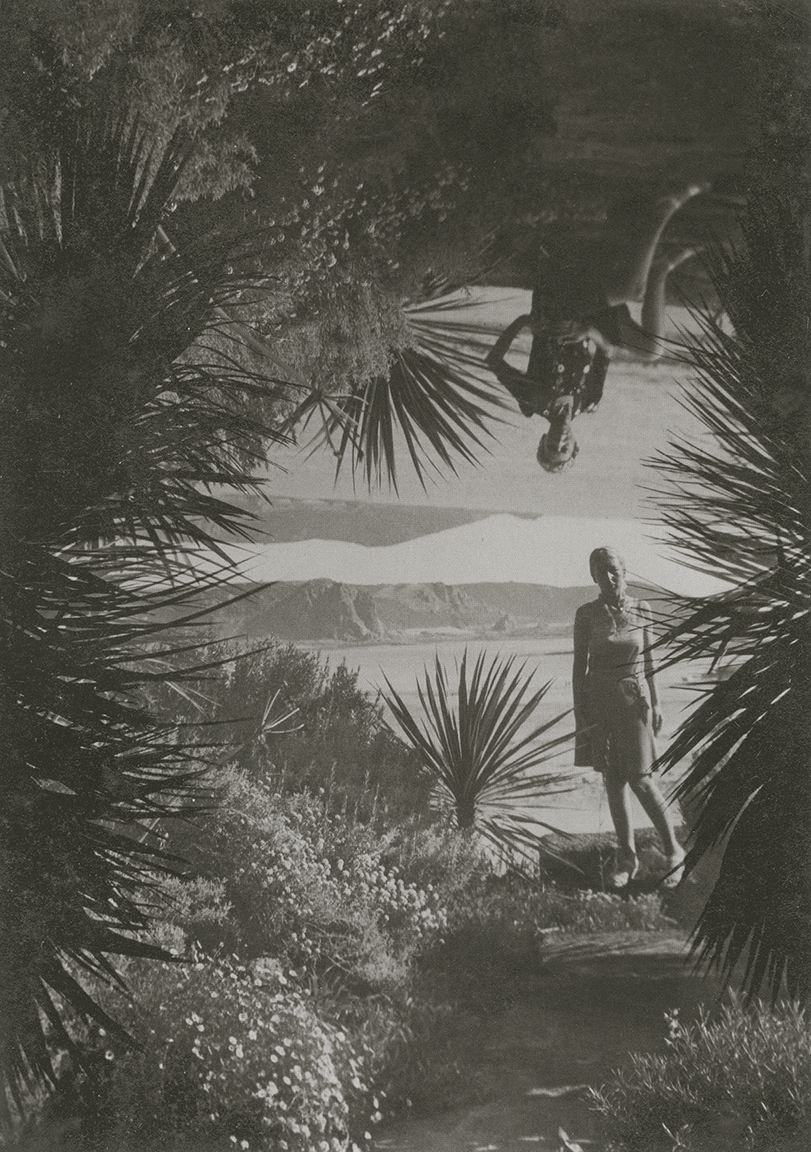
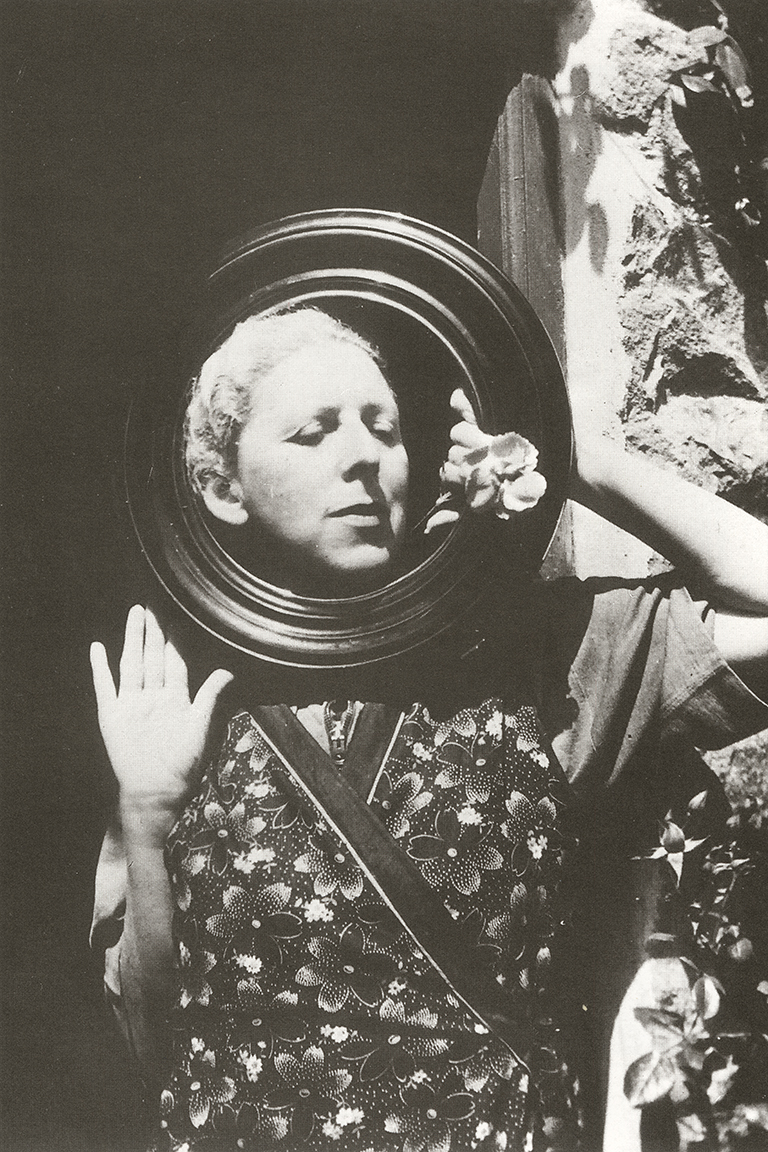
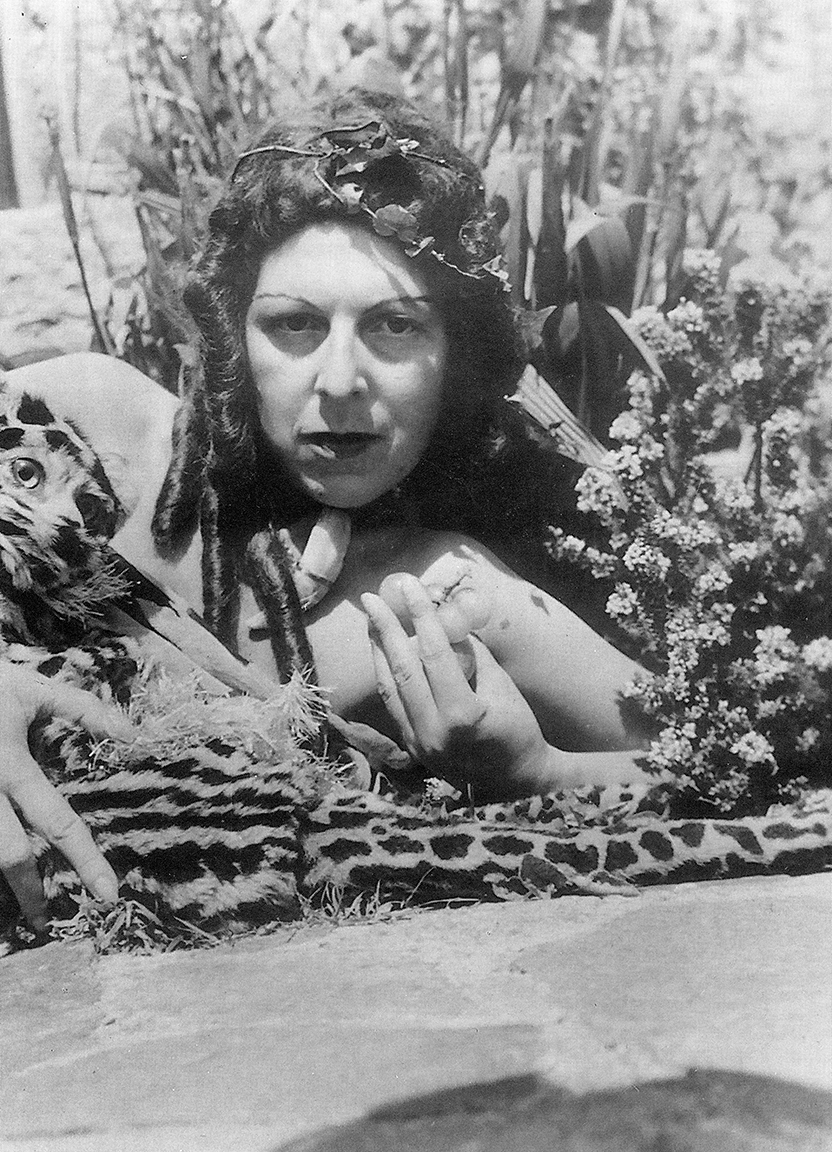
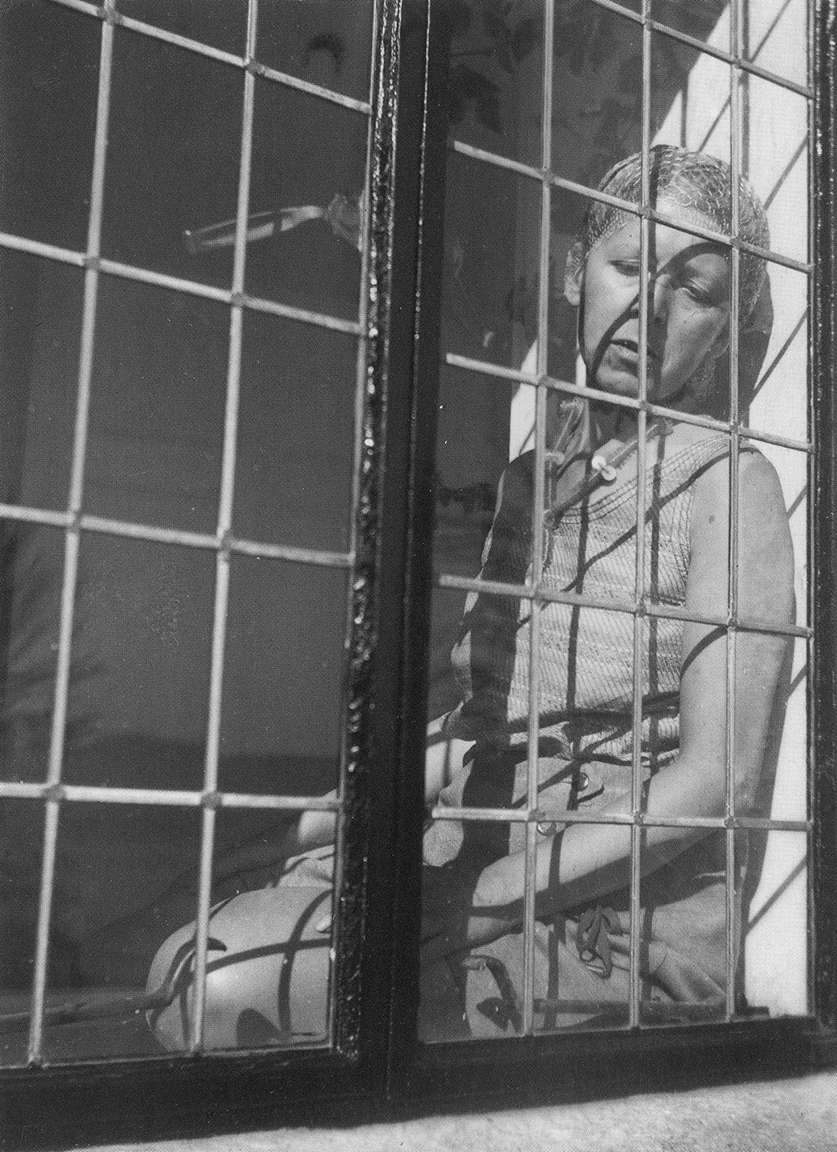
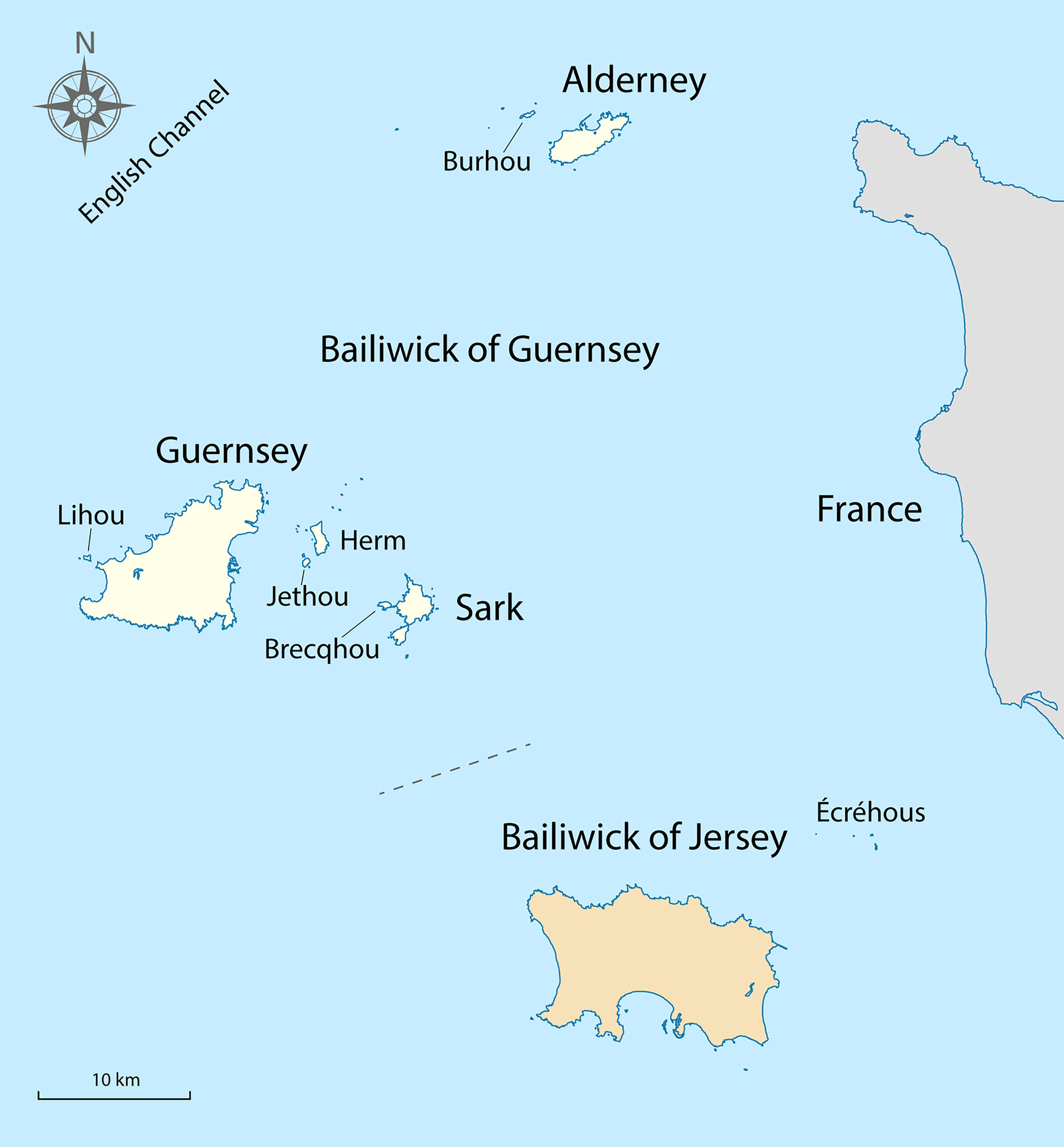
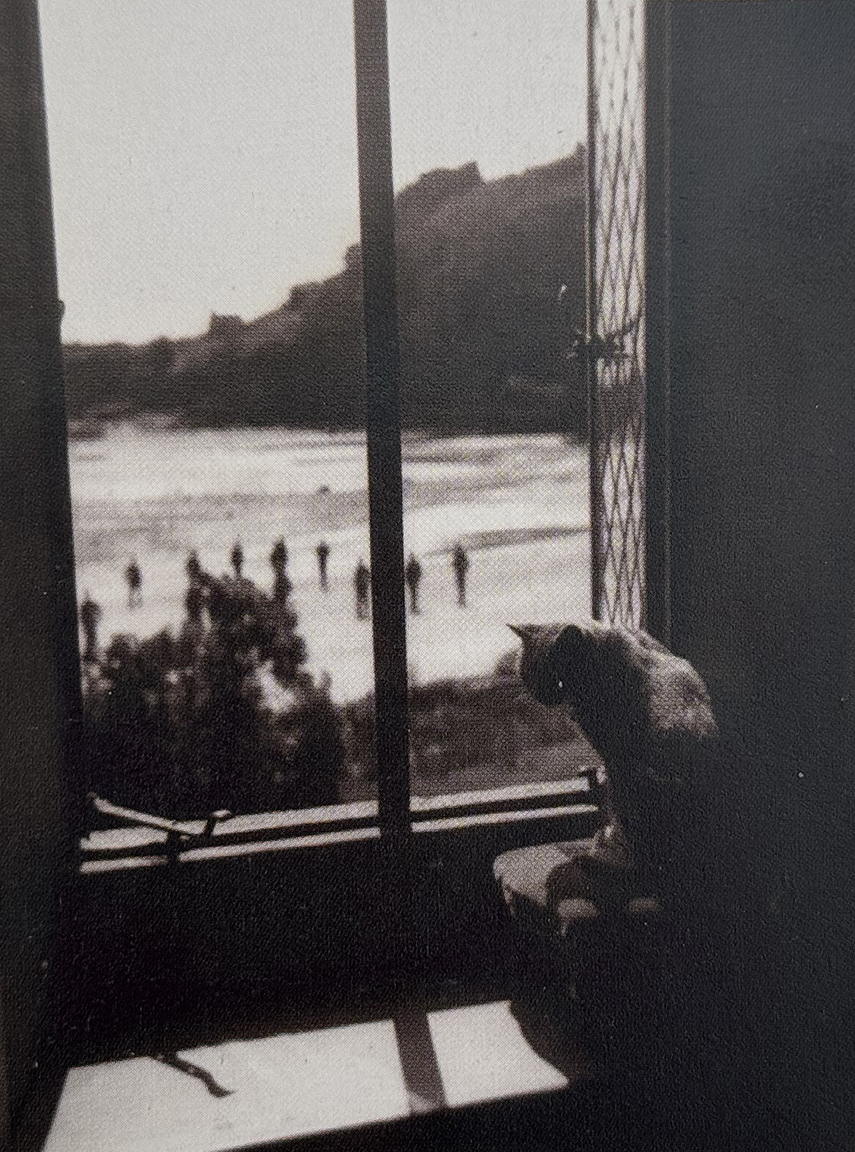
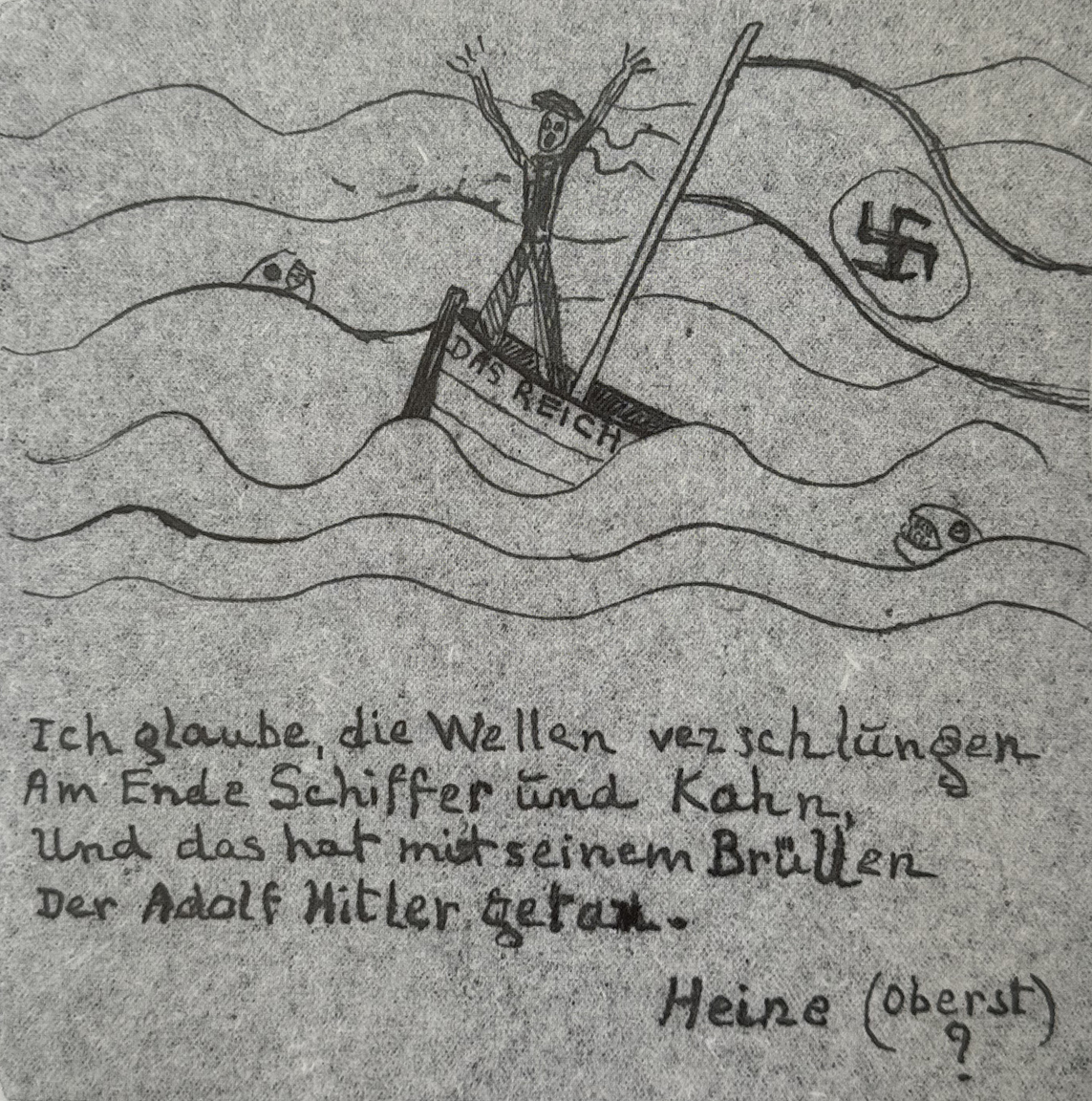
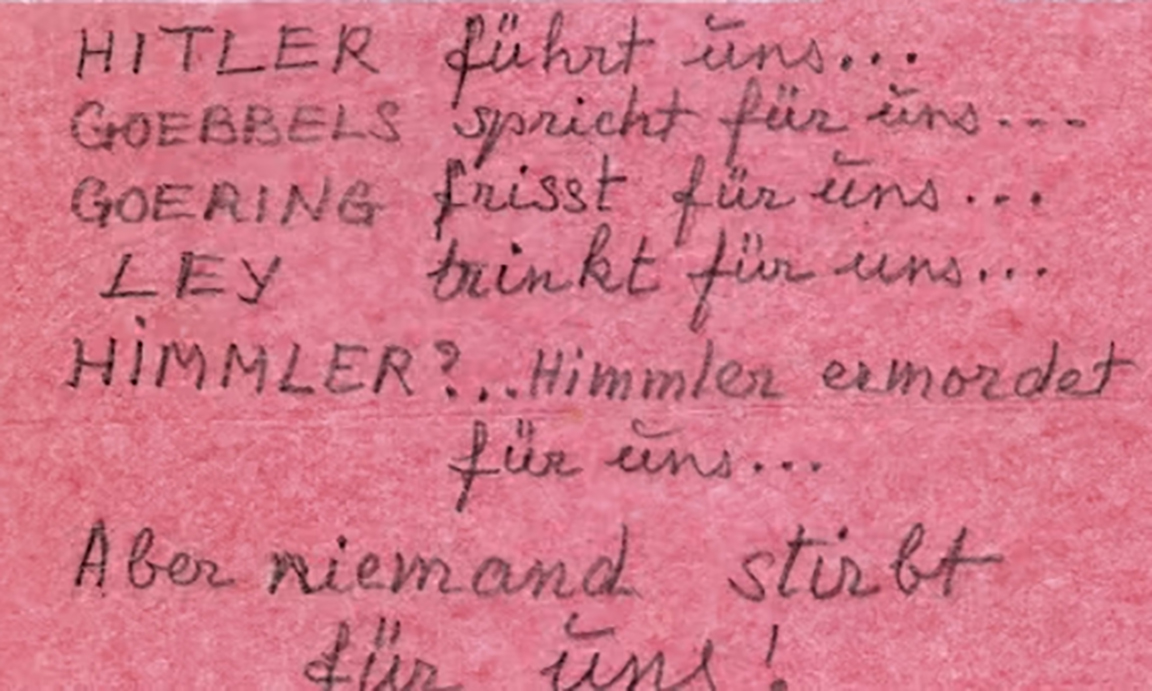
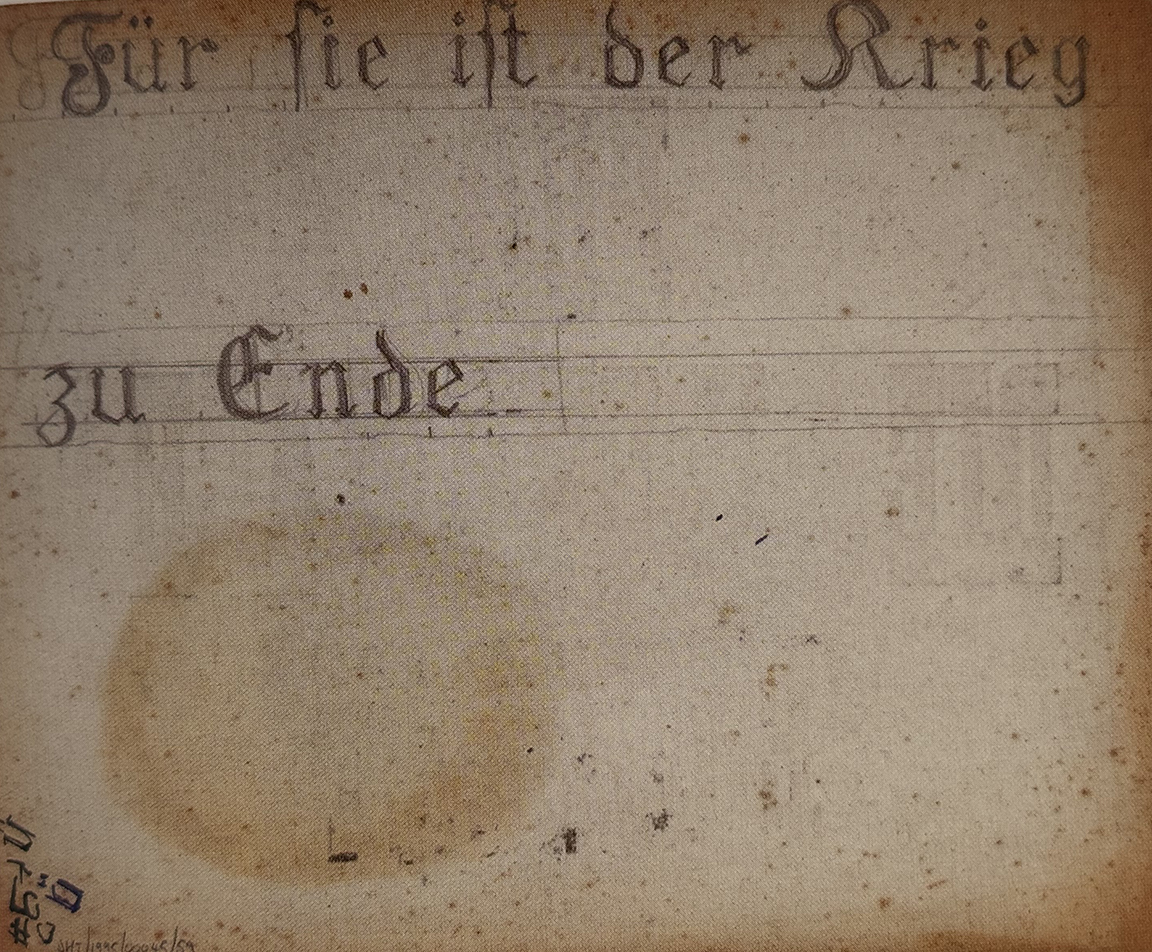
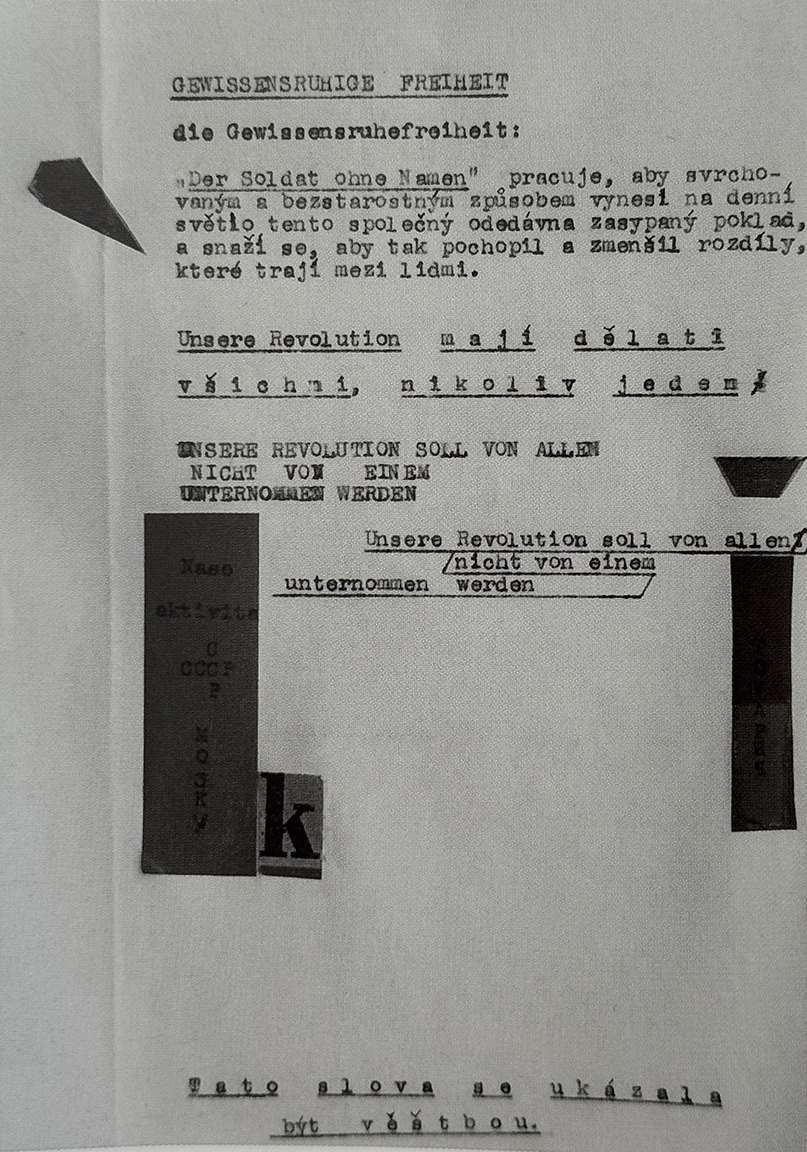
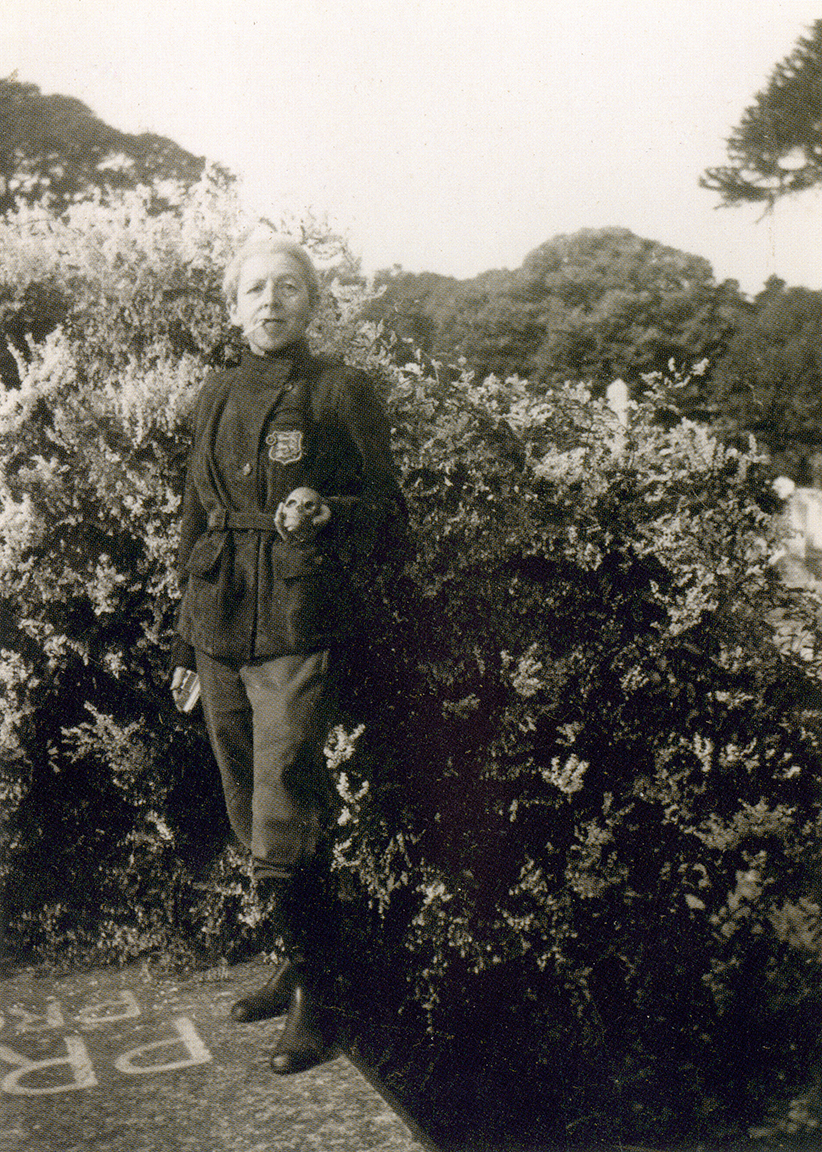
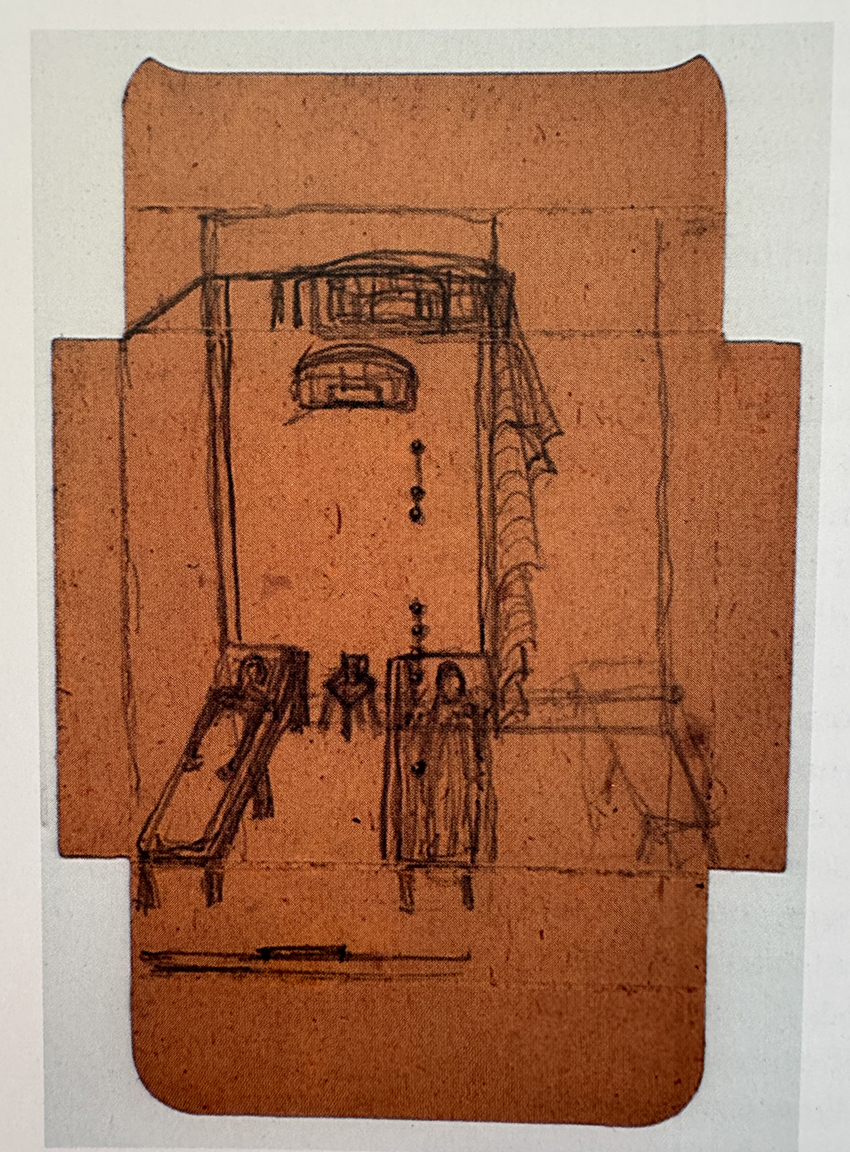
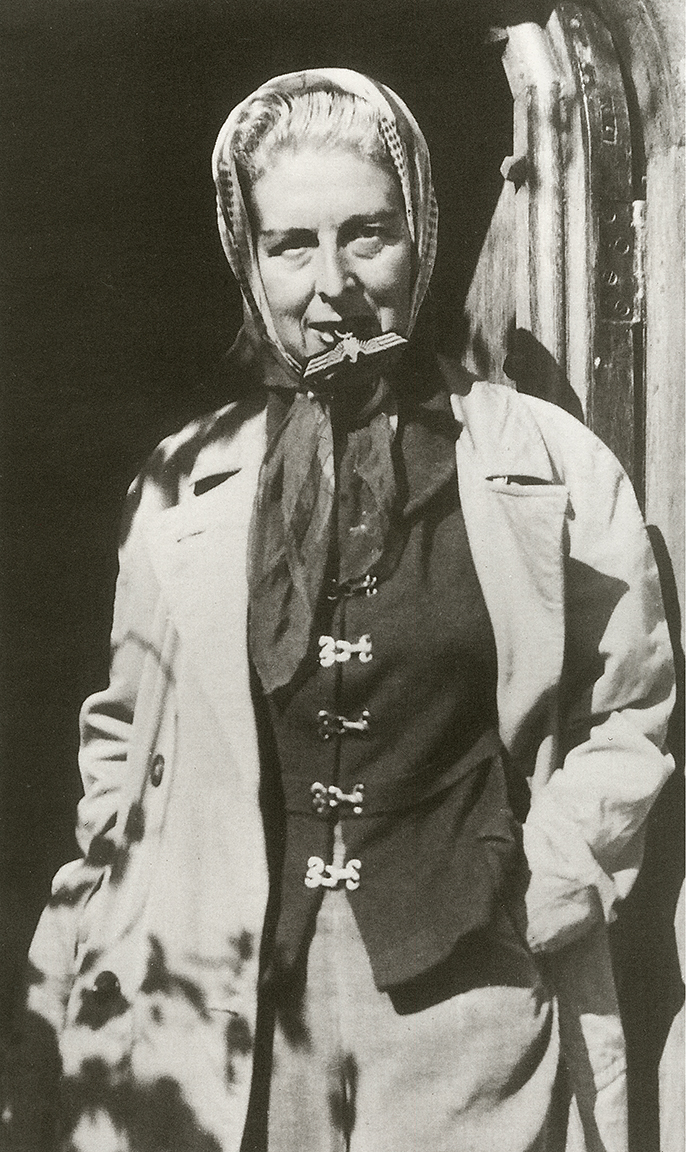
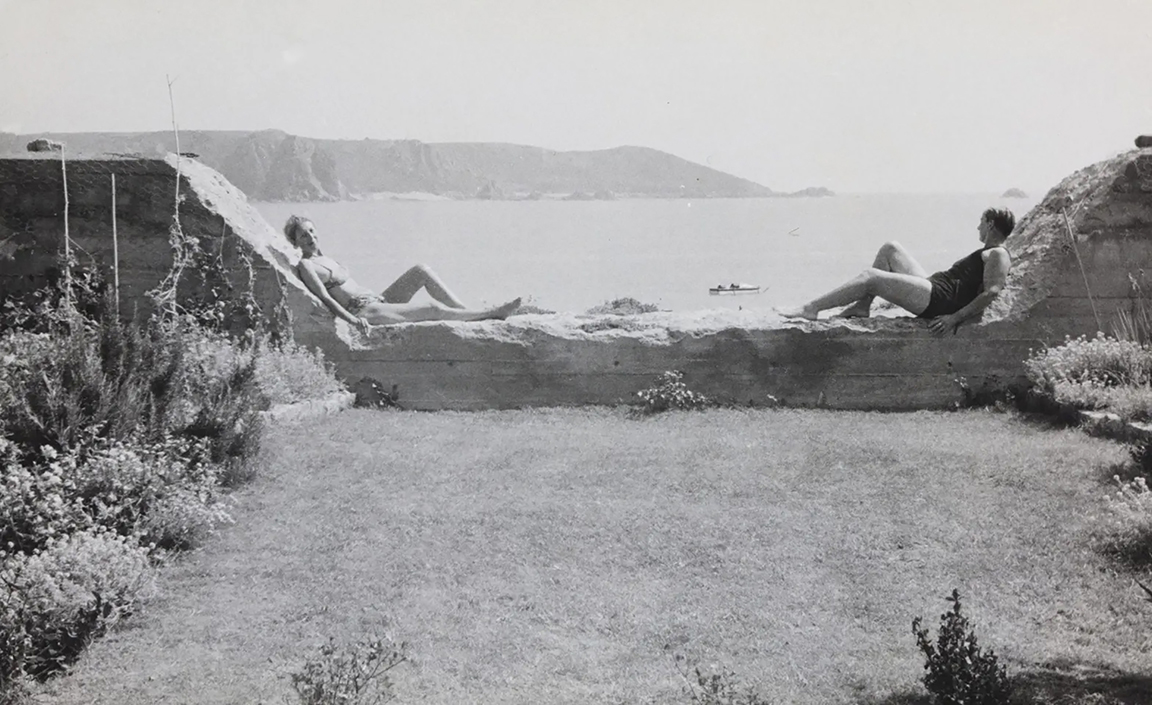
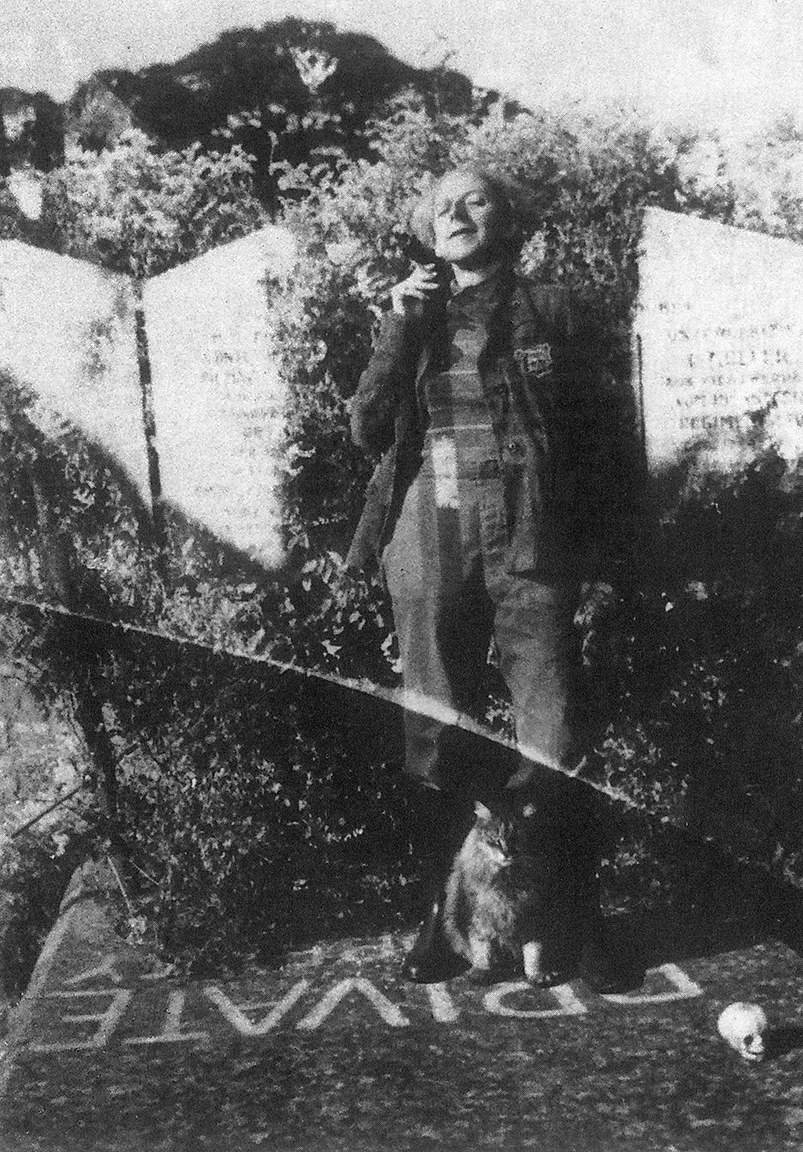
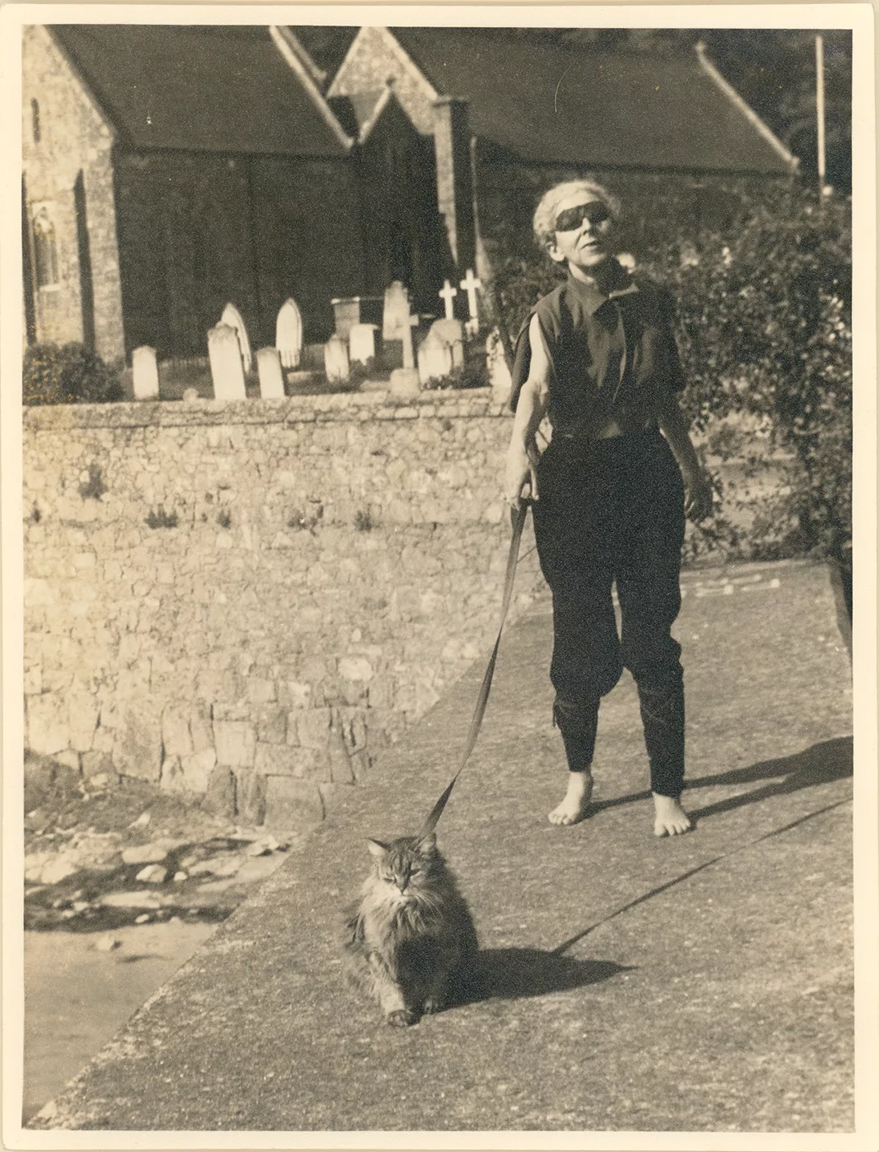
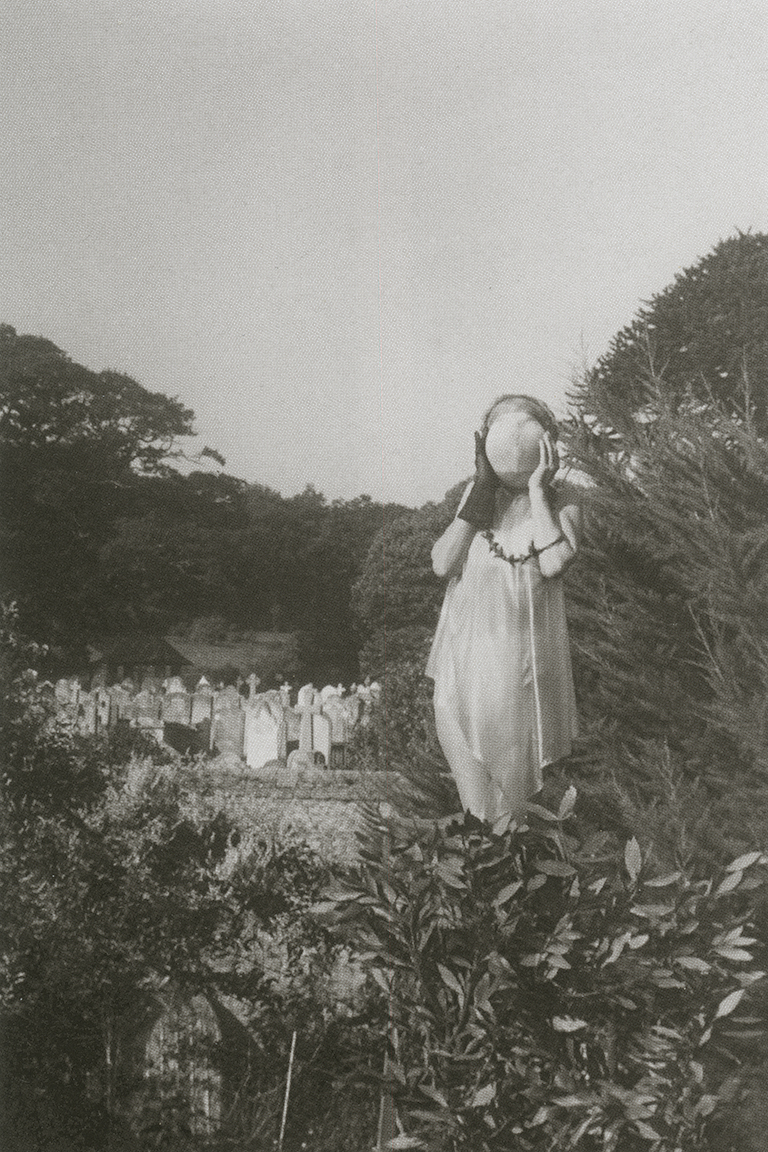
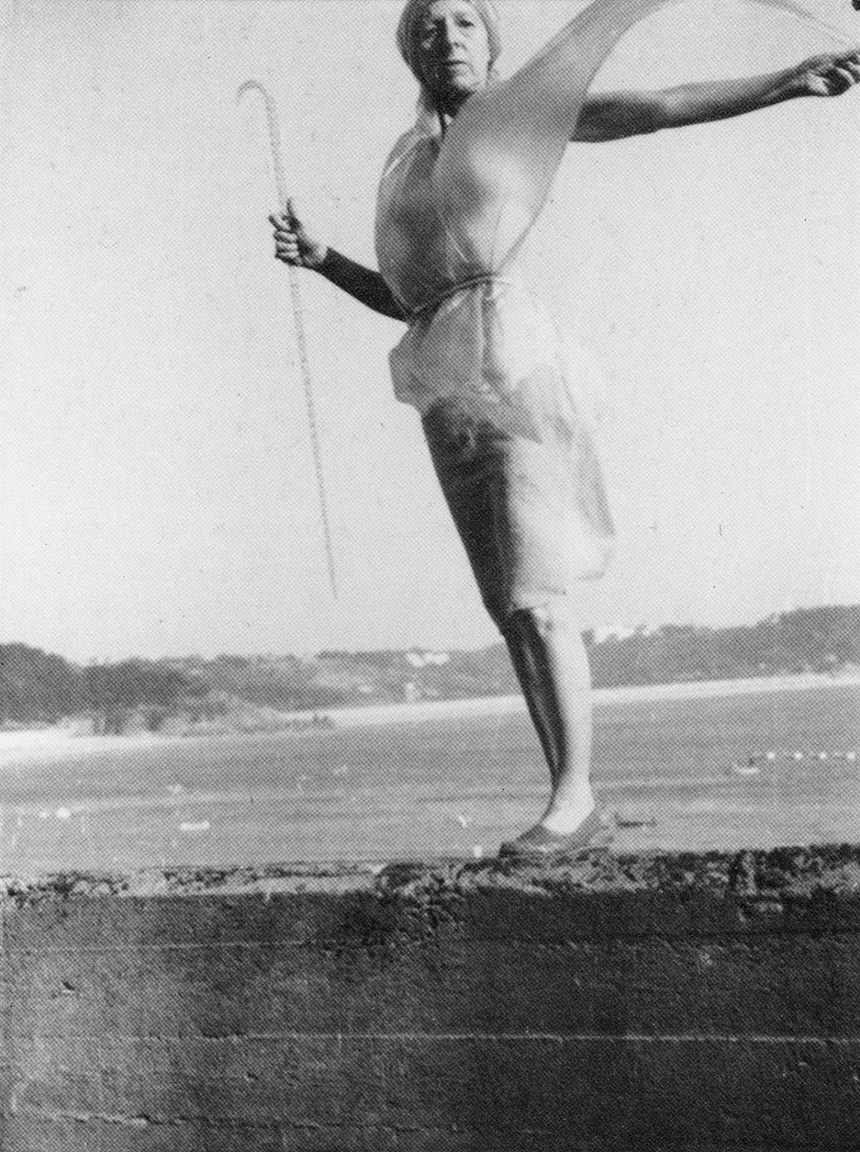
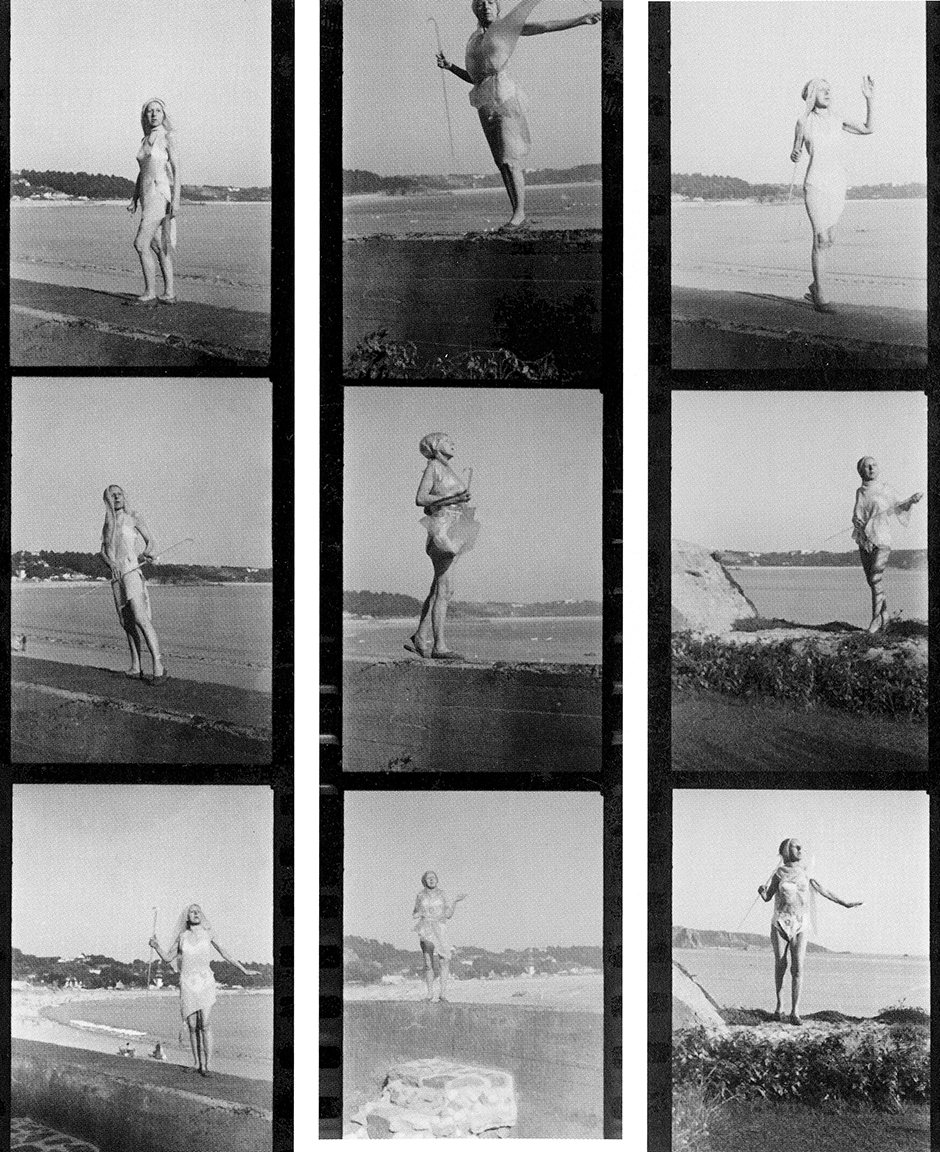
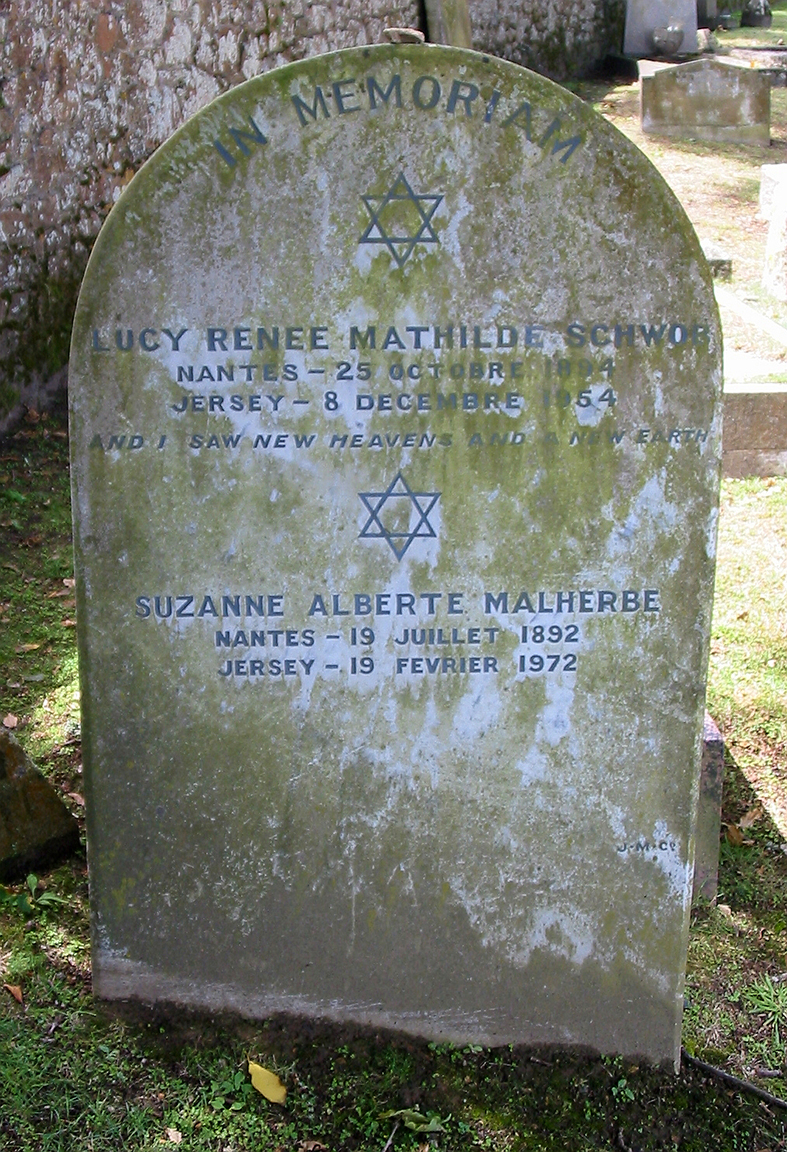
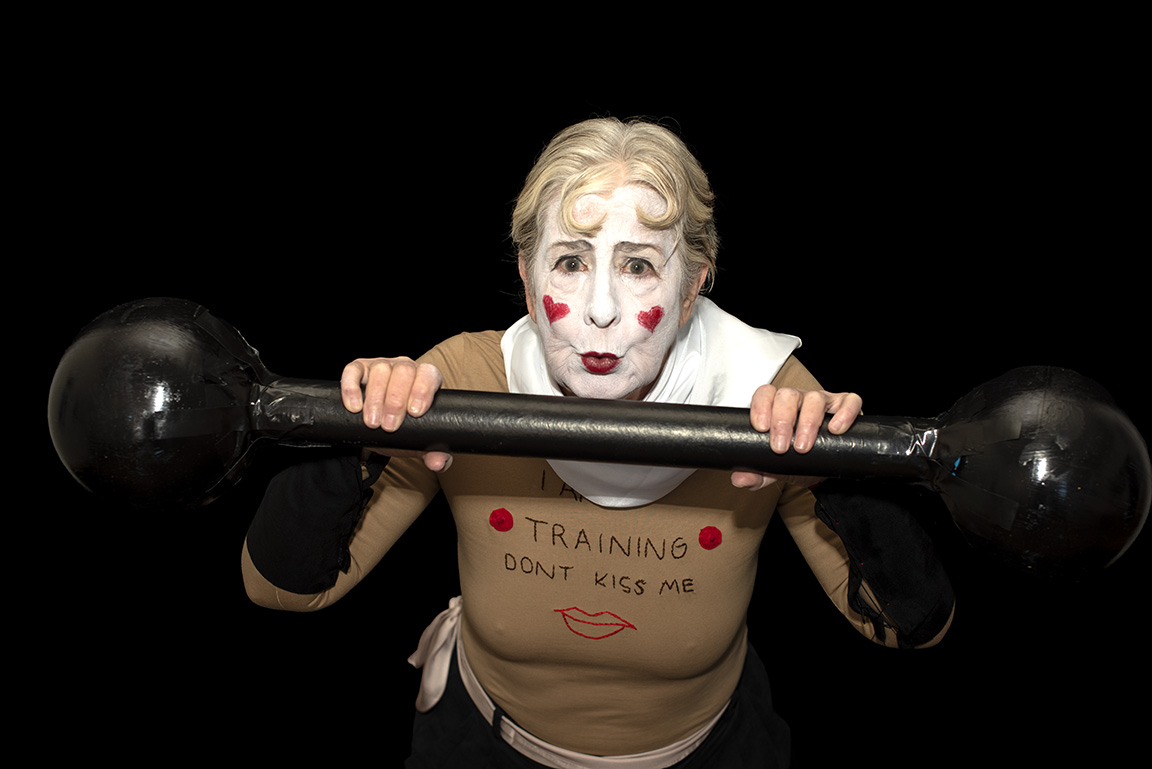
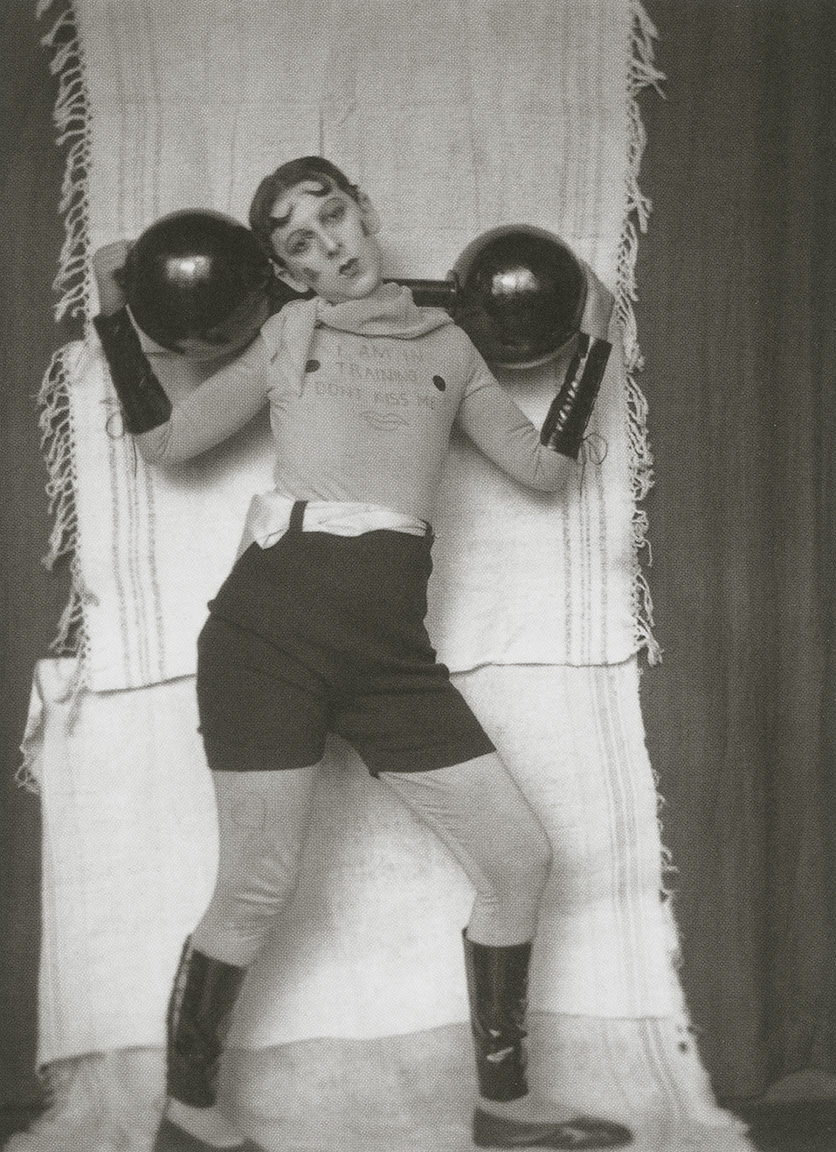
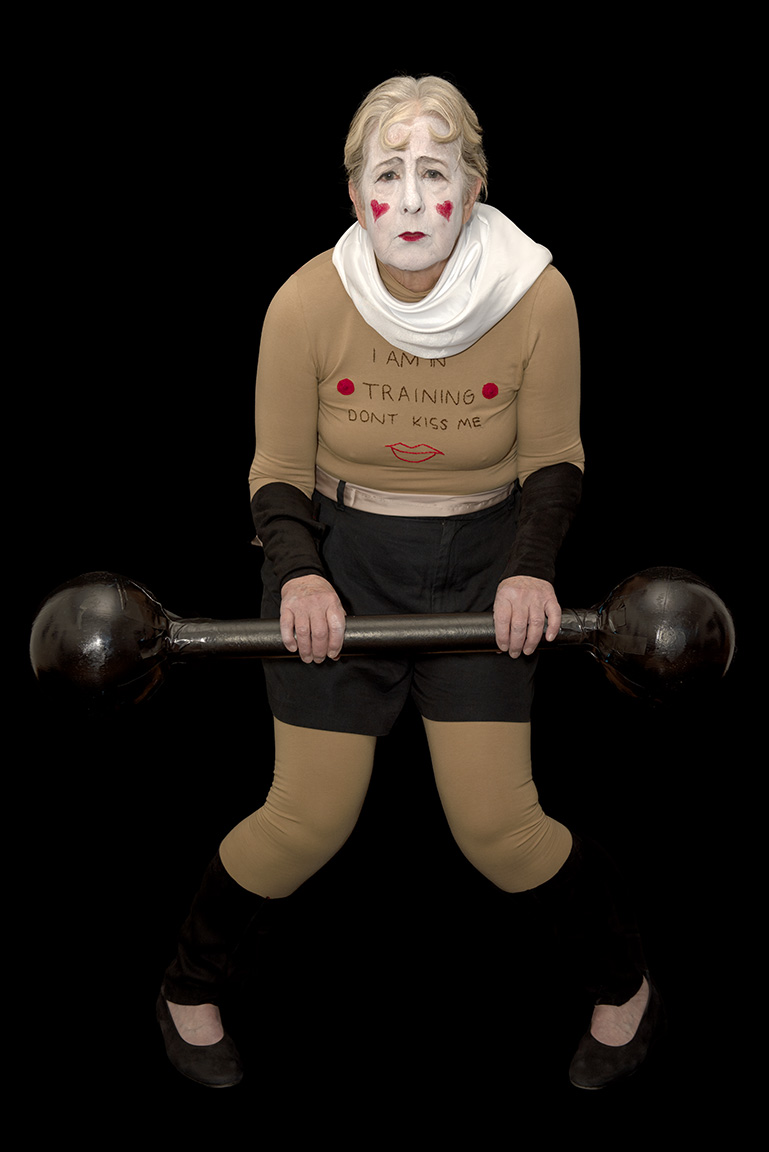
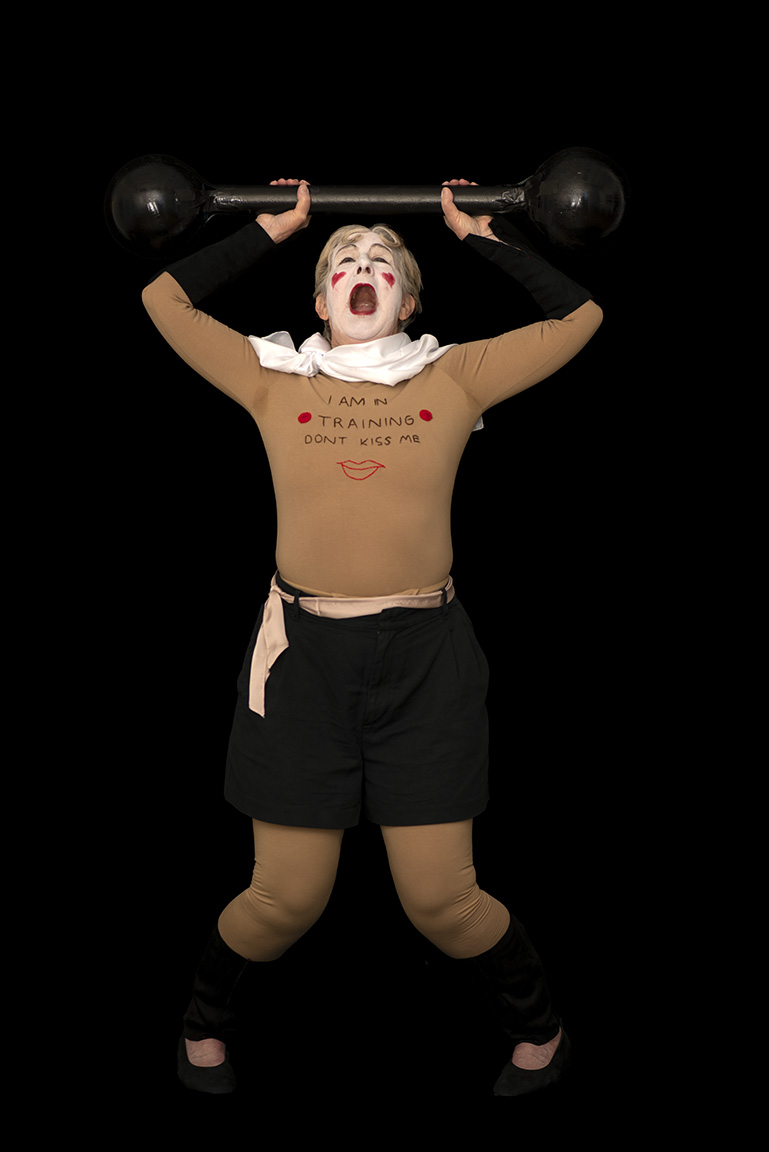

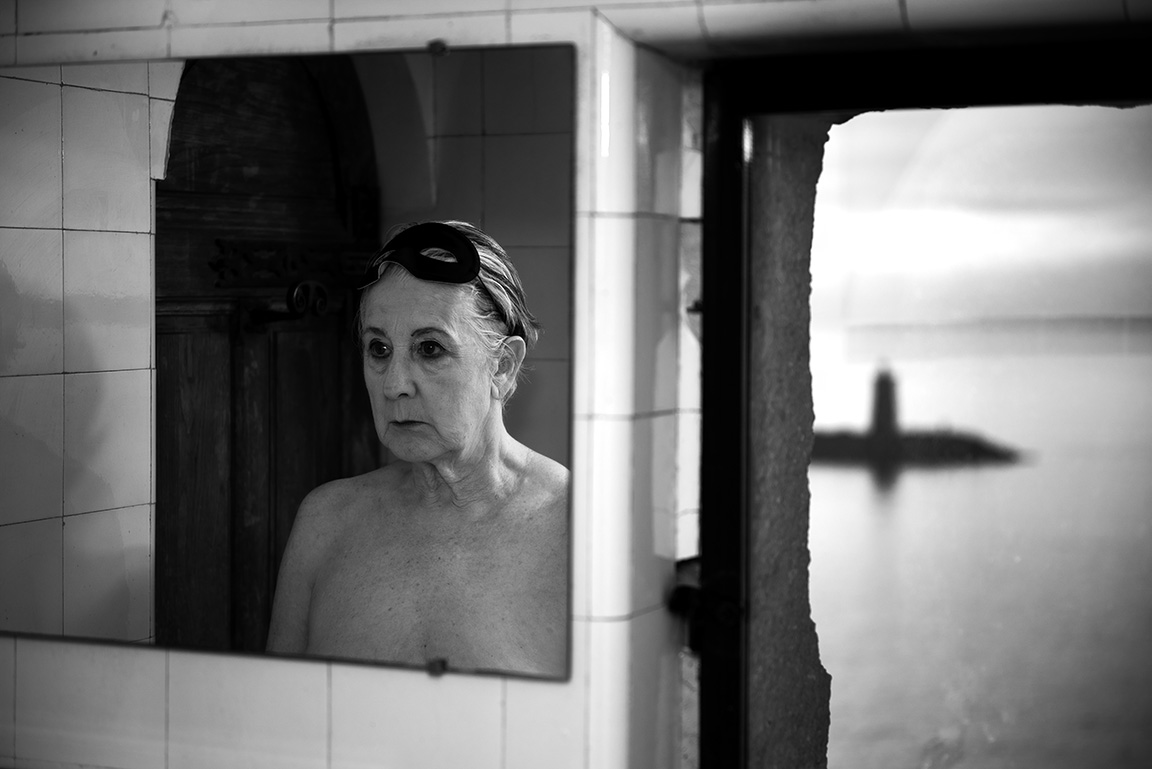
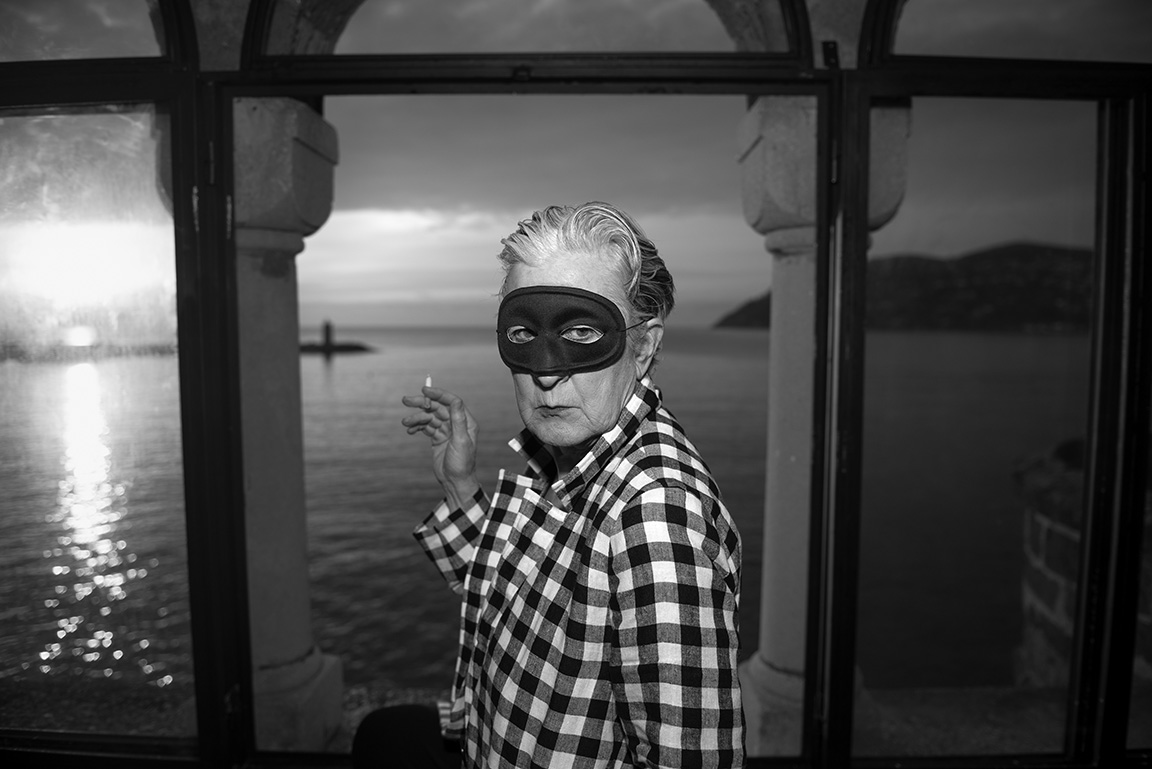
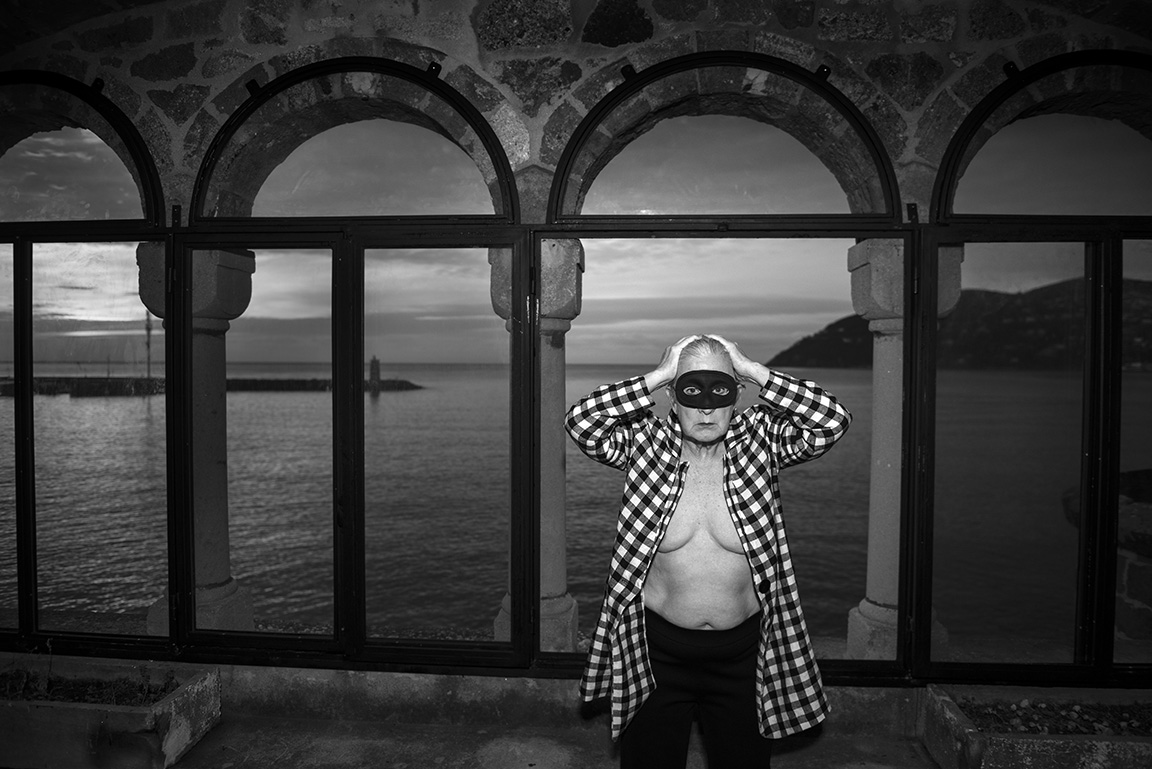
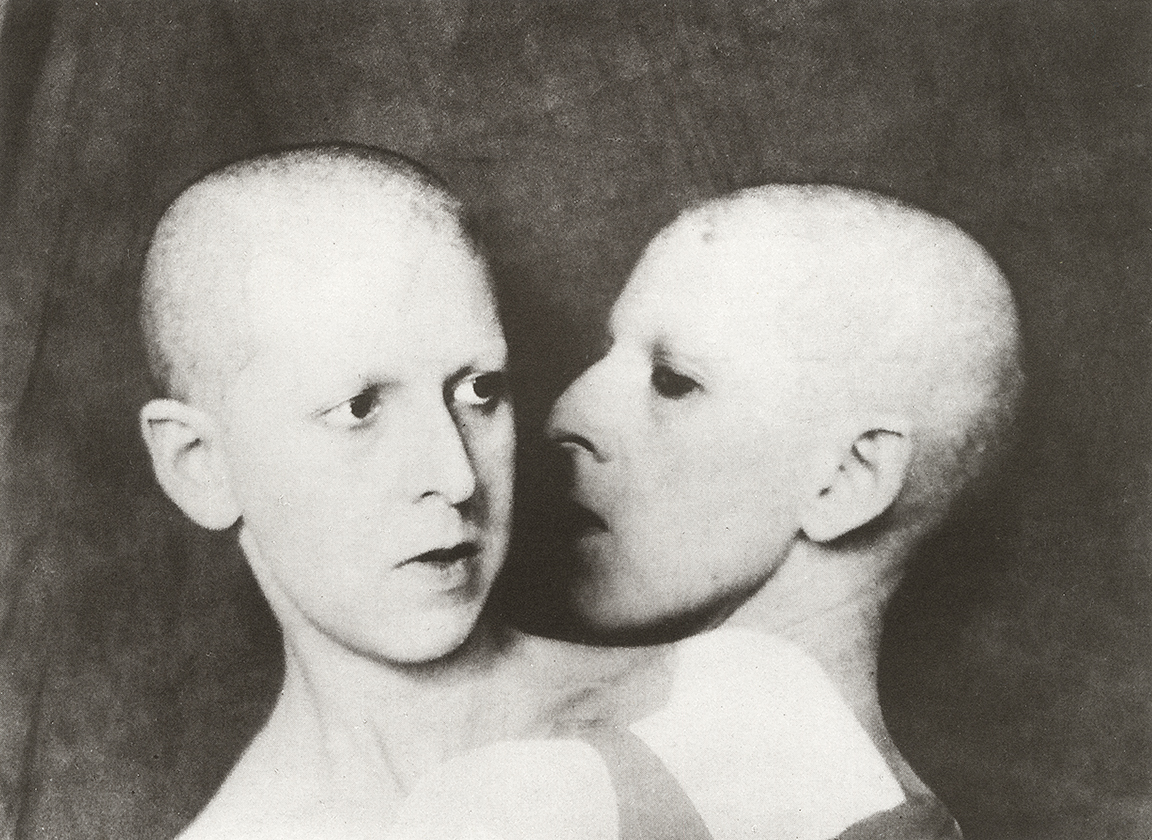


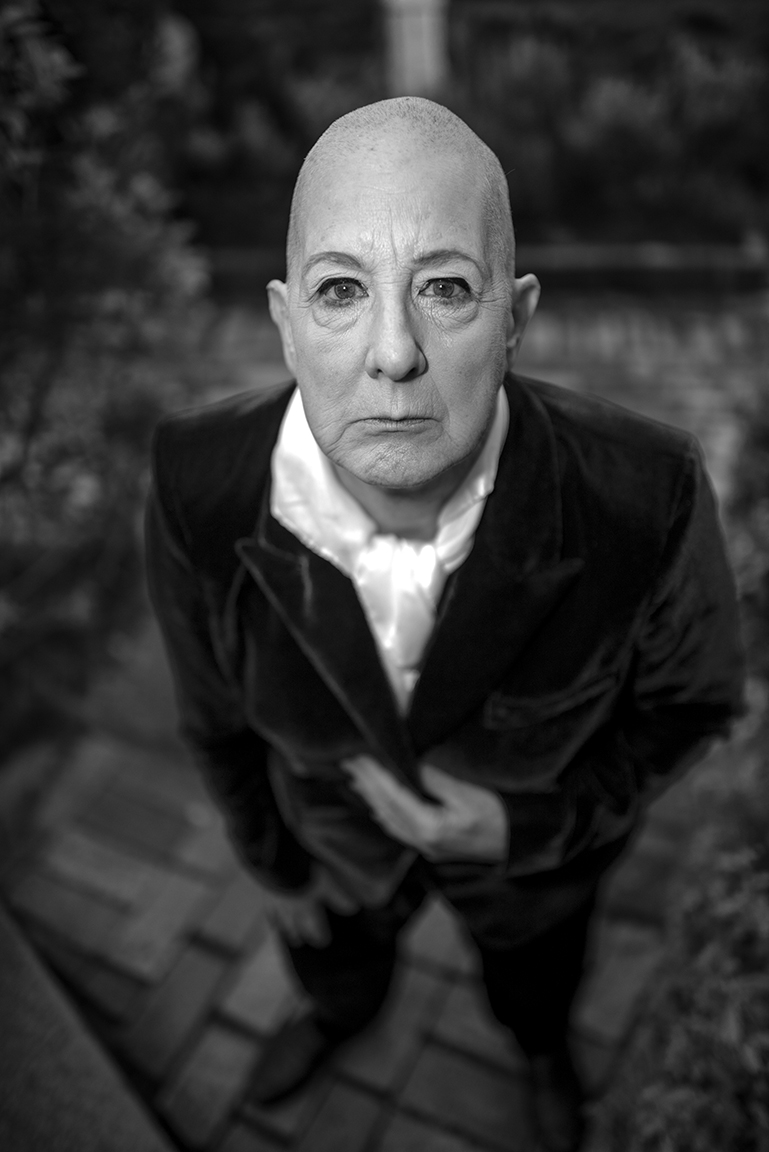
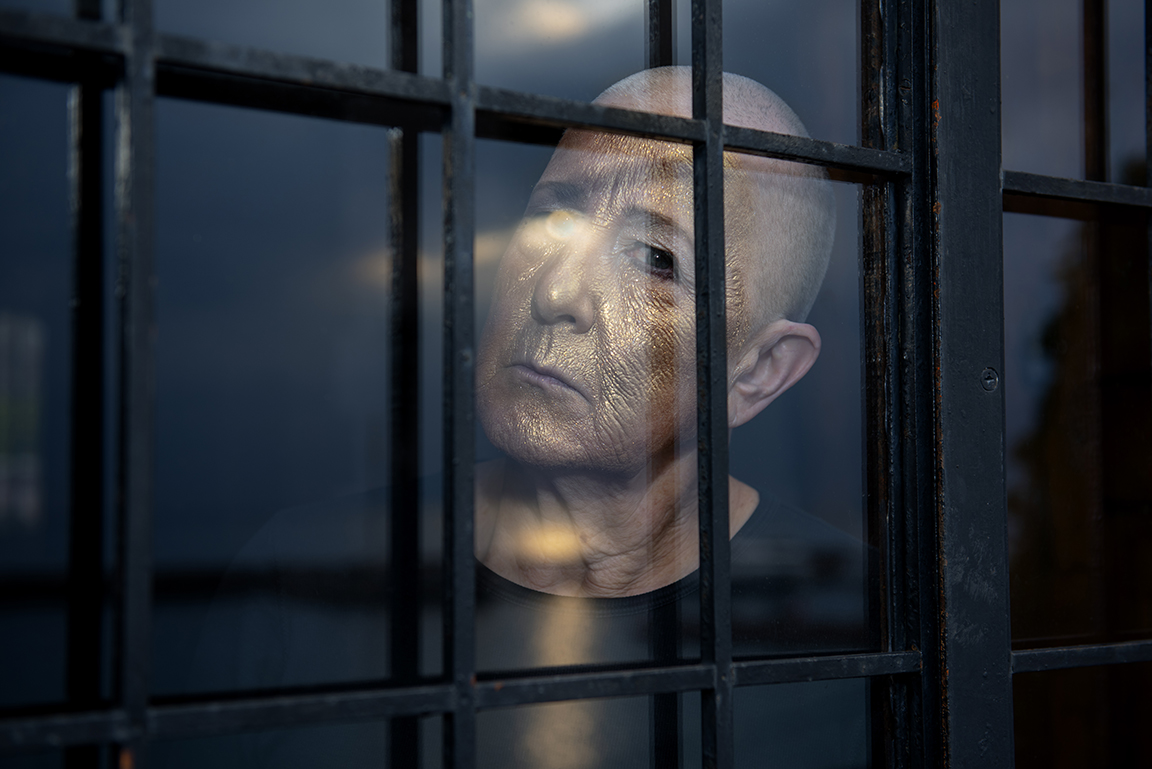

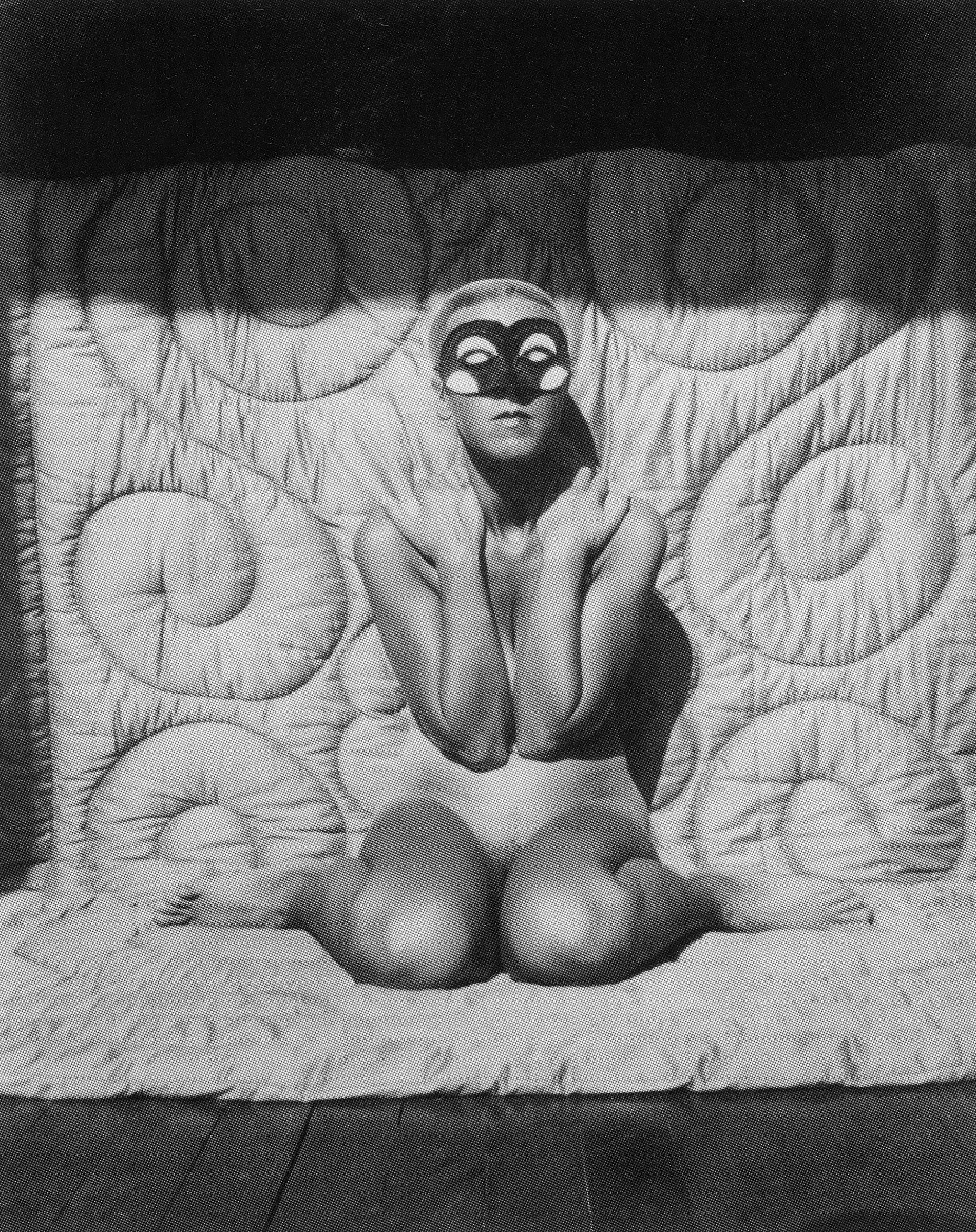
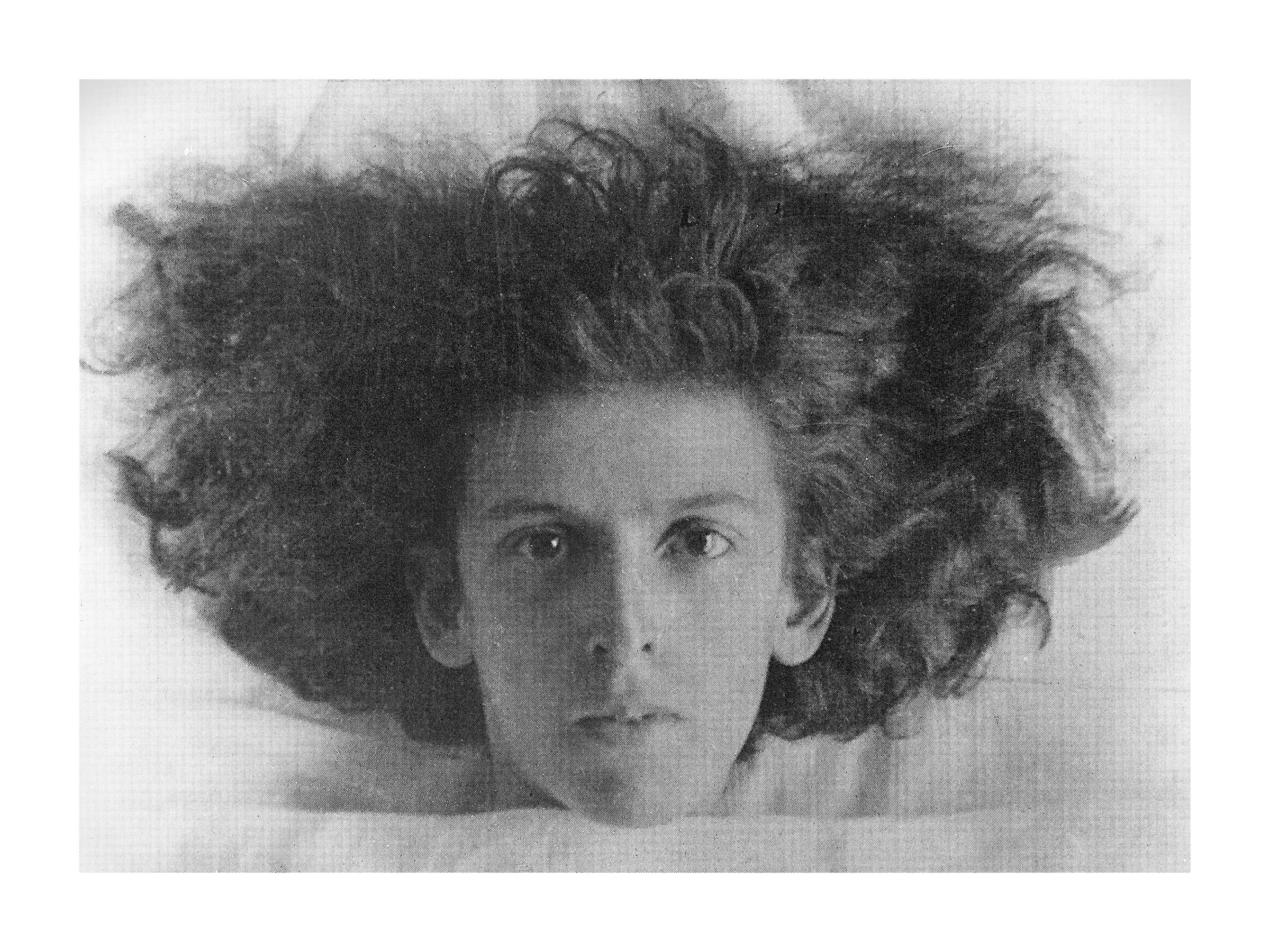
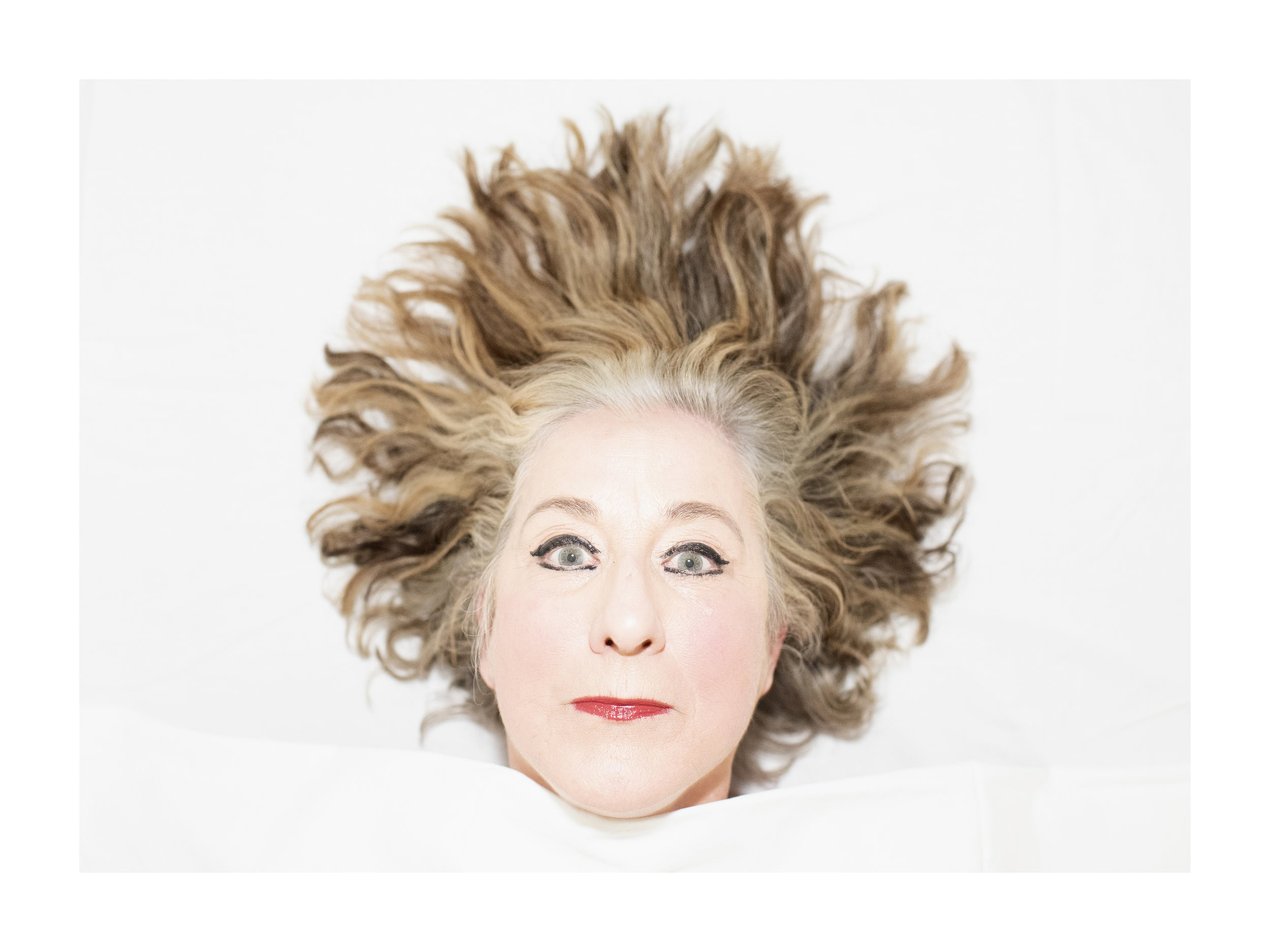
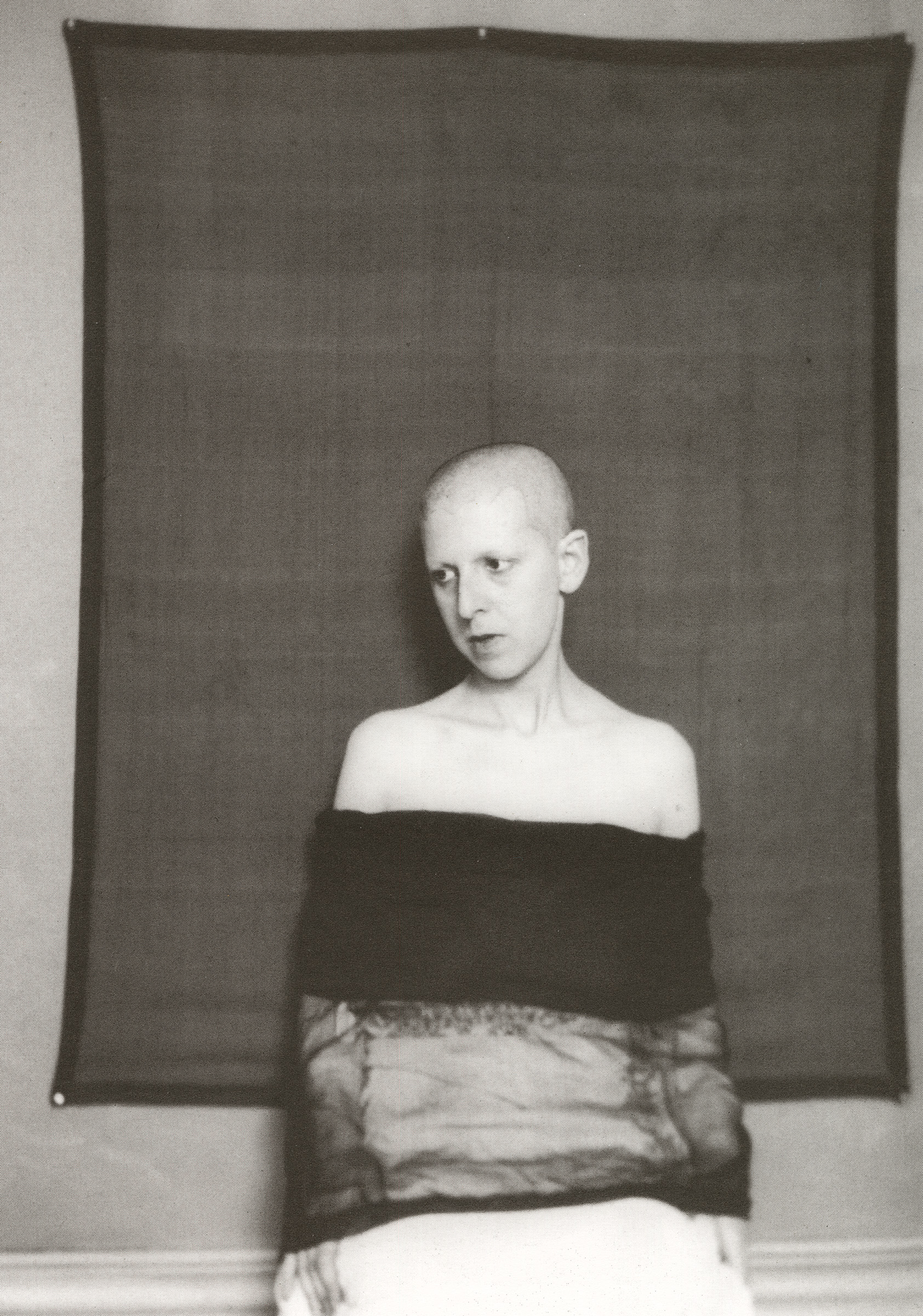


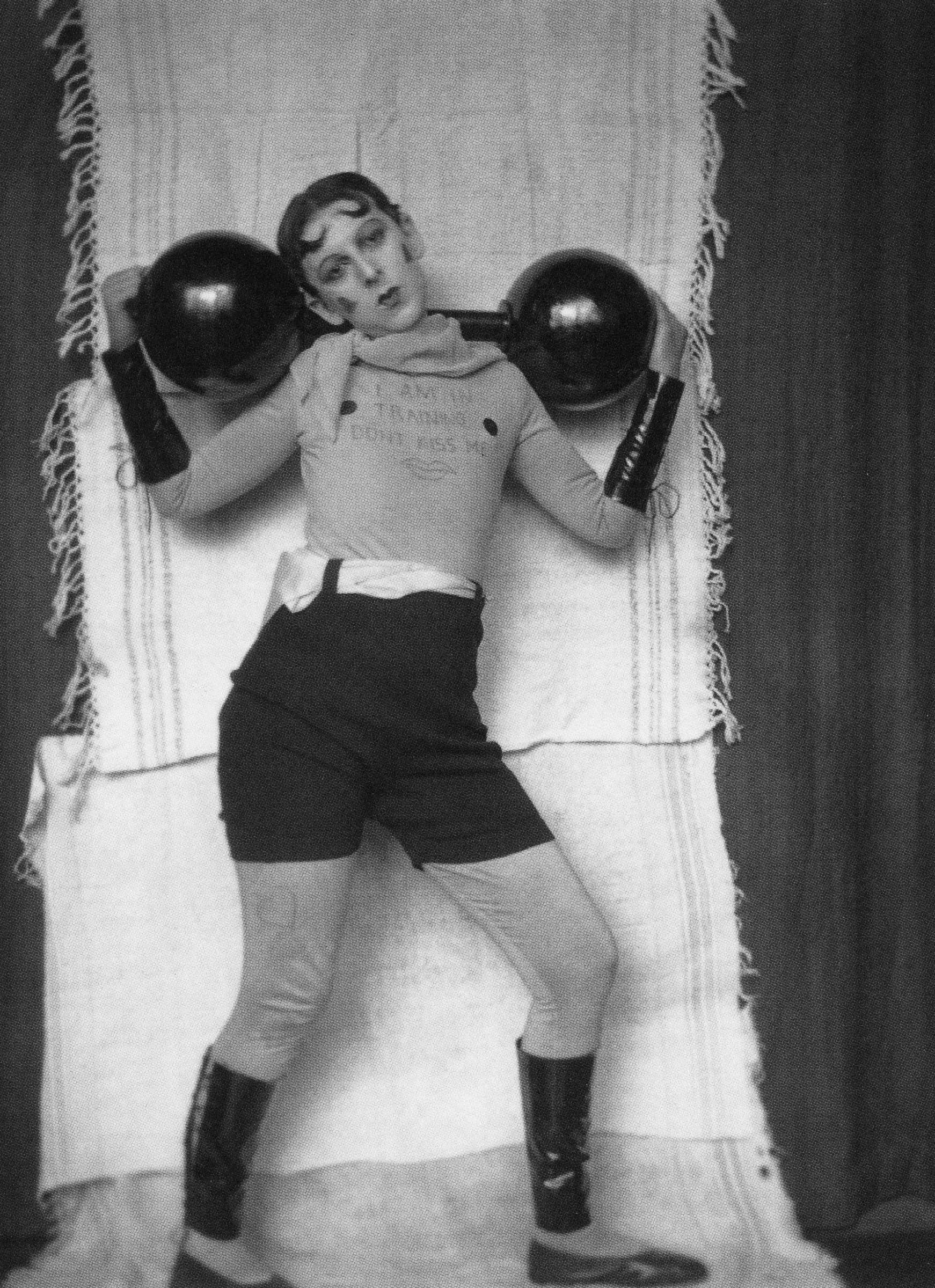

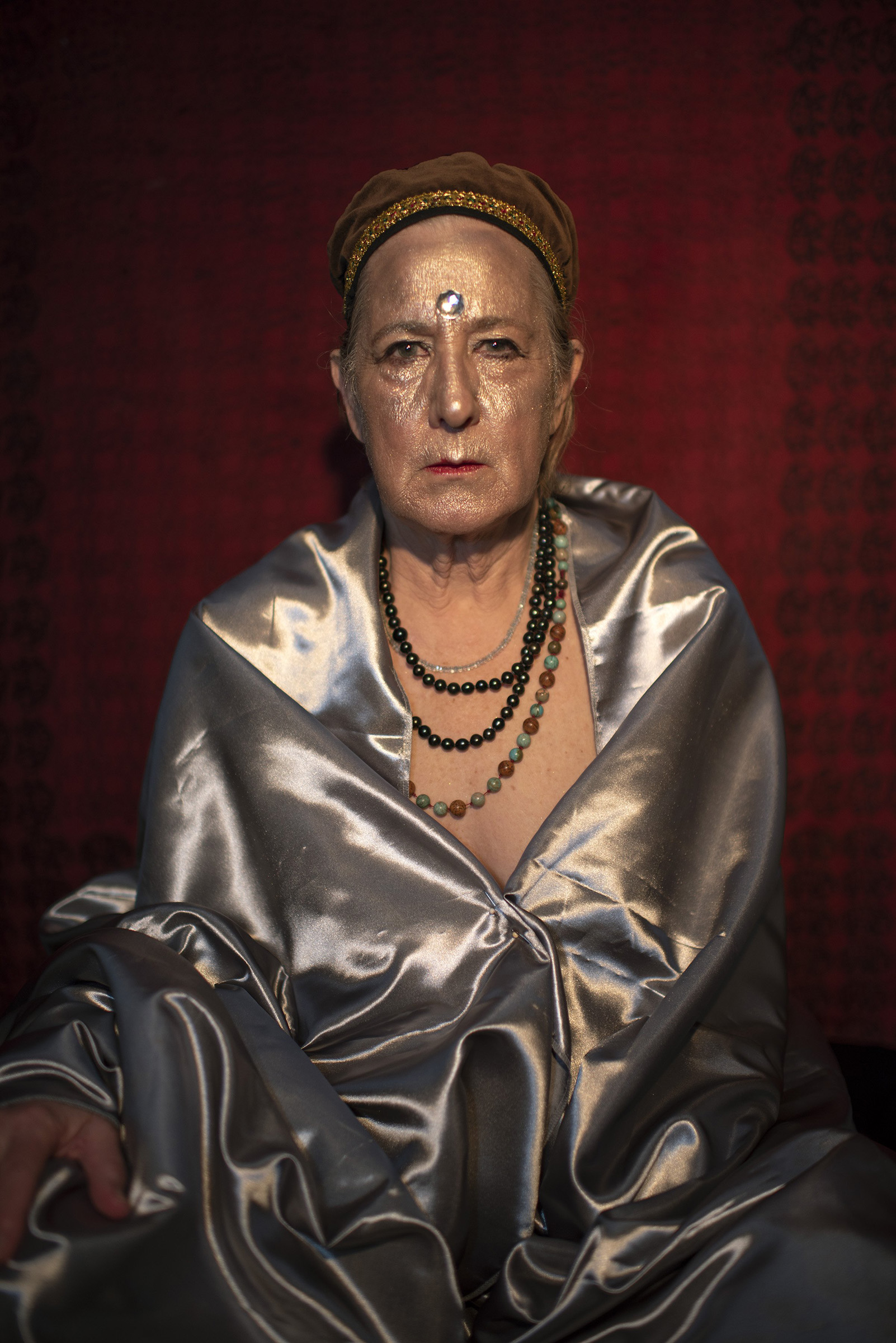


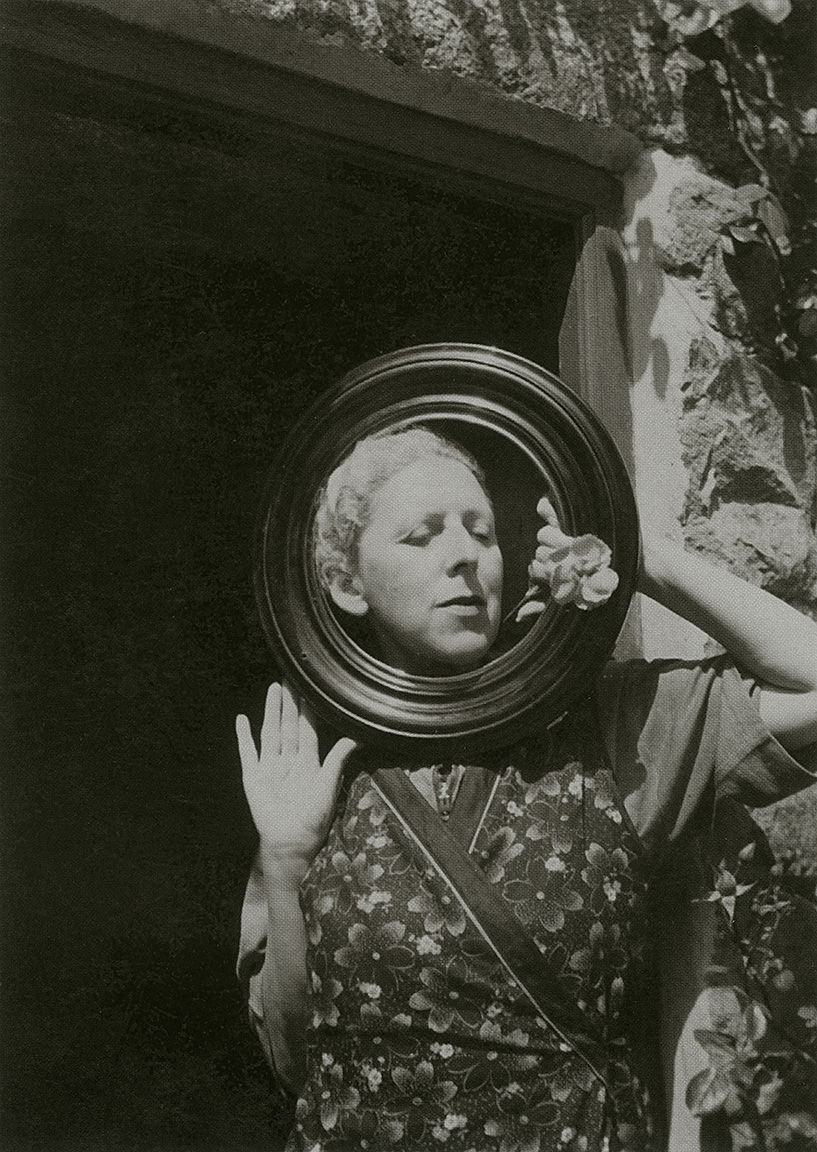
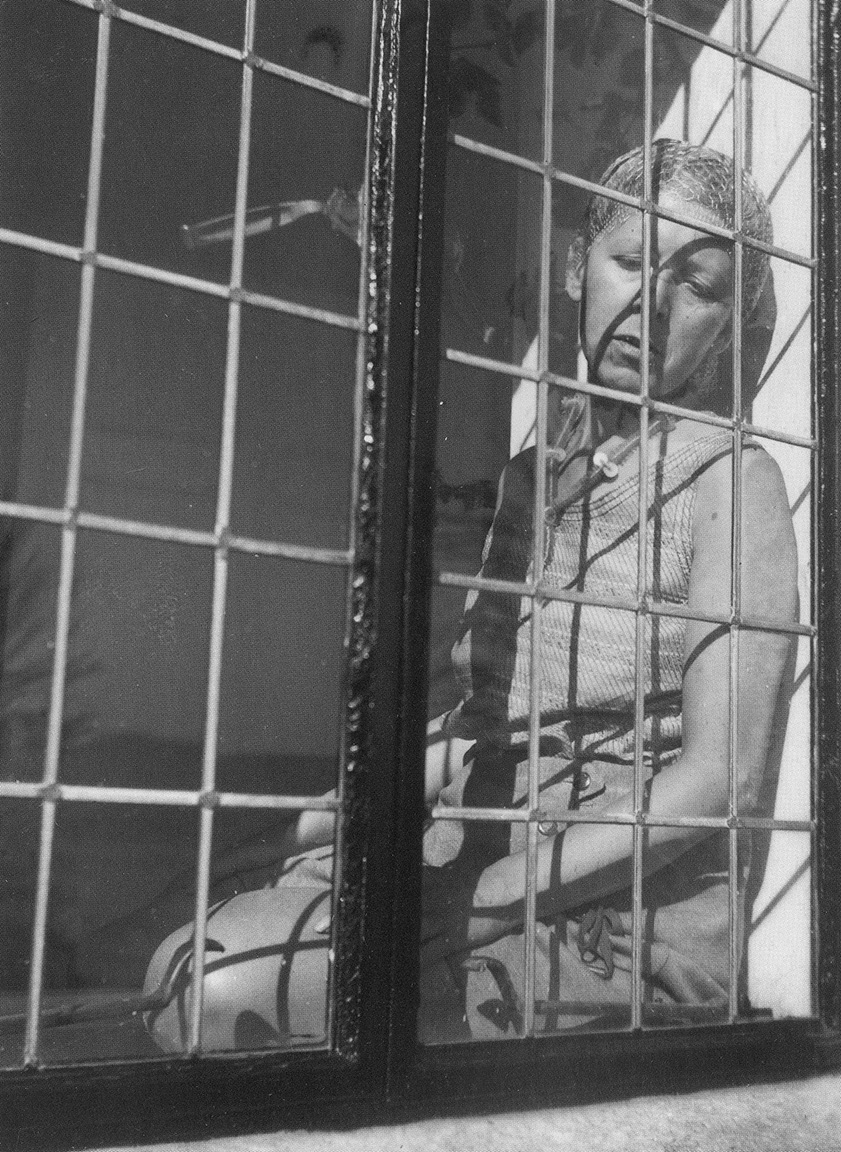
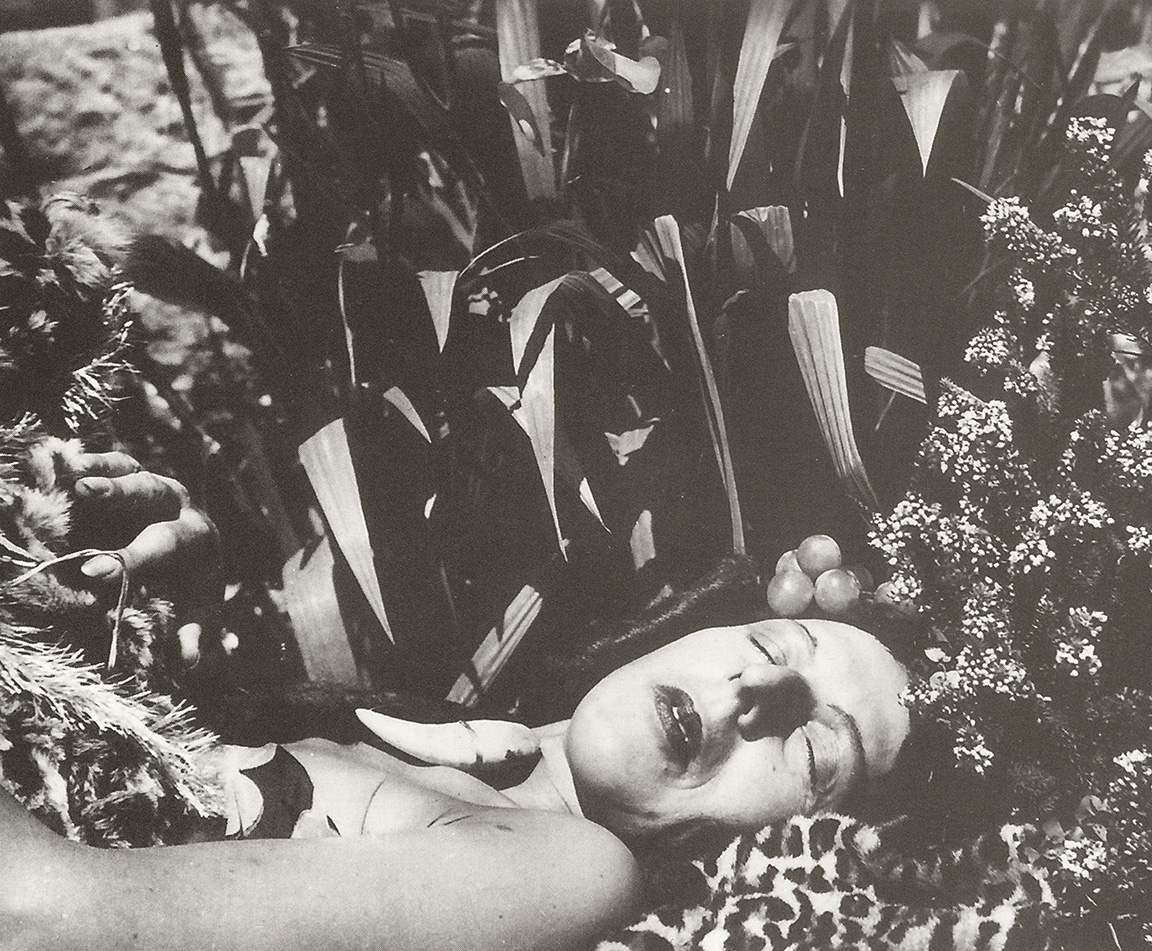

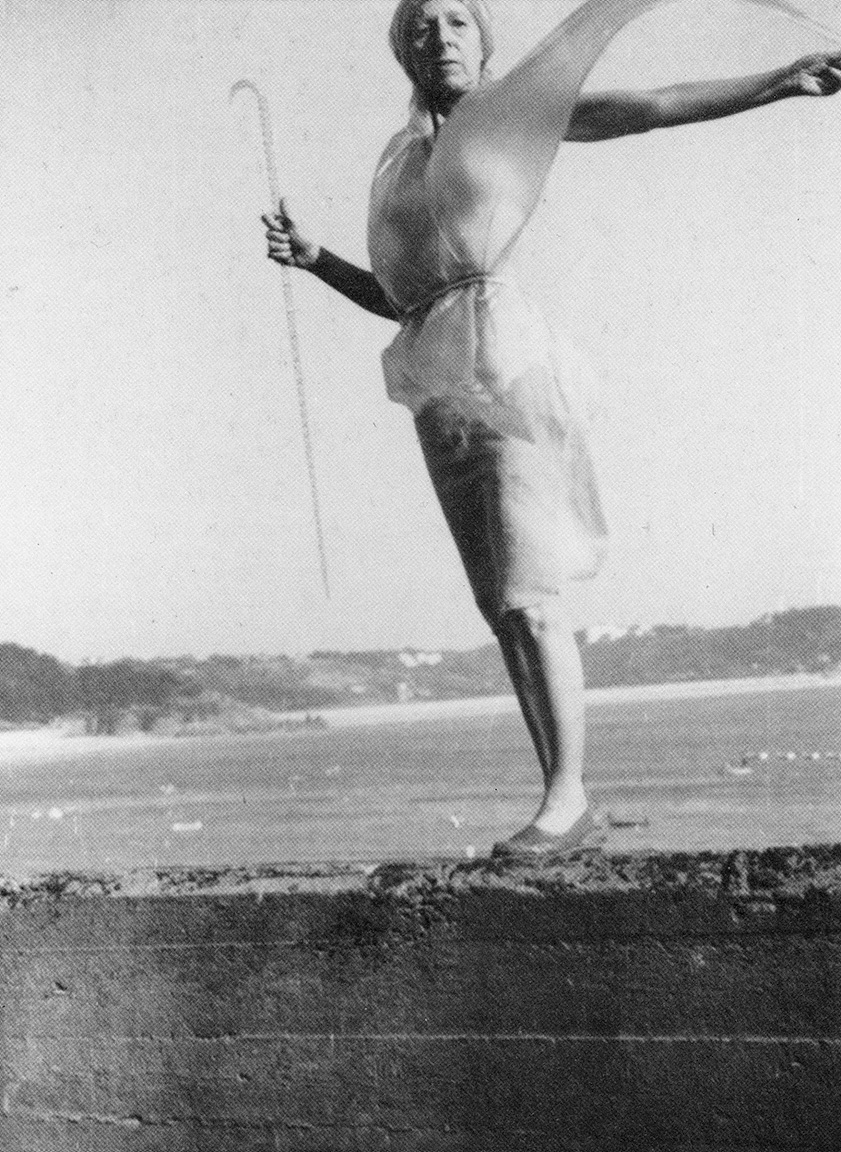
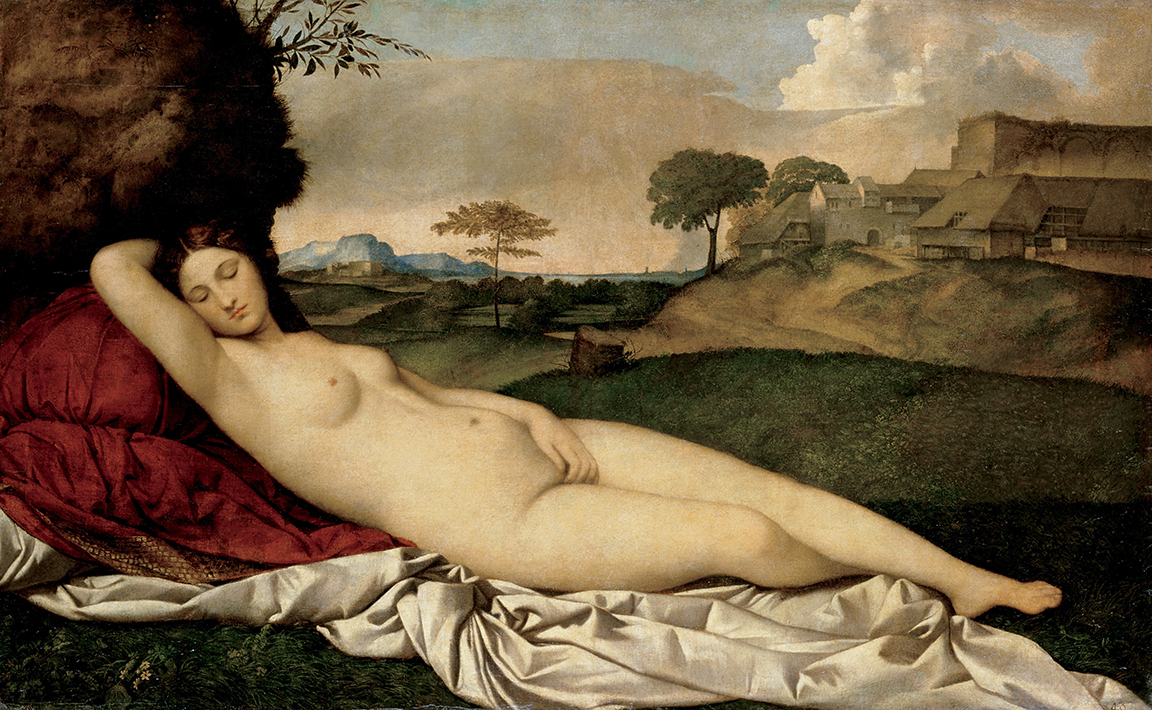

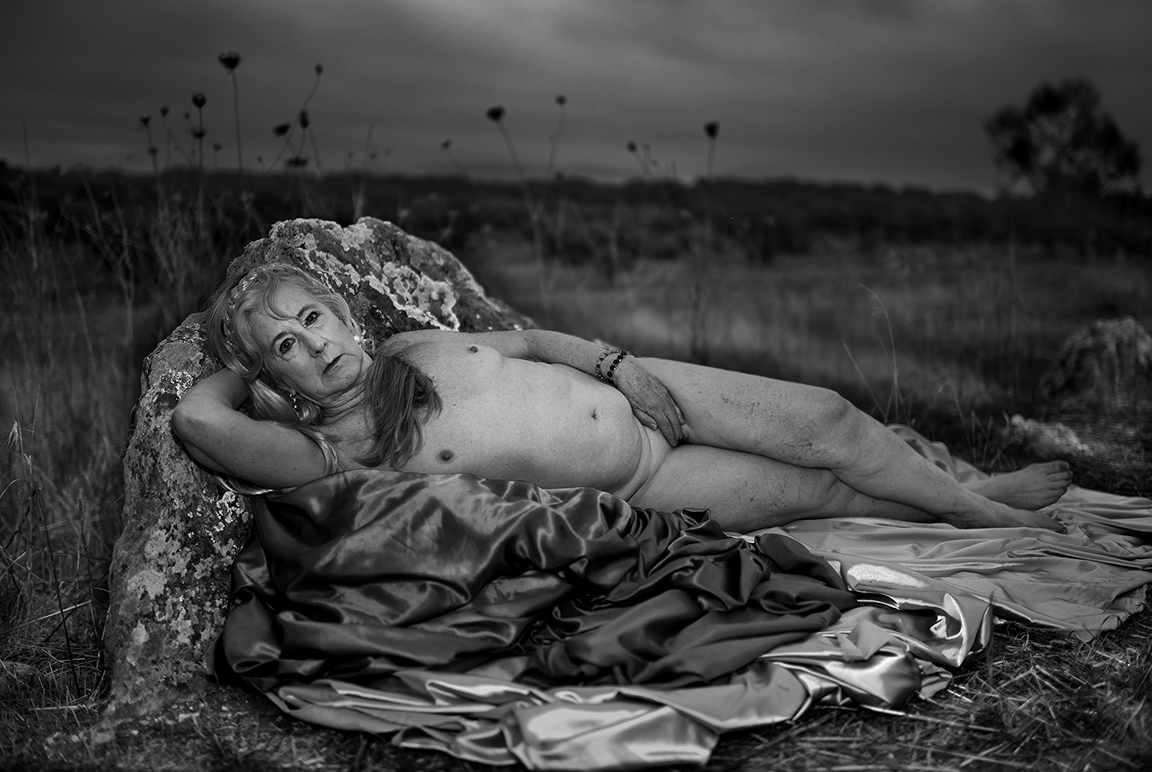


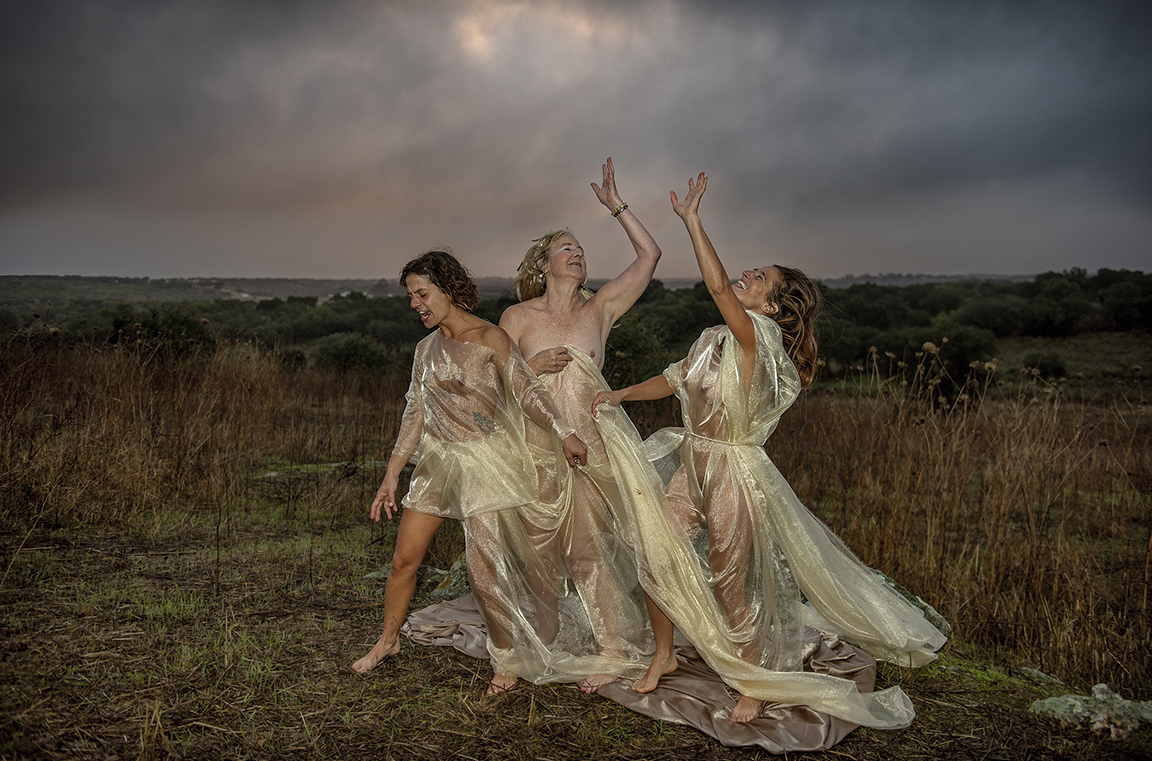


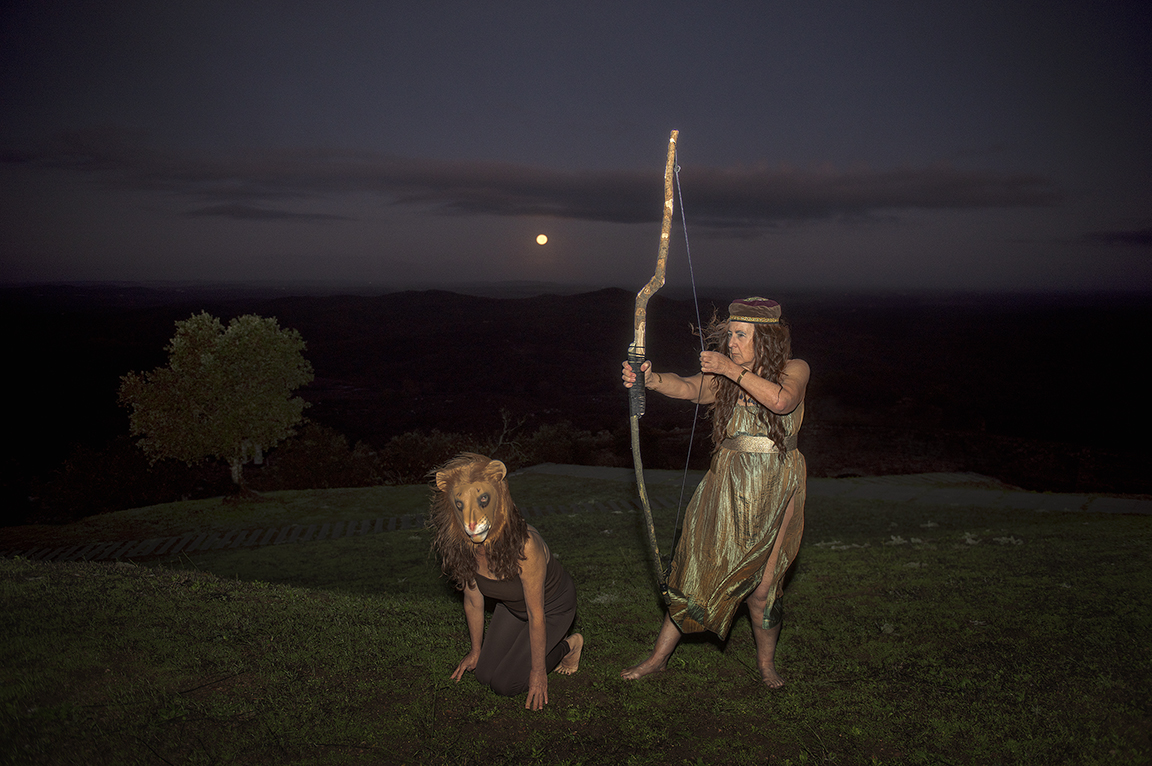


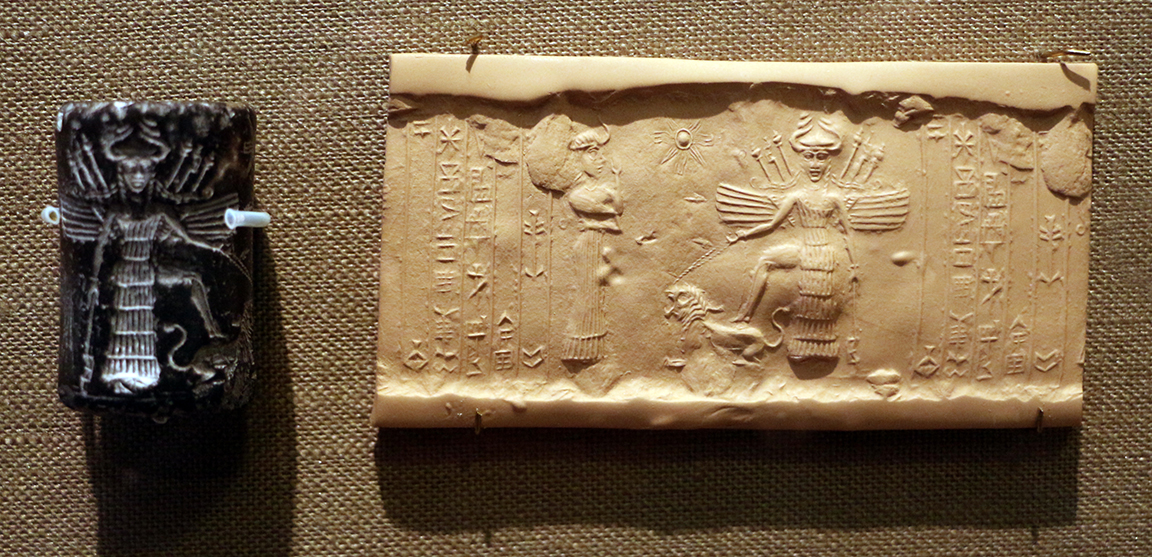


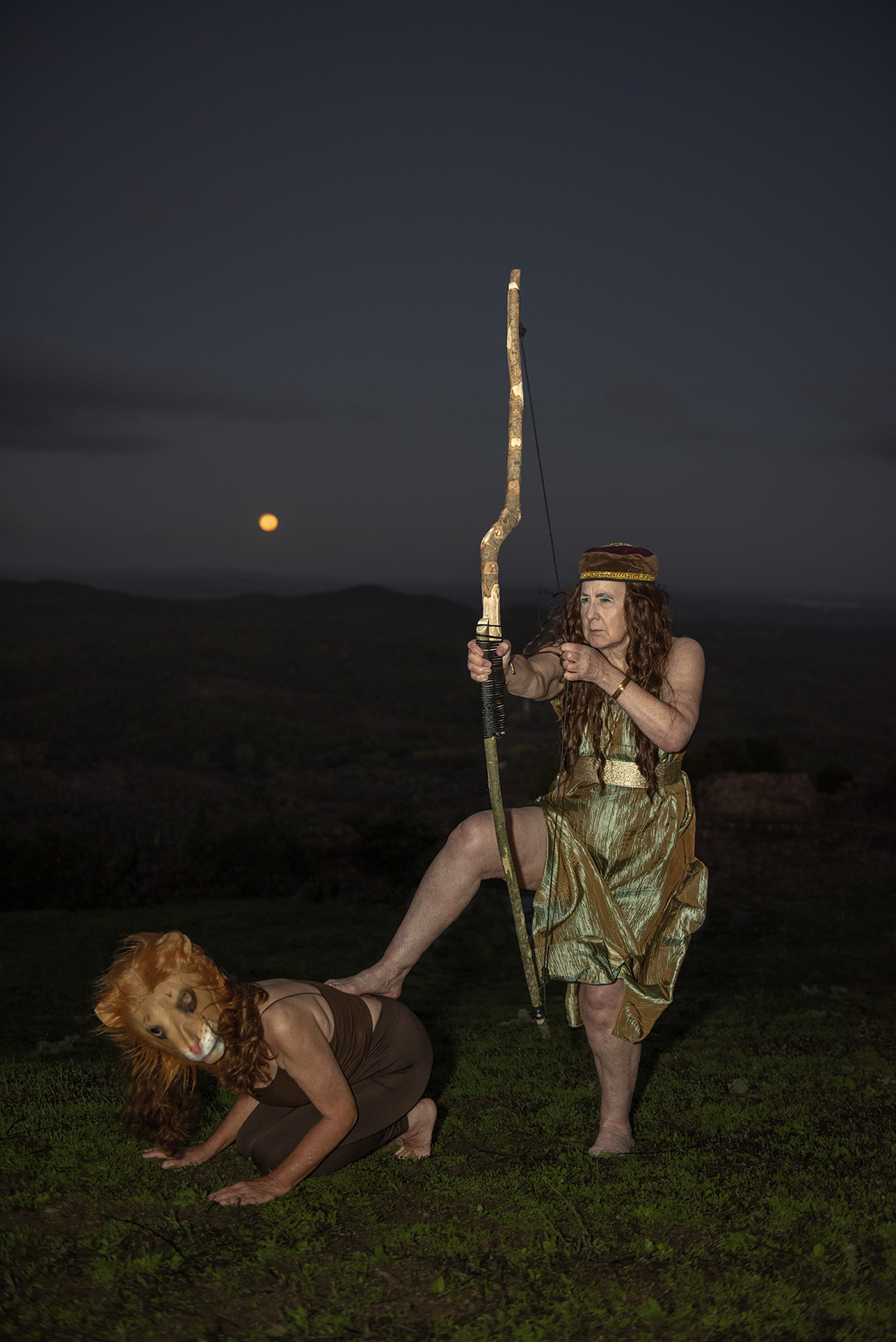
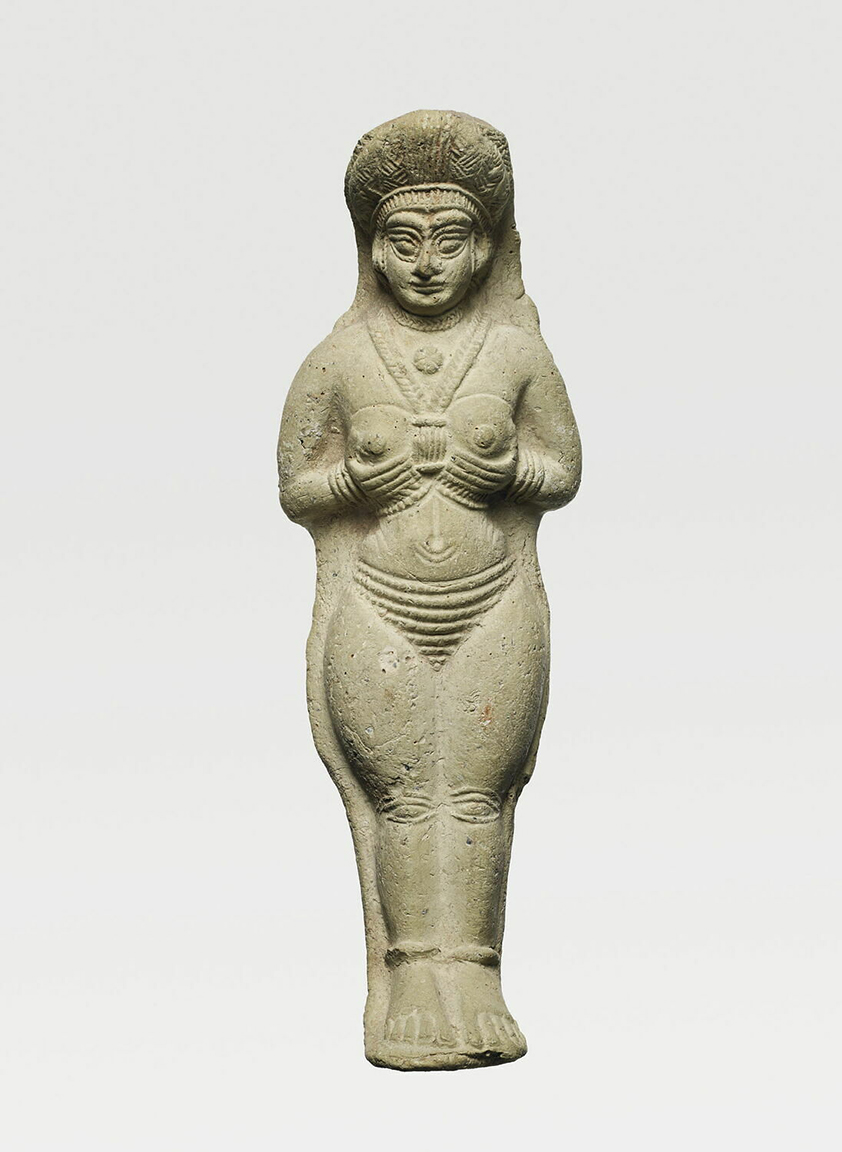


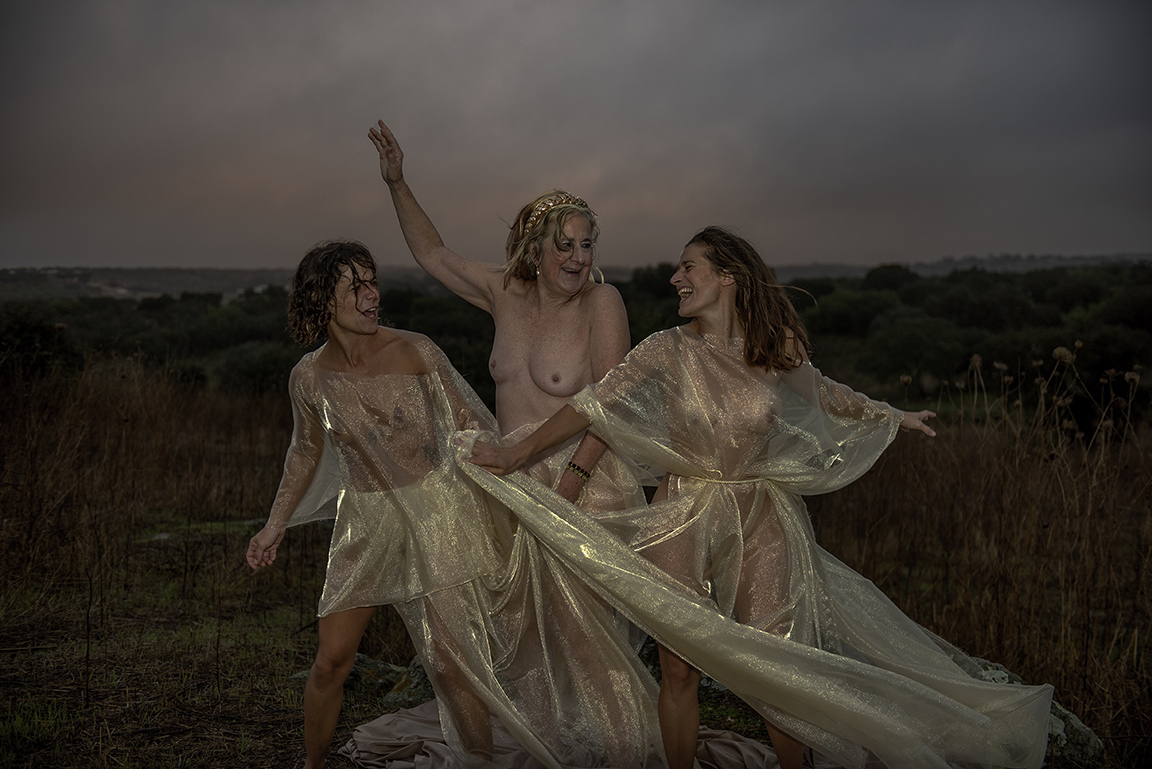

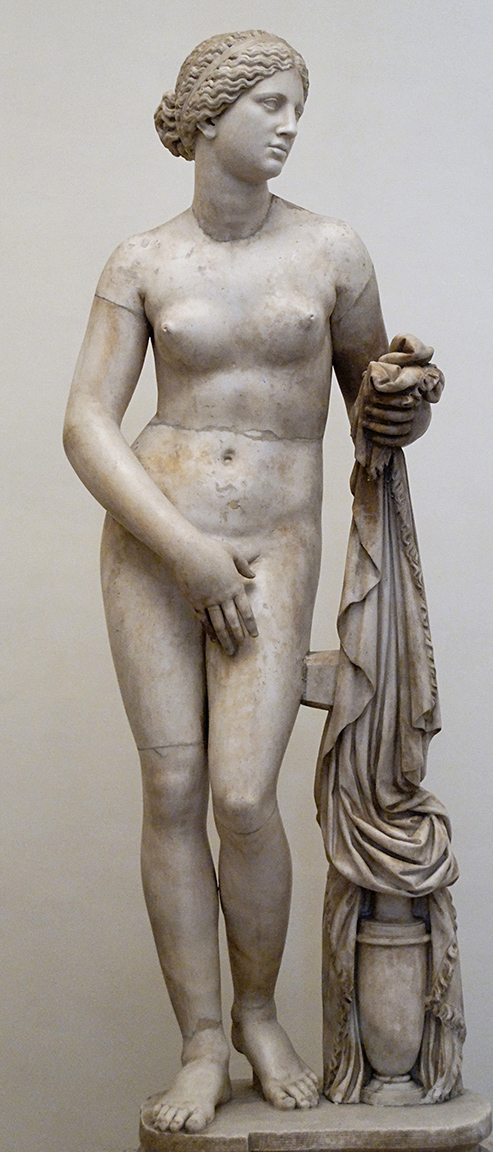
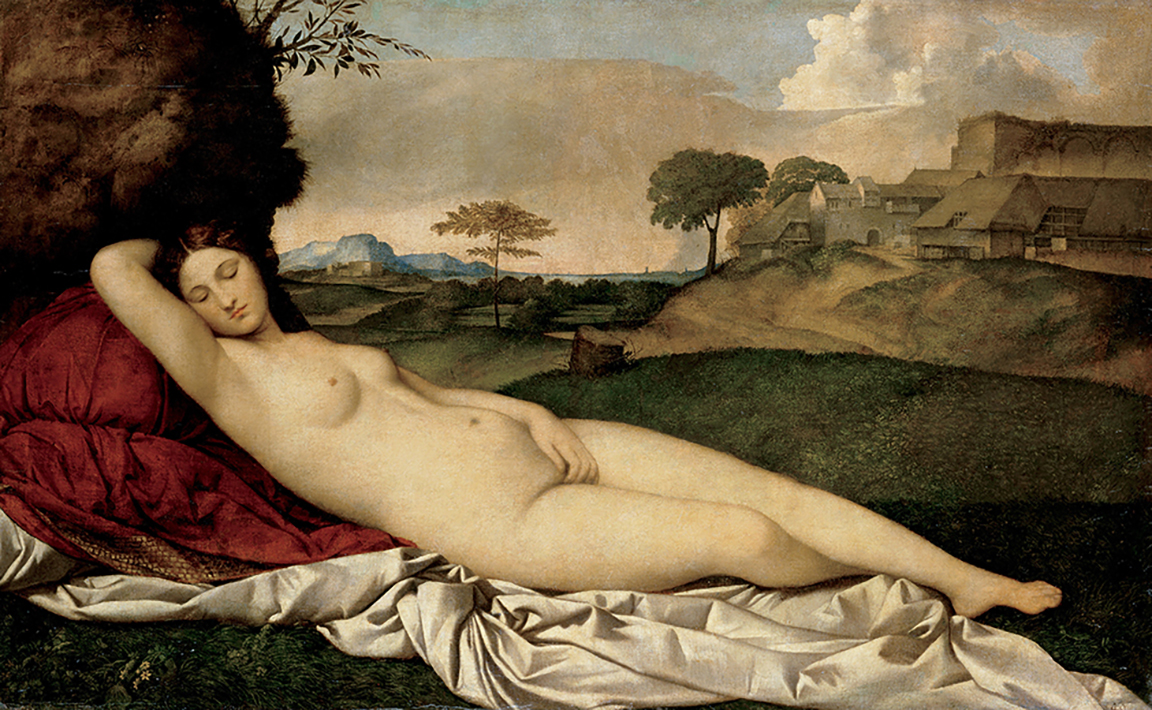


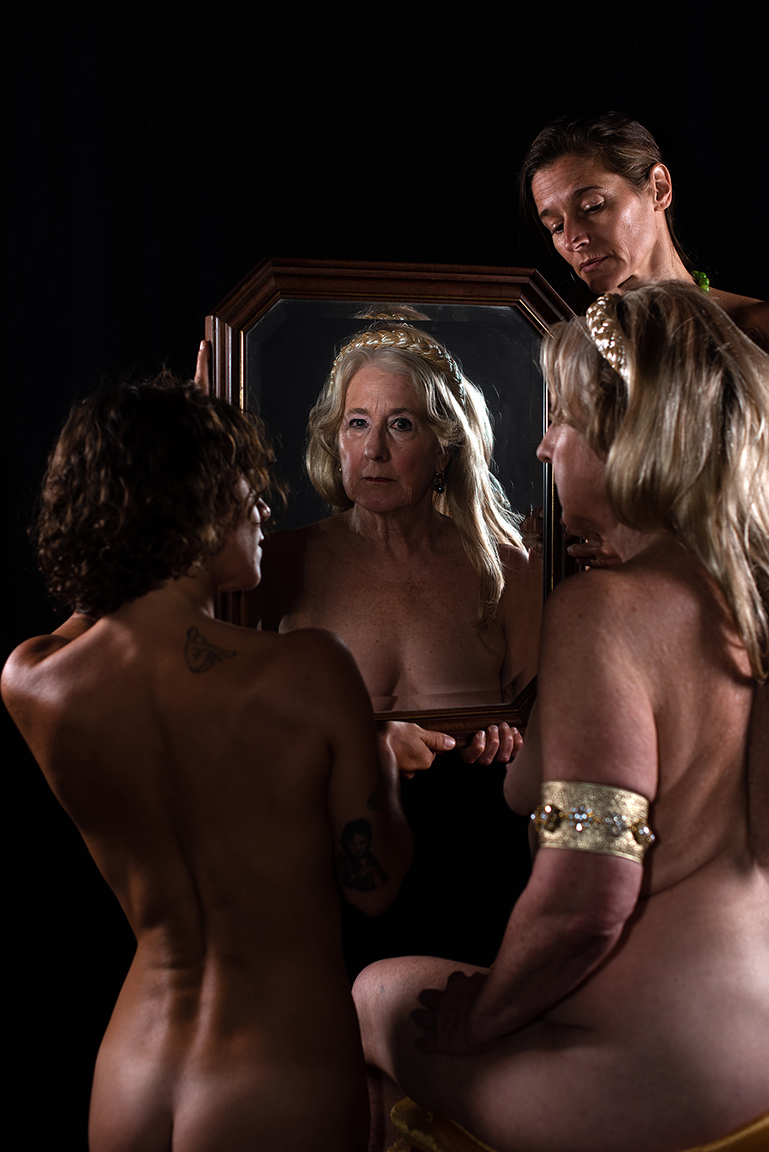
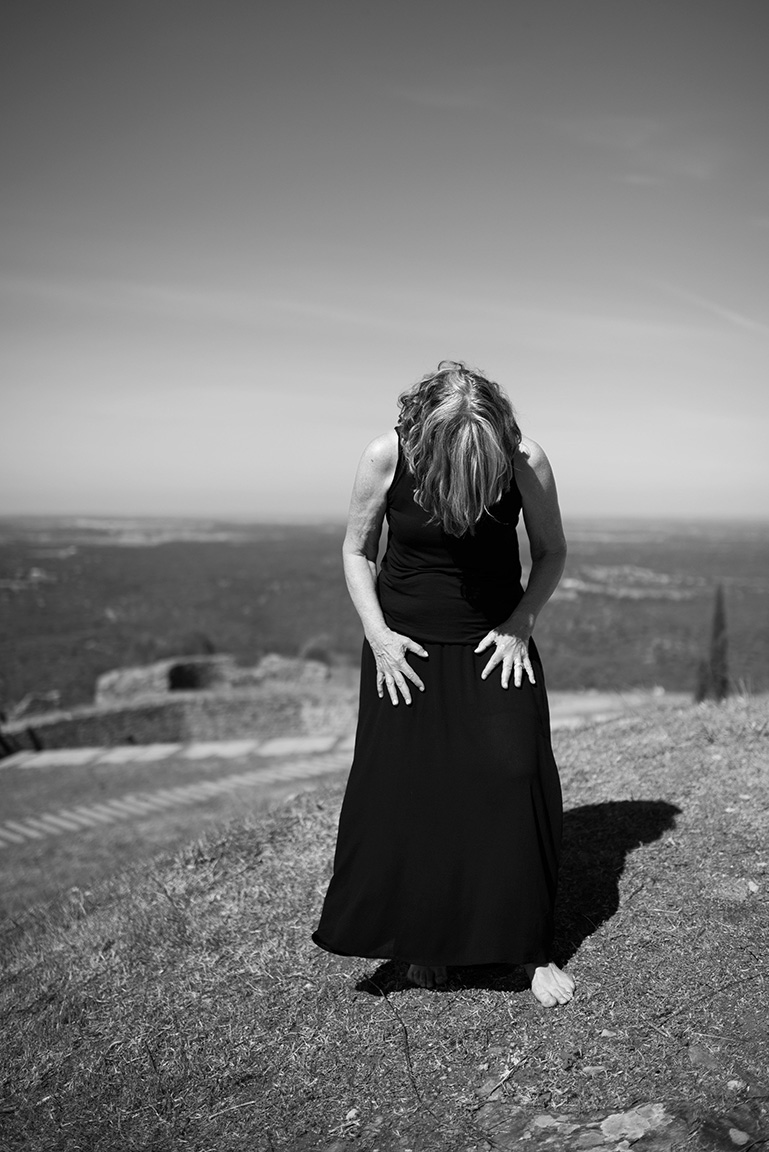
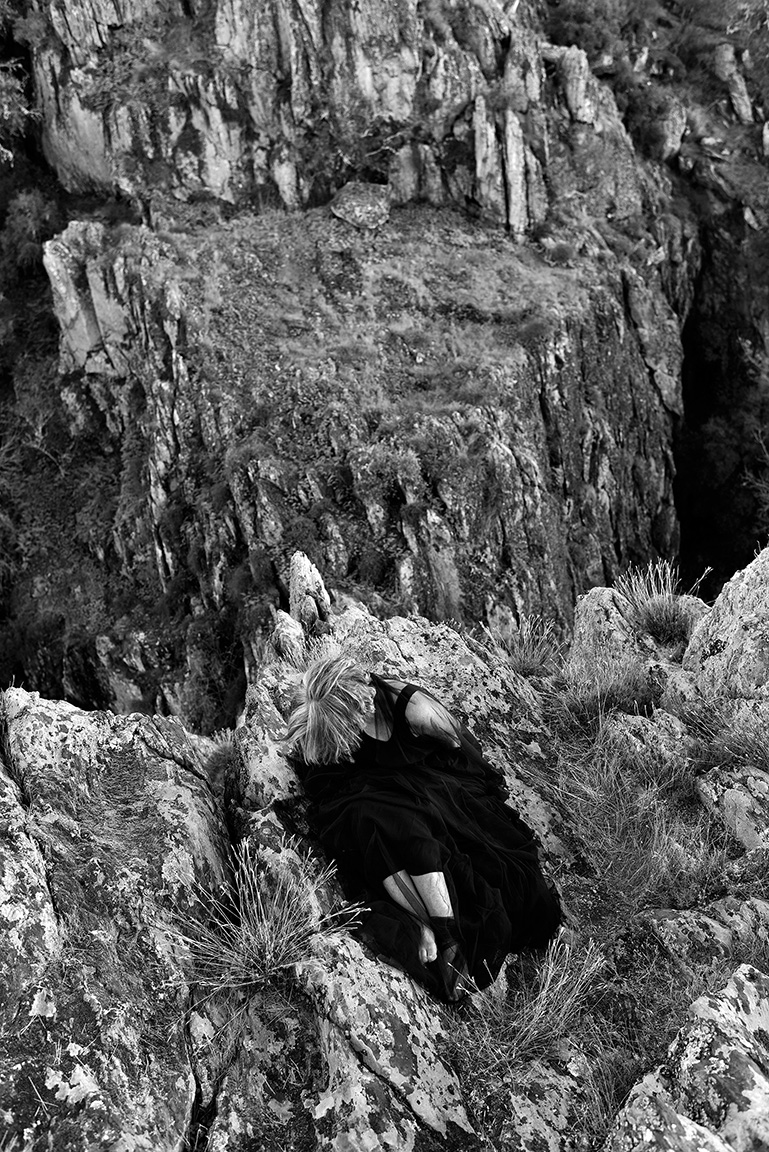


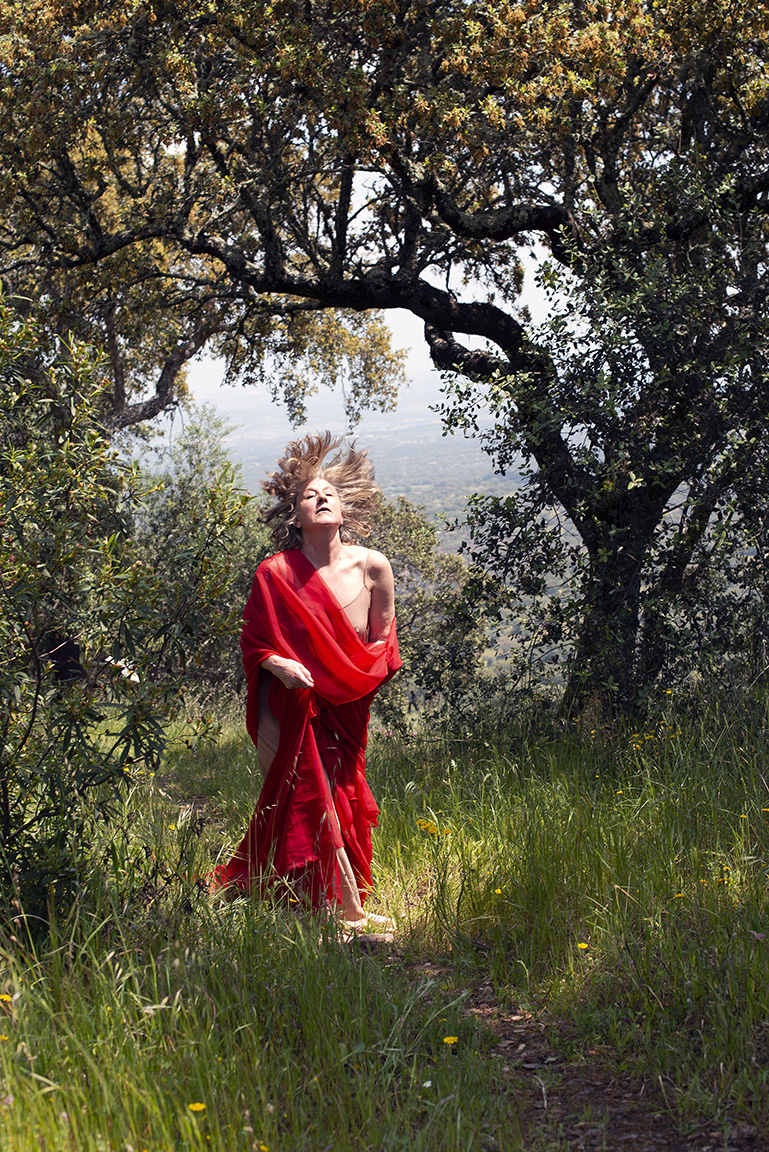
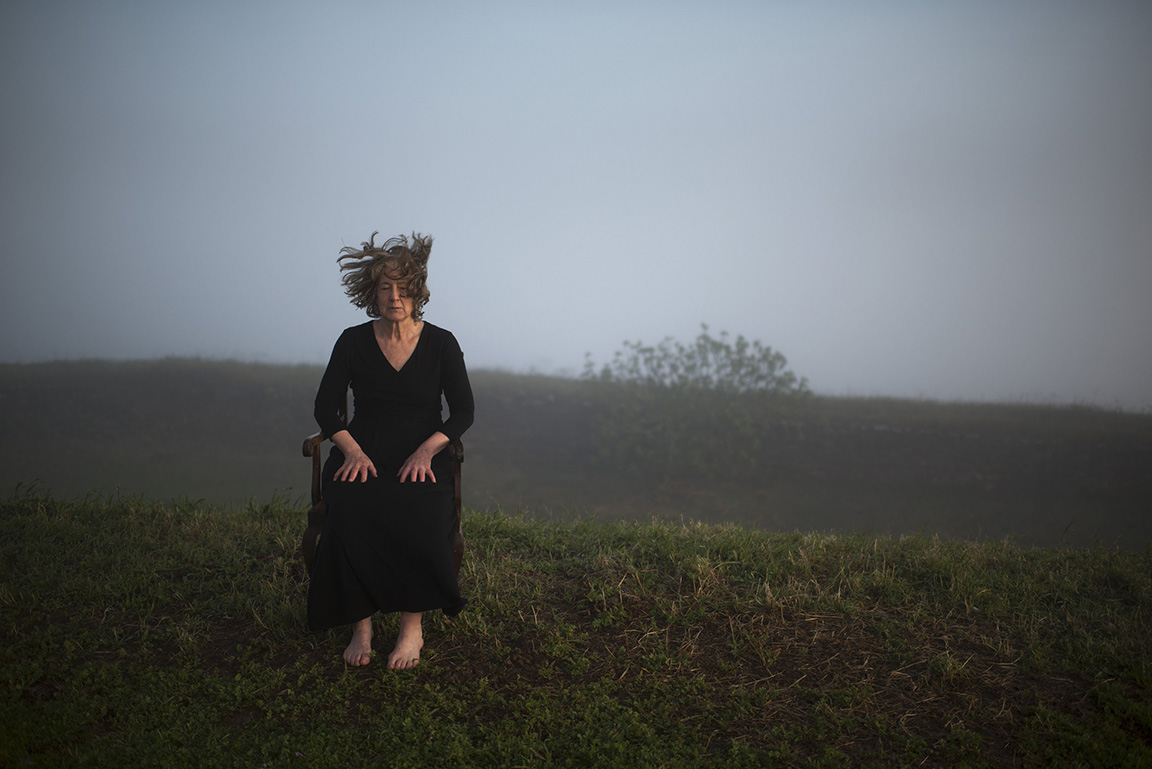

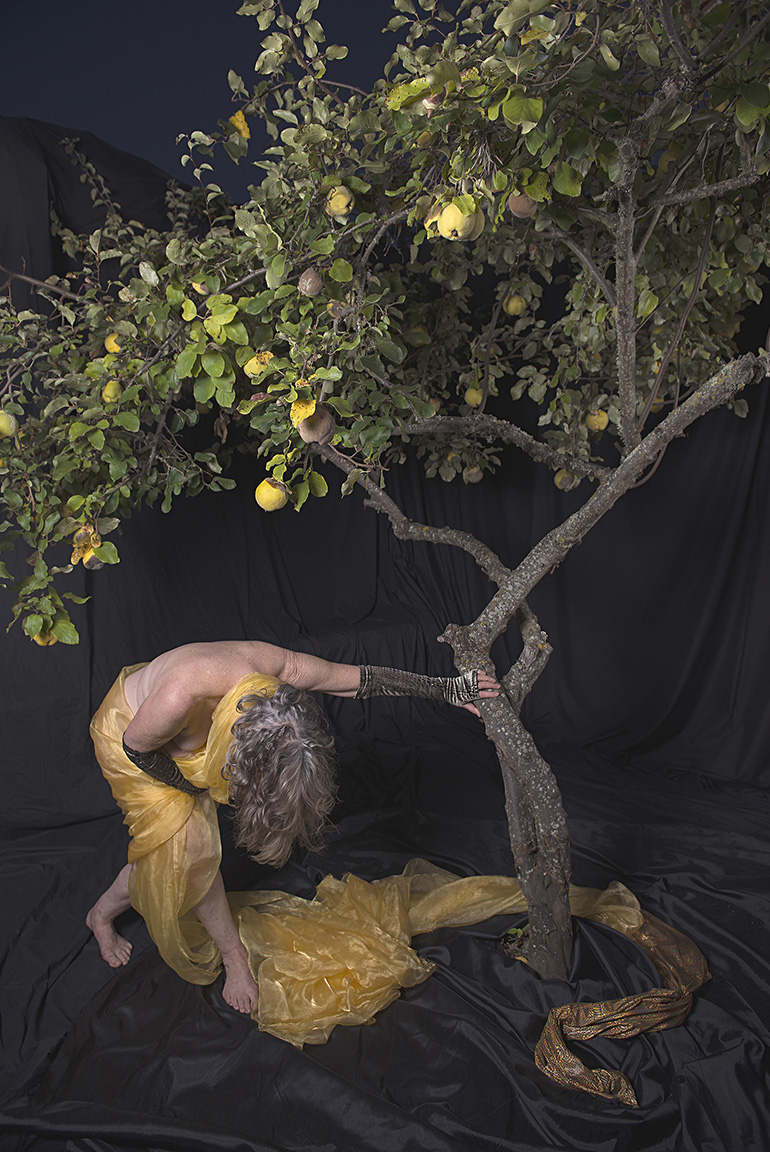
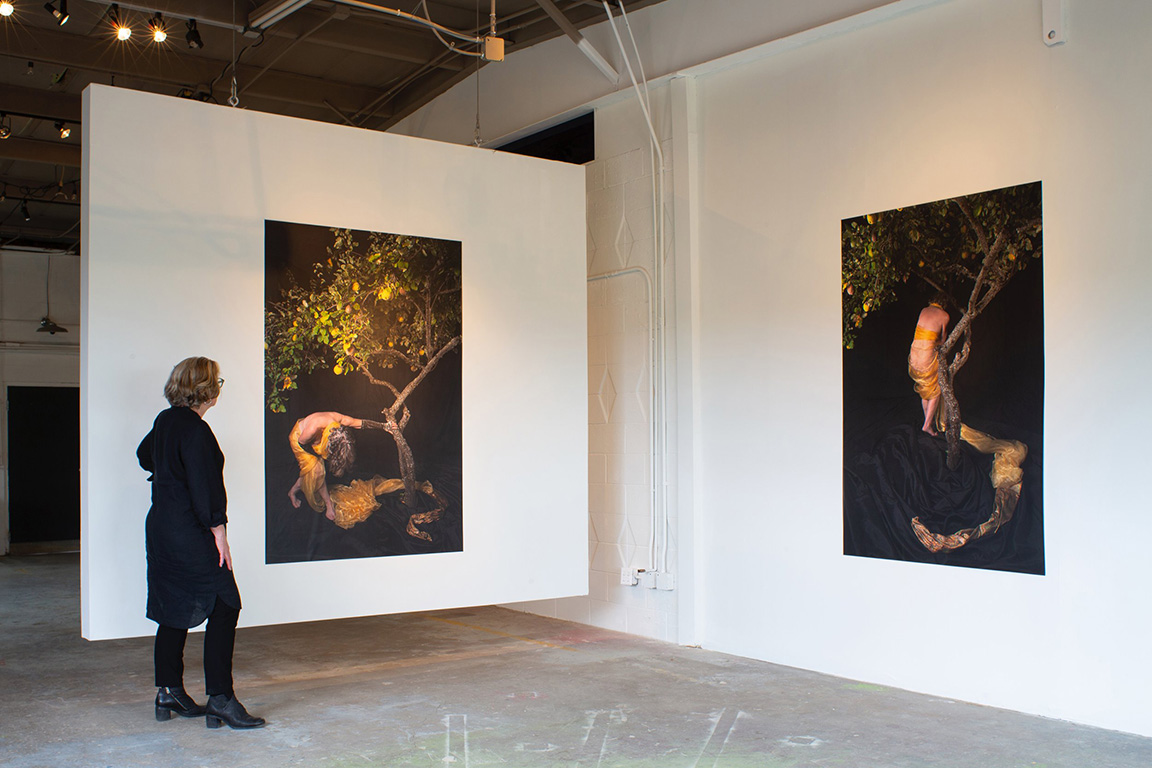


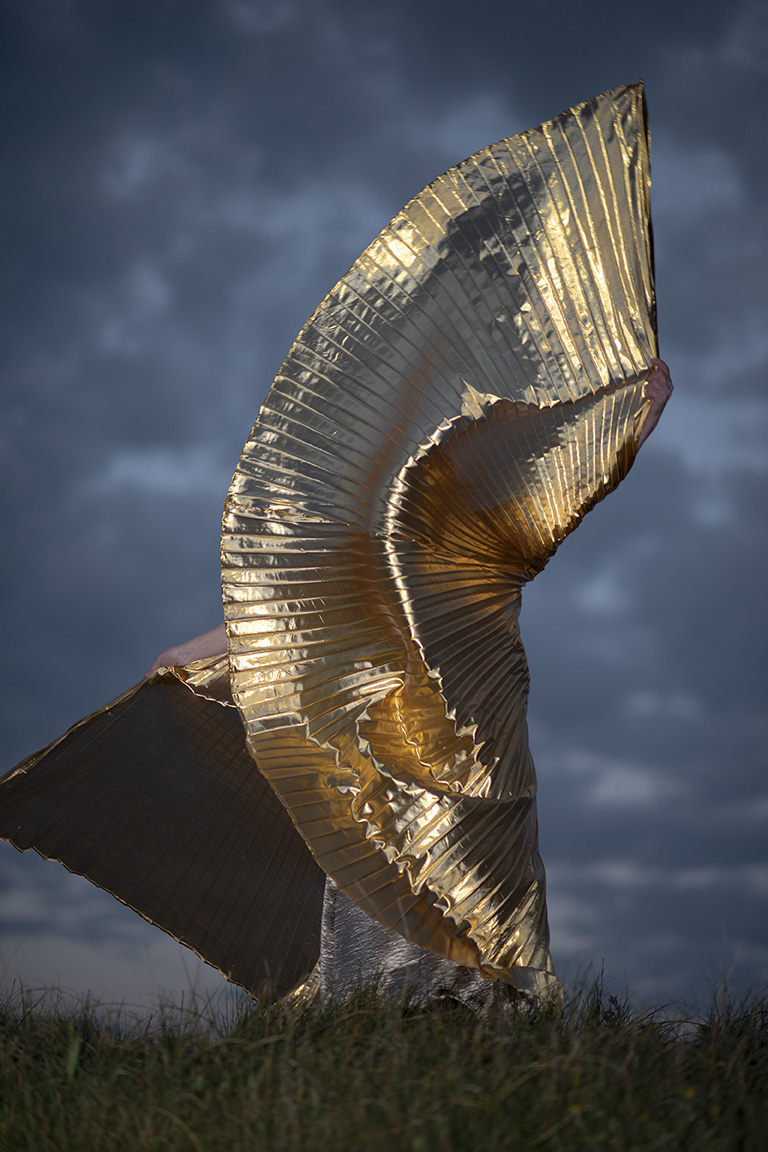

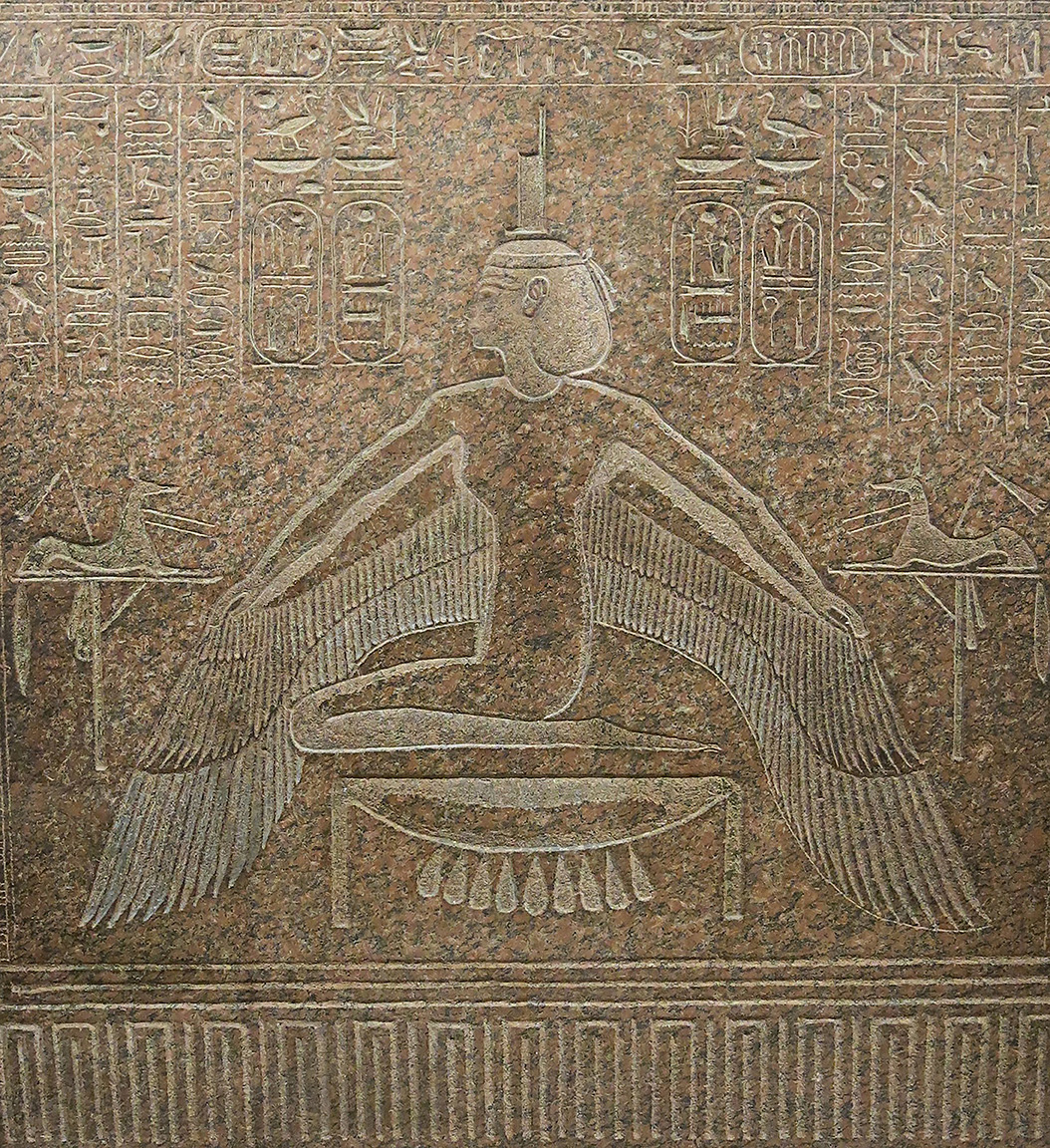
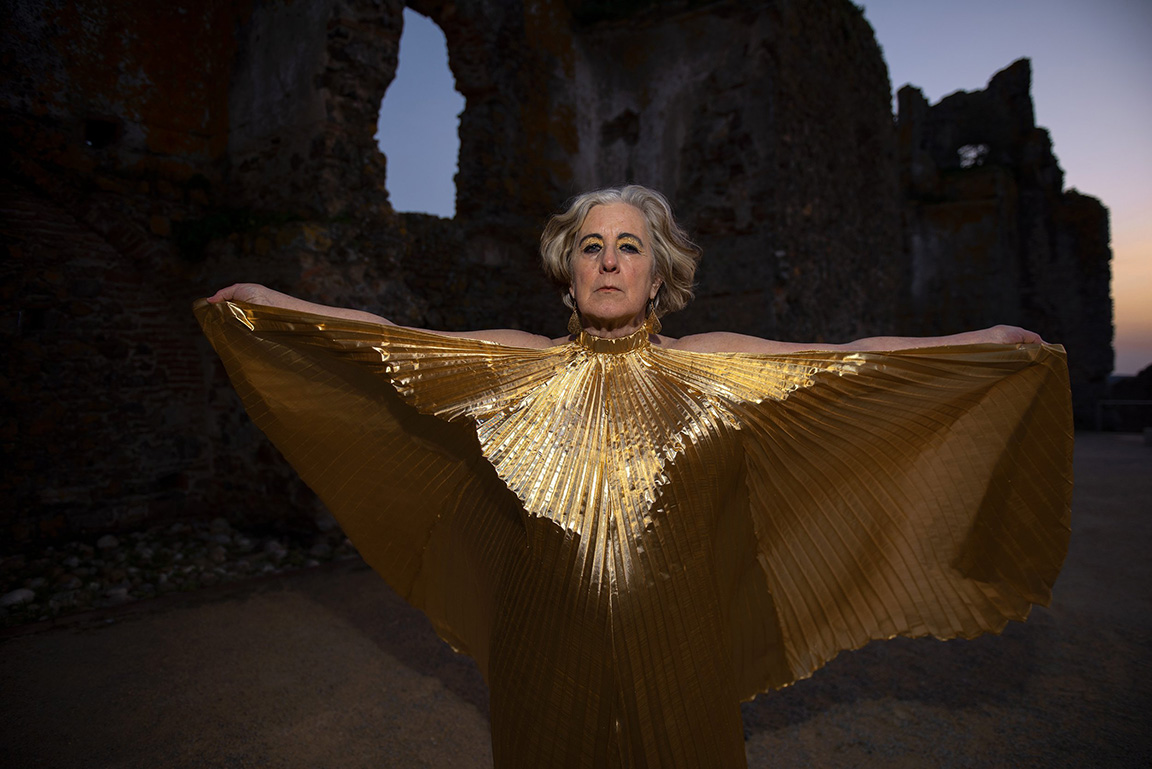
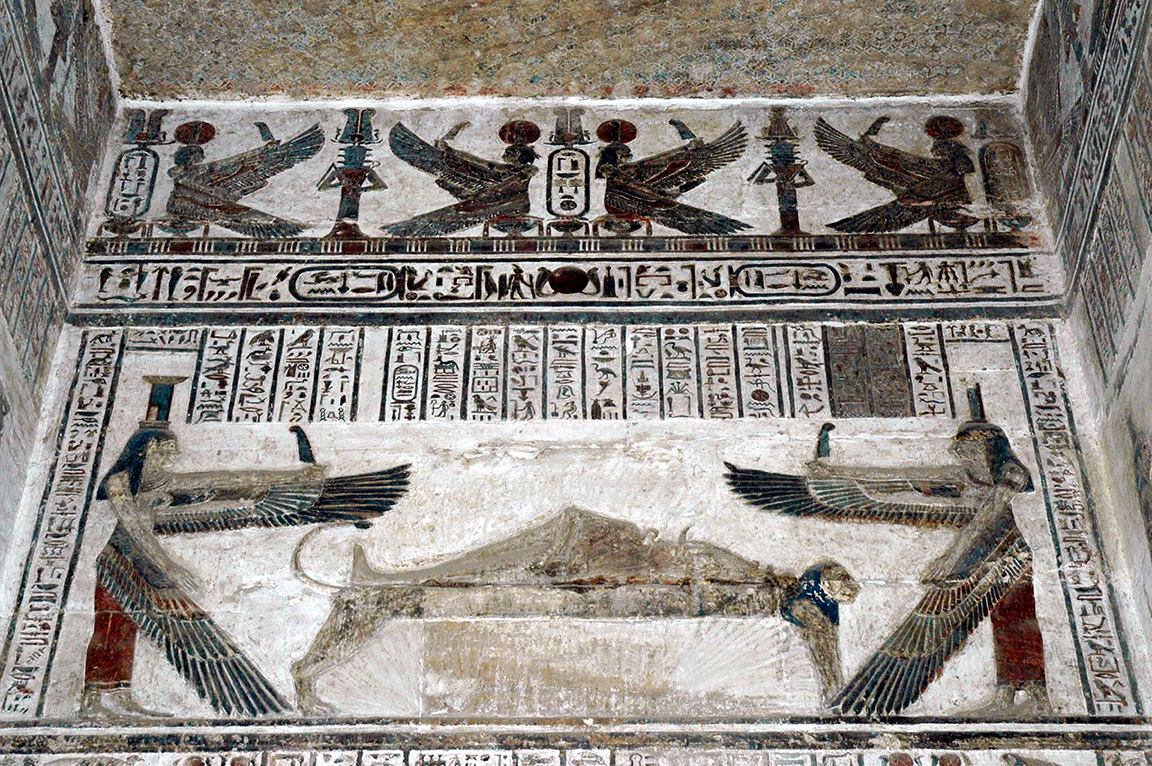
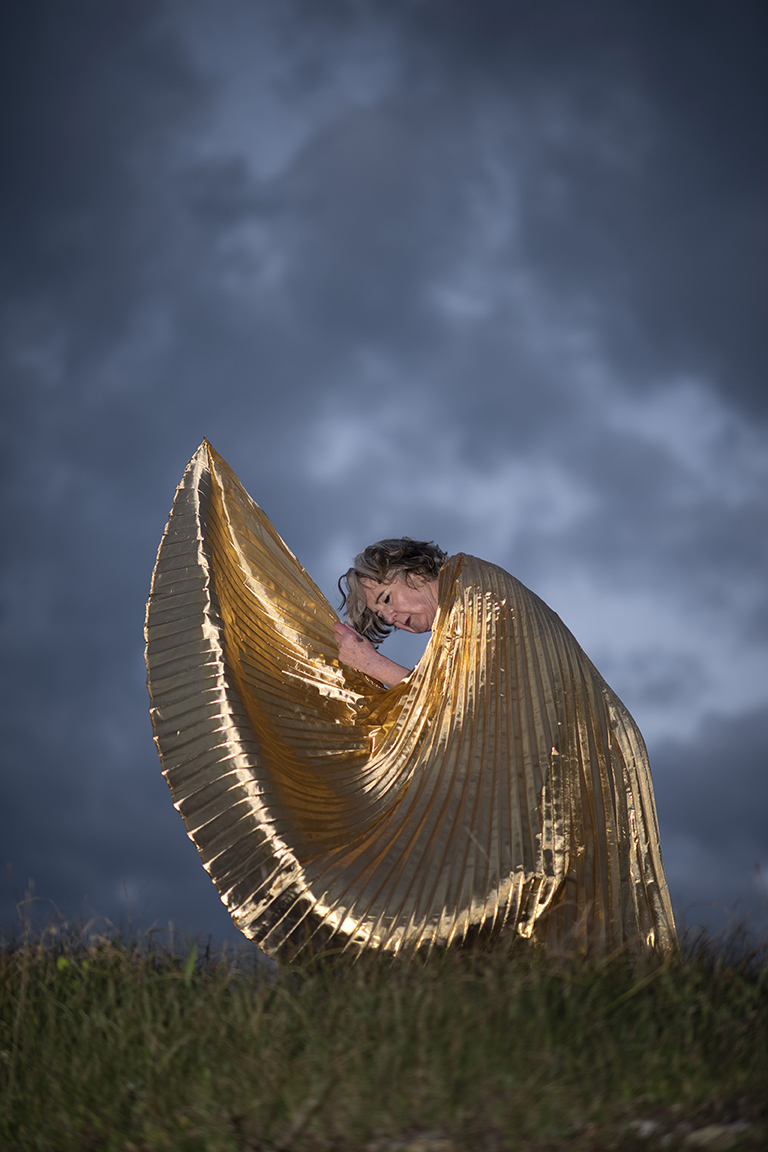


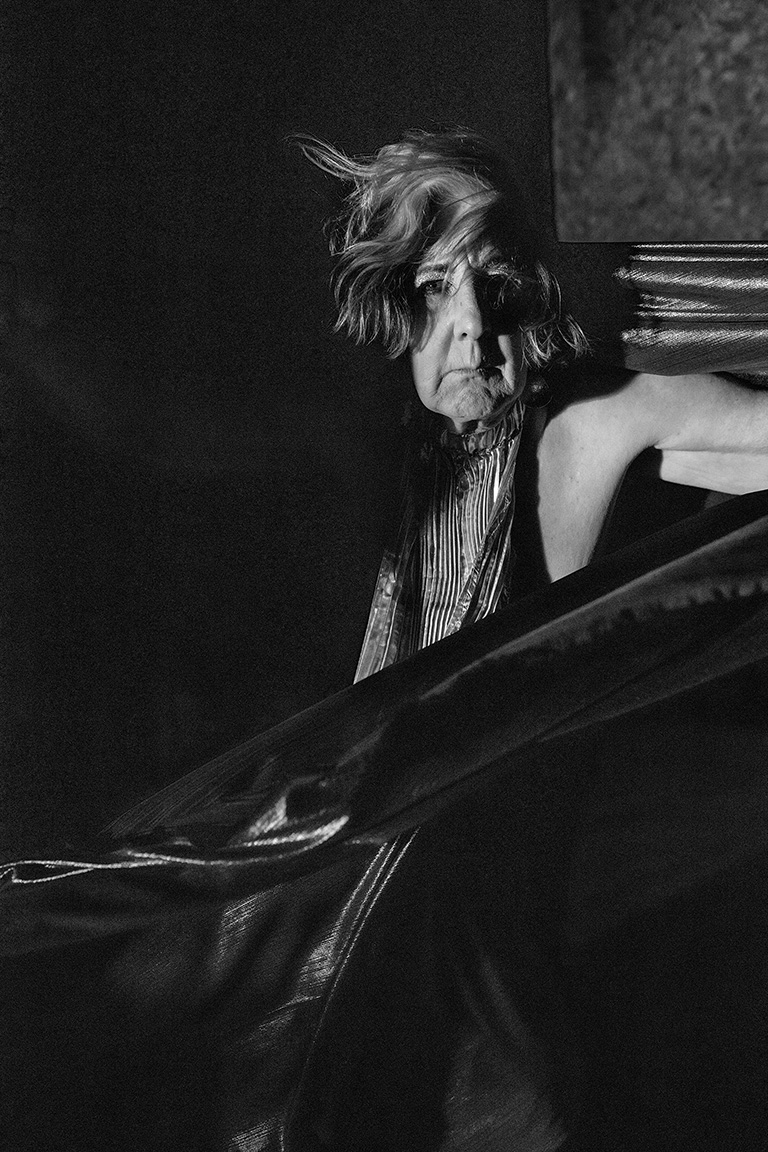
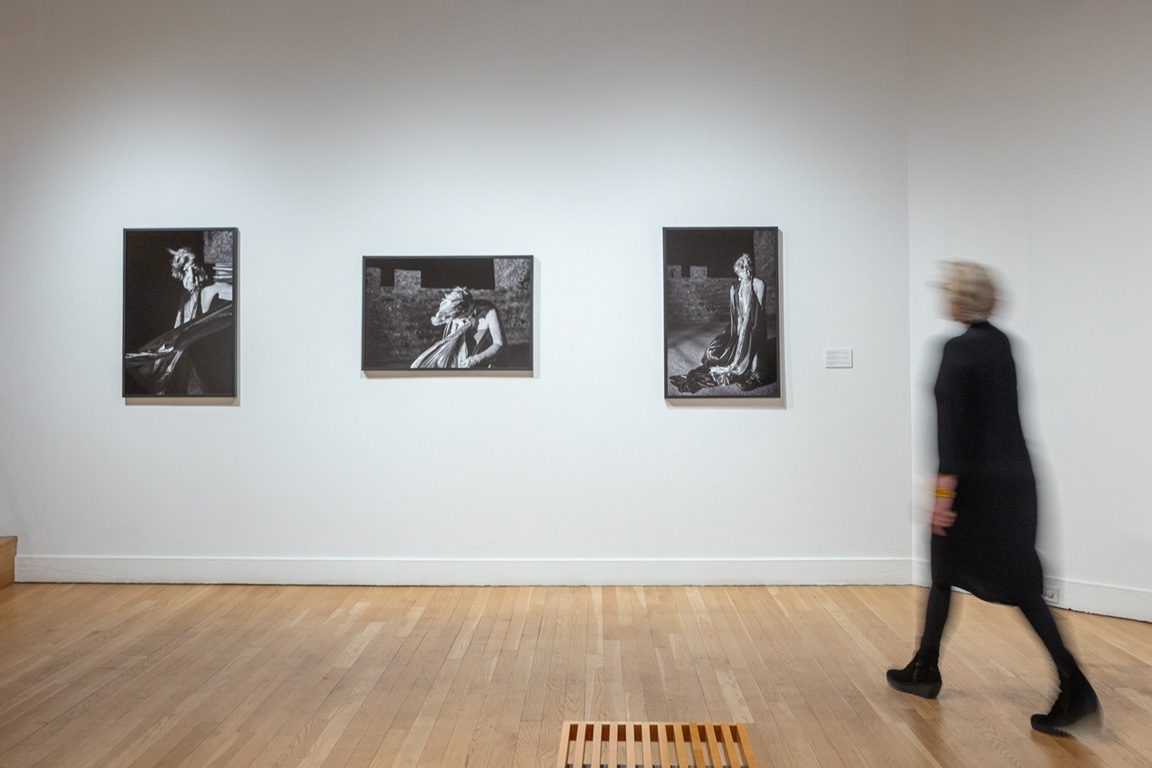
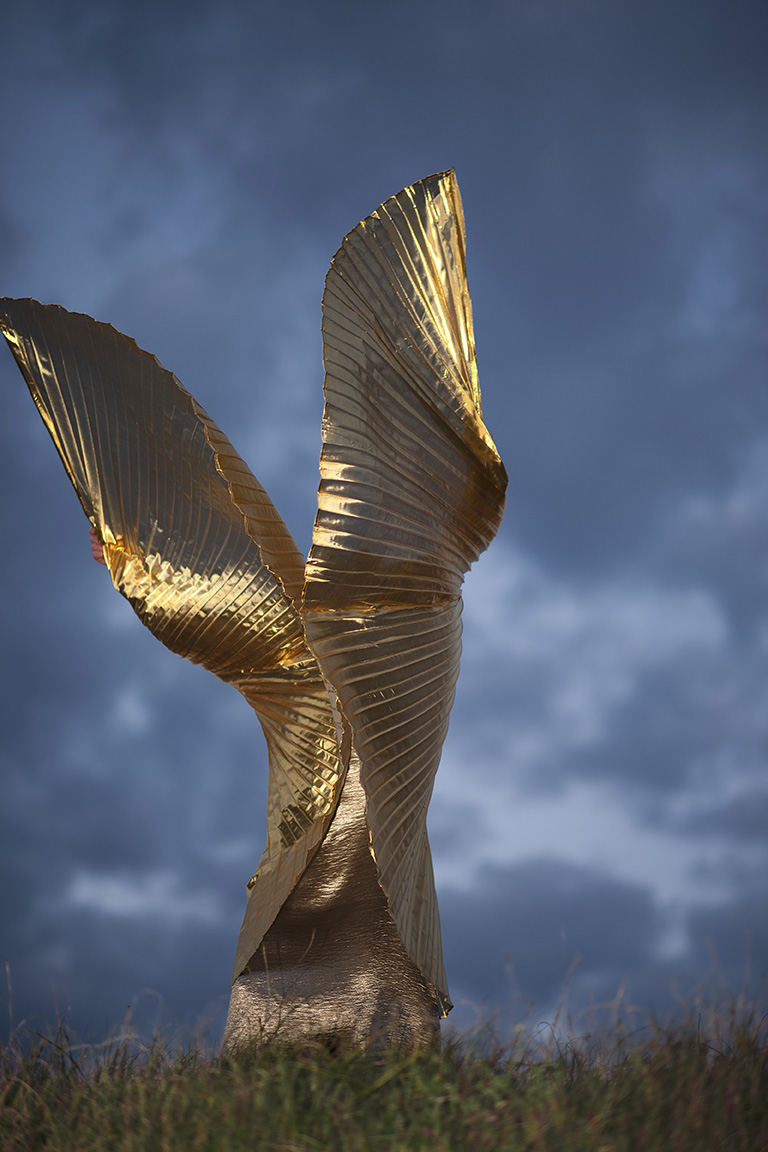


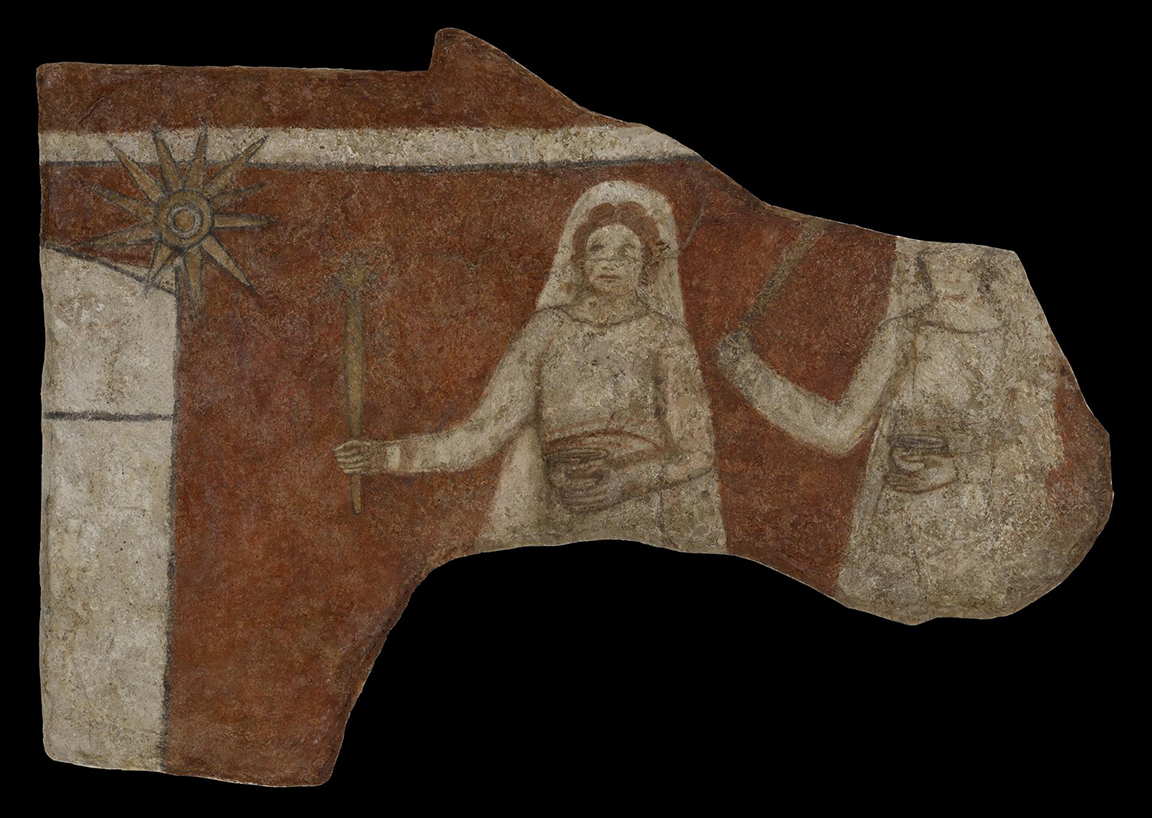


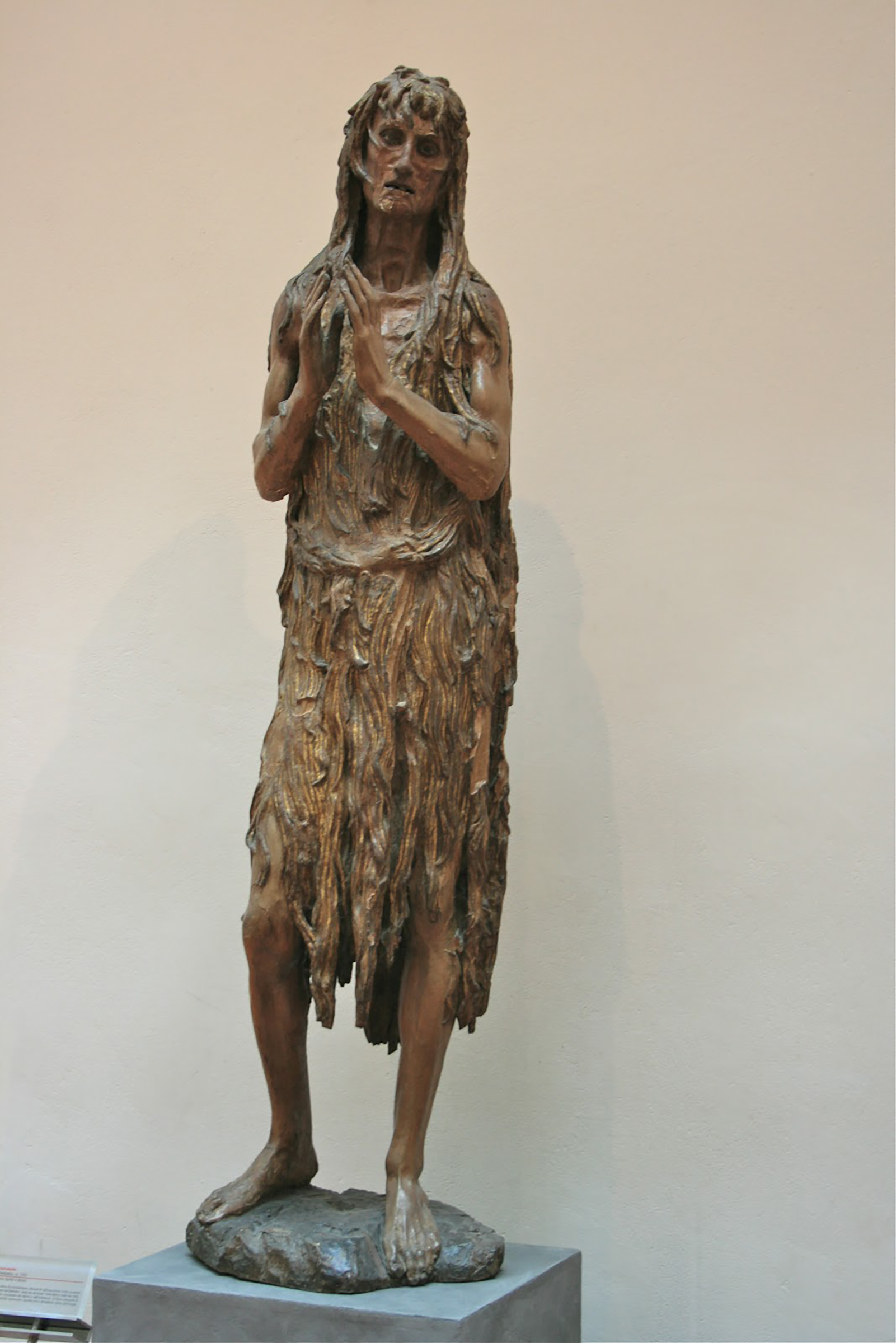

 sherrywigginsblog